


How to Ensure Safe Food Storage and Handling in Warehouse

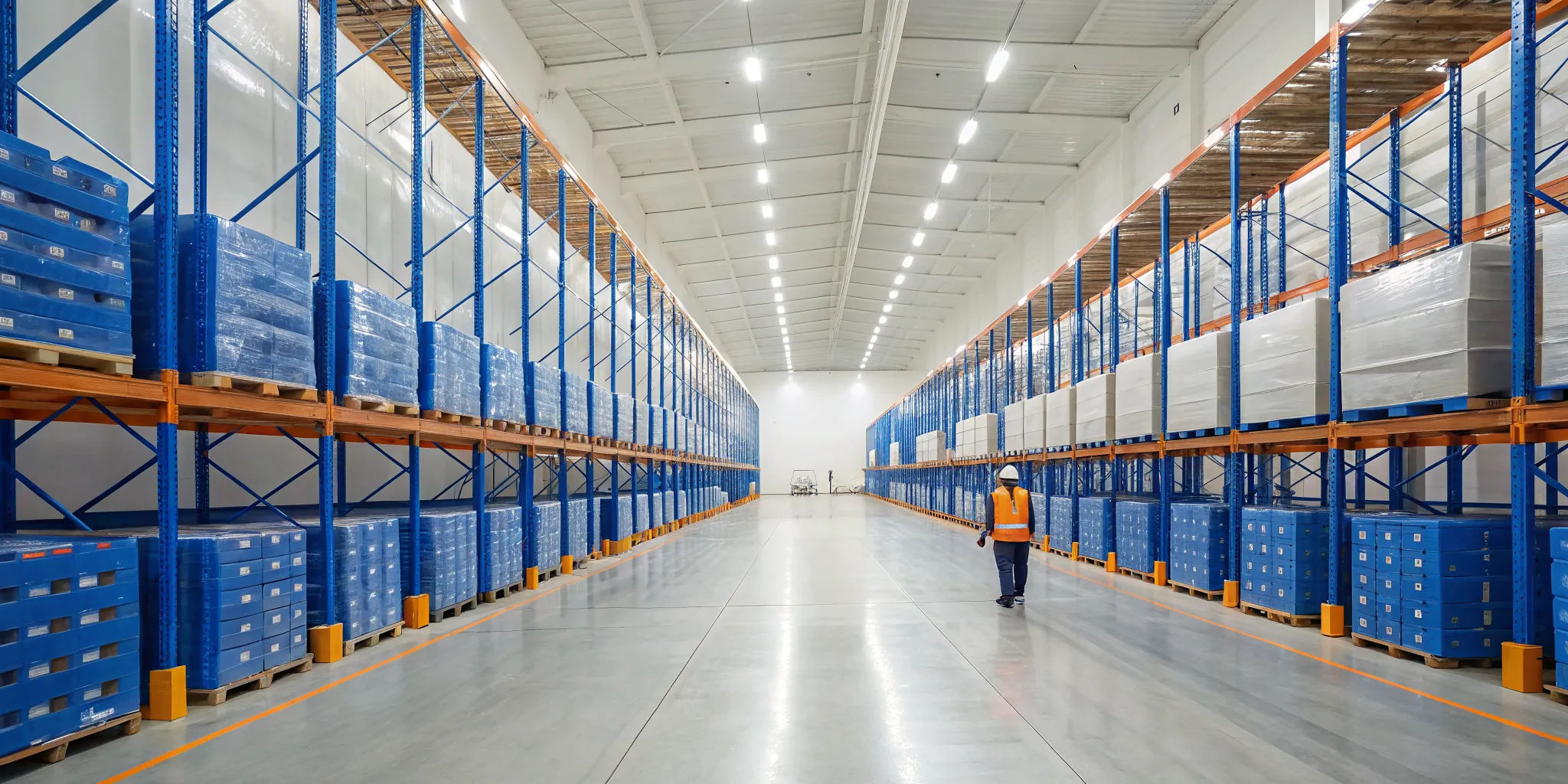
Handling sensitive products like spices and powders requires a specialized approach to food safety. Unlike canned goods or frozen items, these products face unique risks from humidity, airborne particles, and potential allergen cross-contact. A simple mistake can lead to clumping, loss of potency, or worse, a serious safety issue for a consumer. For these items, the principles of safe food storage and handling in warehouse operations are even more critical. This guide explores the core tenets of food safety through the specific lens of handling dry goods, covering everything from humidity control and allergen separation to proper packaging and assembly. We’ll give you the insights needed to protect your products and ensure they arrive perfectly.
Key Takeaways
- Build a Foundation of Documentation: Your food safety program is only as strong as your records. Maintain detailed logs for cleaning, temperature checks, pest control, and employee training to prove compliance and create a system of accountability.
- Control Your Warehouse Environment: Product safety depends on strict environmental control. This means creating specific zones for temperature and humidity, physically separating raw foods from ready-to-eat items, and keeping allergens and chemicals isolated to prevent cross-contamination.
- Invest in Your People and Processes: A well-trained team is your most valuable asset. Implement ongoing training for hygiene and safe handling, and establish clear, repeatable processes like FIFO inventory management to reduce human error and protect your products.
Your Guide to FDA and FSMA Warehouse Regulations
When you’re in the business of food, safety isn’t just a buzzword; it’s the foundation of your brand’s reputation. Getting your products from production to your customers’ hands involves a lot of moving parts, and keeping everything safe and compliant along the way is a big deal. The U.S. Food and Drug Administration (FDA) sets the rules of the road for this. Understanding the key regulations, like the Food Safety Modernization Act (FSMA) and Current Good Manufacturing Practices (cGMPs), is the first step to ensuring your products are stored and handled correctly.
What Does the FDA Require for Food Storage?
The FDA has a clear mission: to make sure food stored in warehouses is safe for everyone. Their rules cover everything from the physical structure of a warehouse to how food is handled inside. For starters, any facility that stores food must register with the FDA to get an FDA Establishment Identifier (FEI) number, which needs to be renewed each year. Beyond registration, cleanliness is a top priority. All surfaces that come into contact with food, including storage systems and equipment, must be regularly cleaned and sanitized to prevent contamination. This ensures your warehousing partner is meeting the highest standards for safety.
How Does FSMA Impact Warehouse Operations?
The Food Safety Modernization Act, or FSMA, represents a major shift in how the FDA approaches food safety. Instead of just reacting to outbreaks, the main goal of FSMA is to prevent foodborne illnesses before they can even start. For warehouse operations, this means implementing proactive safety plans and controls. Following these rules does more than just keep regulators happy. It’s about protecting your customers from getting sick, which is the most important job of all. As a bonus, these practices also help reduce food waste and keep your products fresh and high-quality from the warehouse to the kitchen.
What Are cGMPs for Food Warehouses?
Think of Current Good Manufacturing Practices (cGMPs) as the hands-on rulebook for food safety. These are the specific, practical standards for how food should be produced, processed, and stored to maintain excellent quality. In a warehouse, this translates to clear procedures for everything from cleaning equipment to training staff on proper sanitation. The FDA oversees cGMPs for all kinds of products, but for food, their oversight covers the entire supply chain. Adhering to cGMPs is a fundamental part of a strong quality control program, ensuring that every product leaving the facility meets the same high standard of safety and integrity.
How to Control Temperature for Safe Food Storage
Keeping food products at the right temperature isn’t just a best practice; it’s a critical part of food safety that protects your customers and your brand. Temperature fluctuations can quickly lead to spoilage, bacterial growth, and a loss of product quality. For any business handling food, maintaining precise temperature control within your storage facility is a cornerstone of FDA compliance and good manufacturing practices. It’s about creating a stable, controlled environment where your products can remain safe and fresh from the moment they arrive until they ship out.
Proper temperature management requires dedicated zones within your facility, reliable equipment, and consistent monitoring. Whether you’re storing frozen appetizers, refrigerated beverages, or dry goods like spices, each category has specific needs. Partnering with a logistics expert who understands these nuances is key. A well-managed warehousing provider will have the infrastructure and protocols in place to handle these requirements, giving you peace of mind that your inventory is in good hands.
Know the Right Temperatures for Different Foods
Different foods require different storage environments to stay safe. It’s essential to know the specific temperature ranges and store your products accordingly. For frozen foods, the target is 0°F (-18°C) or colder to keep them in a solid, preserved state. Refrigerated items, on the other hand, need to be kept between 32°F and 40°F (0°C to 4°C) to slow bacterial growth without freezing.
For dry goods, which includes things like grains, pasta, and spices, the ideal temperature is between 50°F and 70°F (10°C to 21°C). Storing these items in a cool, dry place prevents them from degrading and extends their shelf life. The FDA provides detailed guidelines on food storage that can help you establish the right conditions for your specific products.
How to Manage Humidity in Dry Storage
When it comes to dry goods, temperature is only one piece of the puzzle. Humidity control is just as important. High moisture levels in the air can cause powders to clump, spices to lose their potency, and mold or bacteria to grow, even if the temperature is correct. This is especially true for sensitive products like the spices and powders we specialize in handling.
The key to managing humidity is to ensure good air circulation throughout your storage area. Proper ventilation helps regulate both temperature and moisture, creating a stable environment that protects product integrity. Using dehumidifiers and monitoring humidity levels with a hygrometer are also standard practices in a food-grade warehouse. This proactive approach prevents spoilage and ensures your products reach customers in perfect condition.
Monitor and Log Temperature Data
You can’t manage what you don’t measure. Consistent monitoring is essential for verifying that your storage areas remain within the safe temperature and humidity ranges. This means using calibrated thermometers and data loggers to track conditions 24/7. Simply checking the temperature once a day isn’t enough, as fluctuations can happen at any time.
Beyond just monitoring, it’s crucial to keep detailed logs. For every food item, you should record its batch number and origin. This practice is a fundamental part of any quality control system. In the event of a problem, these accurate records allow you to quickly trace a product back to its source, identify affected batches, and take swift, decisive action.
What to Do When Temperatures Fluctuate
Even with the best systems in place, things can go wrong. A power outage, equipment failure, or even a door left ajar can cause temperatures to fluctuate, putting your inventory at risk. That’s why having a solid contingency plan is not just a good idea; it’s a necessity. You need to establish a clear protocol for what to do when temperatures move outside the safe zone.
Your plan should outline immediate steps to take, such as moving products to a secure location or arranging for refrigerated transport. It should also define who is responsible for executing the plan and how you will assess the safety of any affected products. Having a comprehensive plan ready before an incident occurs helps you respond quickly, minimize losses, and maintain compliance.
How to Maintain Warehouse Sanitation and Hygiene
A spotless warehouse is the foundation of food safety. Beyond just looking good, maintaining strict sanitation and hygiene protocols is essential for preventing contamination, complying with regulations, and protecting your brand’s reputation. It’s a non-negotiable part of handling food products. Think of it as a system of overlapping safeguards, where consistent cleaning schedules, the right products, clear staff hygiene rules, and smart product separation work together to create a safe environment. Let’s walk through how to build a robust sanitation plan for your warehouse.
Create a Daily, Weekly, and Monthly Cleaning Schedule
Consistency is everything when it comes to cleaning. Instead of cleaning only when things look dirty, a structured schedule ensures that sanitation becomes a regular, trackable habit. Break tasks down into daily, weekly, and monthly duties. Daily tasks might include sweeping floors and wiping up spills, while weekly jobs could involve sanitizing high-contact surfaces and equipment. Monthly, you can tackle deep cleaning storage racks and inspecting hard-to-reach areas.
Just as important as the cleaning itself is documenting it. Keep a detailed log that records what was cleaned, when it was done, who performed the task, and who verified it. This creates accountability and provides a clear record for audits, demonstrating your commitment to a comprehensive quality control program.
Choose Approved Cleaning and Sanitization Products
You can’t just grab any cleaner off the shelf. In a food warehouse, all cleaning and sanitization products must be approved for use in a food-handling environment. Surfaces that come into contact with food, from conveyor belts to storage bins, require special attention and must be cleaned with food-grade solutions. Using the wrong chemicals can introduce new contaminants, defeating the purpose of cleaning in the first place.
When selecting products, look for those that are EPA-registered and certified for food-contact surfaces. Always follow the manufacturer’s instructions for dilution, application, and contact time to ensure the sanitizer can effectively kill pathogens. This is especially critical for services like bottling and filling, where direct product contact is constant and equipment must be impeccably maintained.
Set Personal Hygiene Rules for Your Staff
Your team is your first line of defense against contamination, so clear personal hygiene standards are crucial. Establish straightforward rules that everyone can follow. This includes mandatory handwashing procedures, wearing clean uniforms, and using hairnets and gloves when handling products. It’s also important to have a strict policy that prohibits jewelry or other loose items in production and storage areas, as these can fall into products.
Furthermore, create a culture where employees feel comfortable reporting illnesses, especially anything involving stomach issues. An employee handling food while sick can have serious consequences. Providing clear guidelines and regular training helps everyone understand their role in upholding food safety. The FDA offers resources that can help you develop these employee health and hygiene policies.
How to Separate Food from Non-Food Items
Preventing cross-contamination starts with smart separation. At a basic level, this means storing food items completely separate from non-food items like cleaning chemicals, pesticides, and equipment parts. But it also applies to how you organize food products themselves. Raw foods must always be stored separately from and below ready-to-eat foods to prevent drips or other contact from causing contamination.
A simple color-coding system can be incredibly effective for designating tools and storage areas for different product types. For example, you might use red for raw meat and green for produce. It’s also vital to have a plan for separating allergens. For businesses that handle diverse ingredients, like those in the spices and powders industry, preventing allergen cross-contact is a top priority that requires dedicated storage zones and handling procedures.
How Do You Prevent Contamination in a Food Warehouse?
Preventing contamination is one of the most critical responsibilities in food storage. It goes beyond simple cleaning; it requires a proactive system to protect your products from physical, chemical, and biological hazards. A single contamination event can lead to widespread illness, costly recalls, and irreparable damage to your brand’s reputation. By implementing strict controls, you safeguard not only public health but also the future of your business. These strategies are your best defense against the risks that can compromise your inventory.
Zone and Separate Products Correctly
Think of your warehouse as a city with different neighborhoods. Each type of product needs its own designated space to prevent cross-contamination. The most important rule is to keep raw foods, like uncooked meats, completely separate from ready-to-eat products. You should also create distinct zones for allergenic and non-allergenic items to avoid accidental exposure. For example, products containing nuts should never be stored next to nut-free items. Chemicals, cleaning supplies, and pesticides must have their own dedicated, secure storage area far away from any food products. A well-organized warehousing plan with clear zoning is fundamental to food safety.
Maintain Packaging Integrity and Labeling
Your product’s packaging is its first line of defense. Every incoming shipment should be thoroughly inspected for any signs of damage, like tears, punctures, or leaks. Check that all labels are correct and that temperature-sensitive foods arrive within their safe range. Don’t hesitate to reject any shipment that doesn’t meet your standards, as compromised packaging is an open invitation for contaminants. Strong, secure packaging and assembly are essential for protecting your products throughout the supply chain. Clear labeling is just as important, ensuring full traceability in case an issue arises later.
Implement a Pest Control Plan
Pests can carry diseases, damage inventory, and quickly turn a minor issue into a major infestation. A robust pest control plan is non-negotiable. Start by sealing any cracks, gaps, or holes in the building’s foundation, walls, and roof to block entry points. Keep the areas outside your warehouse clean and free of debris, tall grass, or standing water that might attract pests. Inside, use traps and monitoring devices strategically. It’s also vital to inspect all incoming deliveries for any signs of pests and train your staff to recognize and report any activity immediately.
Prepare for Contamination Incidents and Recalls
Even with the best preventive measures, you need a plan for when things go wrong. Having a documented procedure for emergencies like product recalls, power outages, or a confirmed contamination event is crucial. This plan should clearly outline the steps to take and designate who is in charge of each task. A swift and organized response can significantly limit the damage and demonstrate your commitment to consumer safety. This preparation is a core part of any effective quality control system and helps you handle crises with confidence and professionalism.
How to Handle Food Safely on the Warehouse Floor
Beyond keeping your warehouse clean and at the right temperature, the way your team physically handles food products is a huge part of maintaining safety. Every time a product is moved, from the receiving dock to the storage shelf and out for shipping, there’s an opportunity for something to go wrong. Mishandling can lead to damaged packaging, cross-contamination, or spoilage, all of which put your customers and your business at risk.
Creating clear, repeatable processes for your team is the best way to protect your inventory. This means training everyone on how to manage inventory rotation, properly load and unload shipments, and what to do when something inevitably gets damaged or recalled. Think of it as building muscle memory for your entire operation. When your team knows exactly how to handle every situation, they can act quickly and correctly, ensuring the food you store stays safe from the moment it arrives to the moment it leaves. A strong quality control process is the foundation for all of these daily activities.
Use FIFO and FEFO Inventory Methods
If you’ve ever reached for the milk in the back of the grocery store cooler, you already understand the logic behind FIFO and FEFO. Implementing “First-In, First-Out” (FIFO) and “First-Expired, First-Out” (FEFO) inventory methods is crucial for any food warehouse. These practices ensure that older food items are used before newer ones, significantly reducing the risk of spoilage and waste. FIFO works by shipping out the products that arrived first, while FEFO prioritizes products with the nearest expiration date. For most food items, especially spices and powders with long shelf lives, these methods help maintain product freshness and quality for your customers.
Load, Unload, and Stack Products Correctly
Proper handling starts the second a truck pulls up to your loading dock. Your team should be trained to inspect every delivery before accepting it. You should always check incoming food shipments for any signs of damage, ensure that labels are correct, and verify that products are stored at the proper temperature. Don’t be afraid to reject any items that do not meet these standards; it’s your first line of defense in maintaining food safety. Once products are accepted, teach your staff how to stack them safely to prevent crushing, paying attention to weight limits and pallet stability. This is a key part of a smooth logistics and distribution system.
How to Manage Damaged or Recalled Products
No matter how careful you are, you’ll eventually have to deal with damaged goods or even a product recall. The key is to have a solid plan in place before it happens. You need to establish a comprehensive plan for managing product recalls, power outages, contamination, or pest issues. This plan should clearly define roles and responsibilities for each type of emergency to ensure a swift and effective response. A simple but effective step is creating a designated, clearly marked quarantine area for damaged or recalled products. This prevents them from being accidentally mixed with sellable inventory and shipped to customers.
What Are the Biggest Challenges in Food Warehouse Operations?
When you run a food warehouse, you’re doing more than just storing boxes; you’re protecting the products that people will eventually eat. It’s a big responsibility, and while it’s rewarding, it comes with a unique set of hurdles. From keeping equipment running smoothly to staying on top of ever-changing regulations, the challenges are constant and require your full attention.
The biggest operational challenges often fall into a few key categories: maintaining your facility, preventing contamination, navigating complex government rules, and managing the pressure of high-volume periods. A slip-up in any of these areas can lead to spoiled products, costly recalls, and a damaged reputation. The key is to have solid systems in place before a problem arises. For many businesses, partnering with a dedicated warehousing expert is the most effective way to manage these complexities, freeing them up to focus on growing their brand.
Prevent Equipment Failures with Maintenance
Imagine your main refrigeration unit failing on the hottest day of the year. It’s a nightmare scenario that can lead to thousands of dollars in spoiled inventory. This is why preventative maintenance is non-negotiable in a food warehouse. Keeping temperatures steady is crucial, and you can’t afford to be without cold storage when you need it. A proactive approach is your best defense against equipment failures.
Instead of waiting for something to break, create a regular maintenance schedule for all your critical equipment, including freezers, forklifts, and conveyor systems. Keep a detailed log of all inspections, services, and repairs. This not only helps you catch small issues before they become major problems but also provides a record of due diligence. A well-maintained facility is a cornerstone of food warehouse safety.
Manage Cross-Contamination Risks
Cross-contamination is one of the most serious risks in food storage. It can happen when pathogens, allergens, or chemicals are unintentionally transferred from one product to another. To ensure food safety, it’s essential to keep raw foods separate from ready-to-eat items, store products with allergens away from those without, and keep chemicals far from any food. This requires strict organization and clear protocols for your team.
Think of your warehouse in zones. Designate specific areas for different product types, especially for common allergens like nuts or gluten. This is particularly important when handling powders and spices, as airborne particles can easily travel. Use clear labeling, physical barriers, and dedicated equipment for high-risk products. A well-thought-out system is your best tool for preventing dangerous mix-ups and keeping consumers safe.
Keep Up with Changing FDA Regulations
The world of food safety regulations is complex and constantly evolving. Staying compliant with rules from the FDA isn’t a one-and-done task; it’s an ongoing commitment. The FDA can inspect a warehouse at any time, and non-compliance can lead to serious consequences like warnings, fines, or even product recalls. These regulations are in place to protect public health, so they are enforced strictly.
The Food Safety Modernization Act (FSMA) fundamentally changed the landscape by shifting the focus from responding to contamination to actively preventing it. This means your warehouse needs a documented food safety plan that identifies potential hazards and outlines how you control them. Keeping up with these FDA food storage regulations can feel like a full-time job, which is why many businesses rely on partners who specialize in compliant fulfillment and FBA/FBM prep.
Stay Compliant During High-Volume Periods
Peak seasons and holidays can put an immense strain on your warehouse operations. When orders are flooding in and your team is working at top speed, it’s easy for standards to slip. Unfortunately, this is also when you can least afford a mistake. High-volume periods are a stress test for your food safety systems, and regulators know this.
This is where your standard operating procedures and documentation become your lifeline. Regular audits and detailed logs for cleaning, temperature monitoring, and shipment tracking are essential for staying prepared, especially during your busiest times. Your team must understand that these tasks are not optional, no matter how busy they get. Having robust food storage warehouse requirements and processes in place ensures you can handle the rush without compromising safety or compliance.
Why Staff Training is Crucial for Food Safety
You can have the most advanced warehouse and the strictest procedures, but your food safety program is only as strong as the people running it. Your team is your first and most important line of defense against contamination, spoilage, and compliance issues. When every employee understands their role in protecting your products, you create a powerful shield that technology alone can’t provide. This is why comprehensive staff training isn’t just a box to check; it’s the foundation of a resilient and trustworthy operation that customers will depend on.
Think of it this way: a single mistake in handling or storage can lead to a product recall, damage your brand’s reputation, and put consumers at risk. Proper training minimizes those human errors. It empowers your team to not only follow the rules but also to spot potential problems before they escalate. Building a strong food safety culture starts with giving your staff the knowledge and tools they need to succeed. A commitment to thorough quality control is a commitment to continuous team education, ensuring everyone from the loading dock to the packing line is a food safety expert. This investment in your people pays off by creating a more efficient, reliable, and safer workflow, which is the cornerstone of any successful food business.
What Every Employee Needs to Know
Every person who works in your warehouse needs to understand the fundamentals of food safety, starting with personal hygiene. This isn’t just about looking clean; it’s about preventing the transfer of harmful bacteria. Your training should clearly outline non-negotiable rules for frequent handwashing, wearing clean uniforms, and using hairnets and gloves correctly. It’s also critical that staff feel comfortable reporting illnesses, especially stomach issues, without fear of penalty.
Beyond personal hygiene, every employee should know the basics of safe food handling. This includes recognizing the correct temperature zones for different products, understanding how to identify damaged packaging, and knowing what to do if they spot signs of pests or spoilage. This foundational knowledge ensures everyone can contribute to maintaining a safe environment for your packaging and assembly operations.
Plan for Ongoing Training, Not Just Onboarding
Food safety training isn’t a one-and-done event during onboarding. A well-trained team makes fewer mistakes, so it’s essential to treat education as an ongoing process. Your training program should regularly cover key topics like proper food handling techniques, temperature monitoring, cleaning procedures, allergen awareness, and what to do in an emergency. Keeping detailed records of all training sessions is also important, as it demonstrates your commitment to compliance during inspections.
Instead of long, infrequent sessions, consider short, regular refreshers to keep the information top of mind. You can hold weekly huddles to discuss a specific safety topic or run practical drills for emergency scenarios. As regulations change or you introduce new products, update your training accordingly. This continuous learning approach is vital for complex services like co-packing, where standards must be consistently high.
How to Build a Culture of Accountability
A truly safe warehouse operates on a culture of accountability, where every team member feels a sense of ownership over food safety. This goes beyond just following a checklist. It means creating an environment where people are encouraged to speak up if they see something wrong. To support this, make sure your emergency plans are clear and accessible. Everyone should know who is in charge during a product recall, power outage, or contamination event.
Documenting your processes is another key part of building accountability. Writing down what you do not only protects your business during an audit but also helps you identify patterns and prevent future issues. When your team understands that their actions directly impact the safety and success of your logistics and distribution efforts, they become proactive partners in maintaining compliance and quality.
How to Manage Documentation for Food Safety Compliance
Think of documentation as your food safety story. It’s the detailed account that proves you’re doing everything right, from the moment a product enters your warehouse to the second it leaves. Keeping meticulous records isn’t just about passing an inspection; it’s about protecting your customers, your brand, and your business. When you have clear, organized documentation, you create a system of accountability and a roadmap for continuous improvement. This detailed history helps you identify what’s working well and where you might have vulnerabilities, allowing you to make smarter decisions for your operation.
Proper record-keeping is a non-negotiable part of FDA and FSMA compliance. It demonstrates that your food safety plan isn’t just a document sitting on a shelf but a living, breathing part of your daily operations. During an audit, these records are the first thing an inspector will ask for. They provide concrete evidence that you’re following procedures for temperature control, sanitation, pest management, and employee training. Without this paper trail, it’s your word against theirs. This is where working with a partner who understands the ins and outs of co-packing and fulfillment can be a game-changer. They can help you establish and maintain the rigorous documentation practices that regulators expect, ensuring your business is always prepared for scrutiny and protected from compliance risks.
What Records Do You Need to Keep?
Your records should paint a complete picture of your warehouse operations. Think of it as creating a log for every critical activity that impacts food safety. You’ll need to keep detailed records of how things are done, including cleaning schedules, employee training sessions, and pest control treatments. This shows inspectors that your procedures are consistent and thorough. For every food item, you should also maintain records of its batch number and origin. This information is essential for quickly tracing a product if a problem arises. Your documentation should cover everything from receiving and storage to packaging and assembly, leaving no gaps in your food safety narrative.
Ensure Traceability and Prepare for Audits
Good record-keeping is your best tool for traceability. It helps you track food through your supply chain and quickly find the source of a problem, preventing contaminated products from ever reaching customers. If a recall is necessary, your records will allow you to act swiftly and precisely, minimizing risk and protecting your brand’s reputation. These documents also serve as your defense during inspections. They provide tangible proof of your commitment to safety and can help you spot patterns or recurring issues, allowing you to address them before they become bigger problems. A strong documentation system is fundamental to effective quality control and audit readiness.
Use Technology to Streamline Record-Keeping
Relying on paper logs and binders can be slow and prone to human error. Modern technology offers a much more efficient and accurate way to manage your food safety documentation. Digital records are easier to search, share, and store securely than their paper counterparts. Using a Warehouse Management System (WMS) can automate much of this process. These systems can automatically track temperatures, monitor expiration dates, and log stock locations in real time. This not only reduces the administrative burden on your team but also helps you identify potential issues much faster than manual checks ever could, streamlining your overall logistics and distribution process.
How Co-Packing Express Ensures Safe and Compliant Food Storage
When you partner with a co-packer, you’re trusting them with your product and your brand’s reputation. We understand that, which is why we treat food safety and compliance as our top priority. It’s not just about following the rules; it’s about delivering a product that is safe, high-quality, and ready for your customers. Our entire operation is built around rigorous standards that protect your inventory from the moment it arrives at our facility to the moment it ships out. This commitment is woven into every step of our process, giving you complete peace of mind.
Our facility is designed to meet and exceed strict FDA requirements. We maintain precise temperature and humidity controls, which is especially critical for sensitive products like spices and powders. Our warehouse is kept impeccably clean through a detailed sanitation schedule, and we have a robust pest control program to ensure a hygienic environment. Proper warehousing isn’t just about space; it’s about creating the perfect conditions to maintain product integrity and prevent spoilage or contamination. We handle every detail so you can focus on growing your business.
Beyond the facility itself, our processes and our people are central to our safety strategy. We use proven inventory management systems like “First-In, First-Out” (FIFO) to ensure product freshness and reduce waste. Our team members are thoroughly trained in personal hygiene protocols and safe food handling procedures, forming the first line of defense in our quality control system. We also conduct regular internal inspections to hold ourselves accountable and ensure we are always compliant. By integrating these practices into our daily operations, we provide safe, reliable solutions that protect your products and your customers.
Frequently Asked Questions
Why do dry goods like spices and powders need temperature and humidity control? It’s a common misconception that only refrigerated or frozen foods are sensitive to their environment. For dry goods like spices, high humidity can cause clumping, encourage mold growth, and ruin the product. Likewise, excessive heat can degrade the essential oils in spices, causing them to lose their flavor and potency. Proper climate control protects the quality and extends the shelf life of your products, ensuring they reach your customers exactly as you intended.
What happens if a freezer breaks or the temperature goes out of the safe range? This is a major concern, and it’s why having a solid contingency plan is so important. A prepared warehouse will have systems in place to handle these emergencies. This includes 24/7 temperature monitoring with alarms that alert the team immediately if conditions fall outside the safe zone. The plan then dictates clear steps, such as moving inventory to a backup unit or a refrigerated truck, to protect the products and minimize any potential loss.
My business is small. Do all these complex FDA rules still apply to me? Yes, food safety regulations apply to businesses of all sizes. The FDA’s goal is to protect public health, and that responsibility extends across the entire food supply chain, from large corporations to small startups. While it can feel overwhelming, think of it as building a strong foundation for your brand. Adhering to these standards from the start helps you build a reputation for quality and safety, which is invaluable as your business grows.
What’s the difference between FIFO and FEFO, and which one is better? FIFO stands for “First-In, First-Out,” which means you ship the oldest inventory first. FEFO means “First-Expired, First-Out,” so you ship the products with the soonest expiration date first. For food products, FEFO is generally the best practice because it directly addresses product freshness and safety. It ensures that you are always sending out products with the most remaining shelf life, which reduces waste and keeps your customers happy.
If I partner with a co-packer, am I still responsible for food safety? Ultimately, you are always responsible for the safety of your brand and the products you sell. However, when you choose a compliant and experienced co-packer, you are entrusting the execution of your food safety plan to a dedicated expert. A good partner acts as an extension of your team, managing the daily requirements of sanitation, temperature control, documentation, and handling. They provide the systems and proof of compliance you need, allowing you to focus on your business with confidence.