


How to Pick a Supplement Co-Packer for Powders

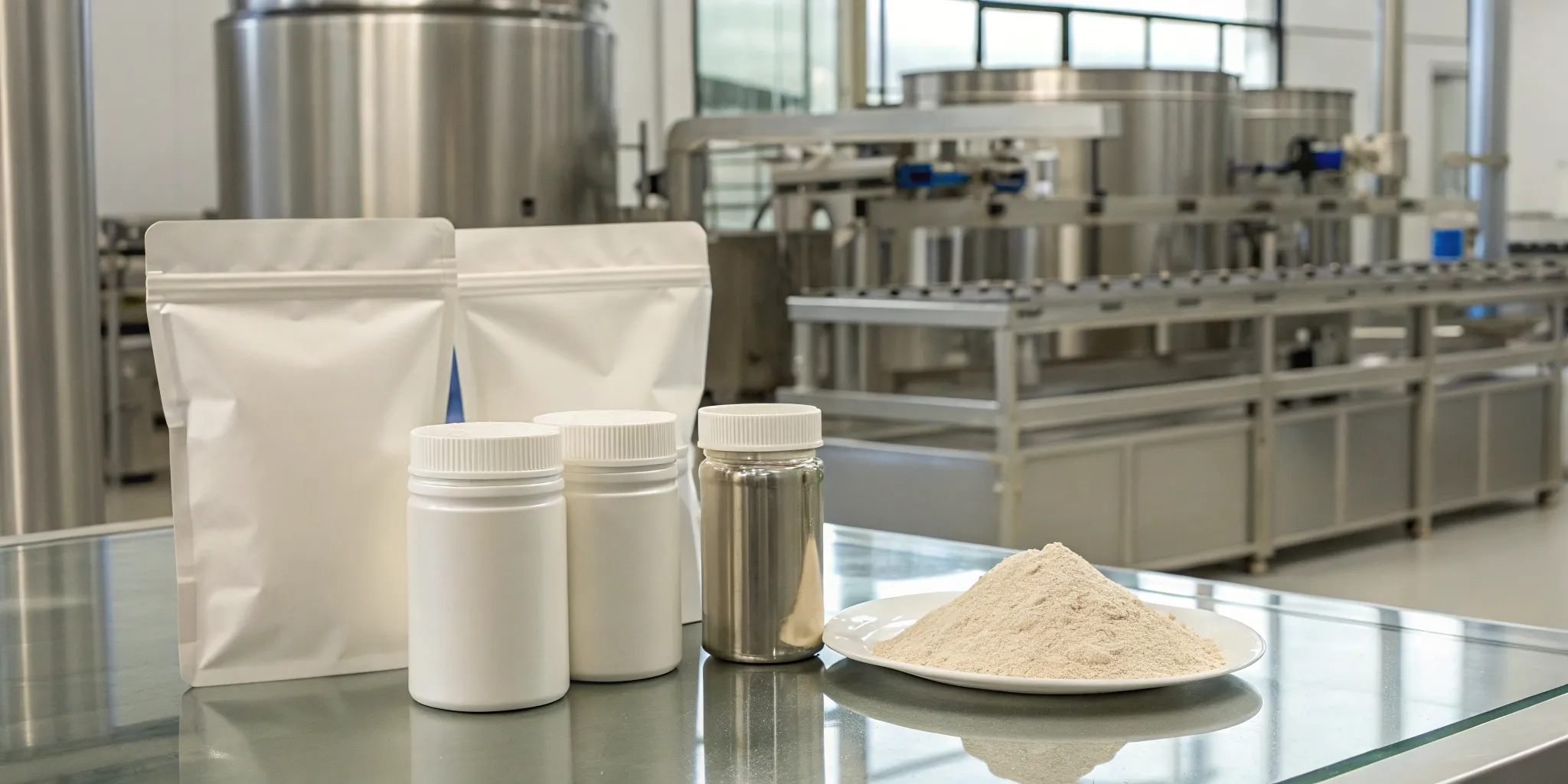
The dream of total control over your production is appealing, but the financial reality can be a nightmare. The initial investment for a food-grade facility, specialized blending equipment, and a trained production staff can run into hundreds of thousands of dollars. This ties up capital that could be better used for marketing, product development, or simply keeping your business afloat. It’s a high-risk gamble that many new brands can’t afford to take. Outsourcing your manufacturing isn’t about losing control; it’s a smart financial move. Partnering with a supplement co-packer for powders allows you to sidestep these massive costs, reduce your risk, and get your product to market faster, all while gaining access to expert-level production.
Key Takeaways
- Focus on your brand, not the factory: A co-packer handles the expensive and complex side of production, including equipment and facilities, which frees up your capital and time to concentrate on marketing, sales, and customer relationships.
- Choose a partner who knows powders: Handling powders requires specialized equipment and expertise to ensure accurate blending, consistent quality, and product safety; a general co-packer may not have the right setup for the job.
- Ask the right questions before you commit: Protect your brand by verifying key certifications like GMP, clarifying minimum order quantities and lead times, and understanding their specific quality control process for every batch.
What Is a Powder Supplement Co-Packer?
Think of a powder supplement co-packer as your dedicated production partner. This is a company that specializes in taking your product idea, whether it’s a protein powder, a dietary supplement, or a custom spice blend, and handling the manufacturing and packaging for you. Instead of you needing to invest in a factory, expensive machinery, and a full production staff, a co-packer provides all of that for you. They are experts in their field, offering a range of services that can cover everything from perfecting your formula to getting the finished product into its final container, ready for your customers.
Where Co-Packers Fit in Your Supply Chain
A co-packer becomes a critical extension of your business, especially when you’re ready to grow. Maybe you’ve been mixing and packing products in a commercial kitchen and demand is starting to outpace what you can handle. Or perhaps you have a great new idea but lack the resources to set it up for mass production. This is where a co-packer steps in. They help you scale your operations, launch new products quickly, and avoid the massive upfront costs of building your own production line. By handling the manufacturing, they free you up to focus on what you do best: building your brand and connecting with customers. They are your partner in product development and growth.
The Difference Between Powder and General Co-Packing
Not all co-packers are created equal, and this is especially true when it comes to powders. Handling powders is a specialized skill. It involves managing fine particles that can create dust, require precise blending for consistency, and are often sensitive to moisture. A general co-packer who primarily deals with liquids or solid goods may not have the right equipment or controlled environment for the job. A specialist in spices and powders will have dedicated machinery for blending, filling, and sealing to ensure product integrity, accurate dosing, and a clean, professional finish. Choosing a partner with proven experience in your specific product category is essential for quality and consistency.
Why Producing Powders In-House Is Tougher Than It Seems
The idea of managing your powder production from start to finish is appealing. You get total control over every detail, from the first scoop of ingredients to the final sealed package. But while the DIY approach seems like the best way to protect your product quality, it often comes with a steep learning curve and even steeper costs. Many brands find that the day-to-day grind of manufacturing, sourcing, and compliance pulls their focus away from marketing, sales, and connecting with customers.
Before you start pricing out industrial mixers and leasing warehouse space, it’s important to understand the full picture. The reality is that producing powders in-house involves a maze of expensive equipment, strict regulatory standards, and the constant pressure to scale. These hurdles can quickly drain your resources and slow your momentum. Partnering with a co-packer isn’t about losing control; it’s about gaining a strategic ally. It allows you to tap into existing infrastructure and expertise, freeing you to concentrate on growing your business. Let’s look at some of the real-world challenges of going it alone.
The High Cost of Equipment and Facilities
Bringing your powder production in-house means a major financial commitment. You’re not just buying a single machine; you’re investing in a full suite of specialized equipment for blending, filling, and sealing. These machines are expensive, and they require a facility that’s just as specialized. Powders are sensitive to humidity and temperature, so you’ll need a climate-controlled environment to prevent clumping and preserve quality.
This initial outlay for equipment and real estate can tie up capital that could be used for marketing or product development. Outsourcing your bottling and filling streamlines your production and lets you avoid these massive upfront costs, giving your business more financial flexibility to grow.
Meeting Regulatory and Formulation Demands
The supplement and food industries operate under strict guidelines. Meeting regulatory standards from bodies like the FDA requires more than just a clean workspace; it demands a rigorous quality management system. You need documented processes for everything from sourcing raw materials to testing the final product to ensure it’s safe and matches what’s on the label.
This is where many new brands get stuck. Establishing these protocols from scratch is complex and time-consuming. A good co-packer already has these systems in place. They have the experience and established quality control measures to ensure your product is compliant from day one, saving you from costly mistakes and potential legal issues.
The Hurdles of Scaling and Speed to Market
Your brand is taking off, and orders are pouring in. That’s great news, but can your in-house production line keep up? Scaling quickly is one of the biggest operational challenges you can face. It often means buying more equipment, hiring and training new staff, and finding more space, all while trying to fulfill orders without delays.
This is where a co-packer becomes a critical extension of your team. They have the capacity to handle both small and large production runs, allowing you to adapt to market demand without missing a beat. By managing the logistics and distribution for you, a partner helps you get your product to market faster and scale your business without the growing pains.
What Services Do Powder Supplement Co-Packers Offer?
When you think of a co-packer, you might just picture a factory floor, but their role goes far beyond simple manufacturing. A great powder supplement co-packer acts as a true partner, offering a suite of services that can guide your product from a simple idea to your customer’s doorstep. They provide the infrastructure, expertise, and manpower that allows you to focus on building your brand instead of getting bogged down in production logistics.
Think of them as an extension of your own team. They handle the complex, capital-intensive parts of the supply chain, giving you a streamlined path to market. Whether you’re just starting with a new recipe or looking to scale your existing product line, a co-packer fills in the operational gaps. From initial formulation and ingredient sourcing to packaging, warehousing, and direct-to-consumer shipping, they offer an end-to-end solution. Let’s look at the specific services you can expect.
Formulate and Develop Your Product
Have a brilliant idea for a new protein powder or wellness blend but aren’t sure how to create the perfect formula? This is where a co-packer’s R&D team comes in. They can work with you to turn your concept into a market-ready product. This process involves more than just mixing ingredients; it’s about achieving the right taste, texture, and nutritional profile while ensuring the formula is stable and safe. A partner with strong product development expertise can help you refine an existing recipe or build a completely new one from the ground up, saving you countless hours of trial and error.
Manufacture and Fill Your Powder
At the heart of any co-packing relationship is the manufacturing process. For powders, this requires specialized equipment to ensure ingredients are blended uniformly and filled accurately. A professional co-packer uses precise machinery for bottling and filling to guarantee that every container has the correct weight and that the product remains consistent from batch to batch. This precision is key to maintaining customer trust and product integrity. They manage the entire production run, from blending raw materials to filling and sealing your final product, all within a controlled, sanitary environment.
Package and Private Label Your Brand
Your product’s packaging is its first impression. A co-packer can help you make it a great one by managing your packaging and assembly needs. They can source the right containers, whether you need tubs, jars, or flexible pouches, and create a streamlined process for labeling and final assembly. Many brands also use co-packers for private labeling. This is where the co-packer produces a high-quality, pre-formulated product that you can then sell under your own brand name. It’s an excellent way to launch a product line quickly without investing in your own formulation.
Source Ingredients and Test for Quality
Ensuring your supplement is safe and effective starts with high-quality ingredients. Co-packers often have established relationships with trusted raw material suppliers, which can give you access to better pricing and vetted ingredients. More importantly, a reputable partner will have a robust quality control system in place. This includes testing raw materials upon arrival, monitoring the product during manufacturing, and conducting final checks to verify purity and potency. This commitment to quality is especially important for specialized products like spices and powders, where consistency is everything.
Warehouse, Fulfill, and Distribute Orders
Once your powder supplement is produced and packaged, it needs a place to be stored and a system to get it to your customers. Many co-packers offer integrated warehousing solutions, saving you the hassle and expense of finding your own storage facility. They don’t just store your products; they can also manage your entire fulfillment process. With their logistics and distribution services, they pick, pack, and ship orders directly to individual customers or to retail distribution centers, ensuring your products move efficiently through the supply chain.
Handle FBA/FBM Compliance and Dropshipping
Selling online, especially through marketplaces like Amazon, comes with its own set of rules. A modern co-packer understands the digital retail landscape and can provide FBA/FBM compliant services. This means they can prepare and label your products according to Amazon’s strict requirements for its Fulfillment by Amazon (FBA) or Fulfillment by Merchant (FBM) programs. Some co-packers also offer dropshipping services, where they hold your inventory and ship orders directly to your customers as they come in. This model allows you to run your business from anywhere without ever touching the physical product.
The Advantages of Partnering with a Powder Co-Packer
Deciding to work with a powder co-packer is a major step, but the benefits often far outweigh the challenges of going it alone. Partnering with an expert lets you focus on what you do best: building your brand and connecting with customers. A great co-packer acts as an extension of your team, handling the complex operational details so you can grow your business with confidence. From saving money to scaling production, here are the key advantages of bringing a co-packer on board.
Reduce Your Overhead and Production Costs
One of the most immediate benefits of outsourcing is the financial relief. Building or leasing a food-grade facility, purchasing specialized powder-filling equipment, and hiring a trained production team requires a massive upfront investment. By partnering with a co-packer, you sidestep these costs entirely. Instead of tying up capital in assets, you pay for production as you go. This approach can significantly streamline your production and free up your staff to concentrate on sales, marketing, and product innovation, which are the real drivers of growth for your brand.
Get to Market Faster
In the competitive supplement market, speed is everything. A co-packer can dramatically shorten the time it takes to get your product from an idea to a store shelf. They already have the facility, equipment, and processes in place, which means you can skip the months or even years it would take to build your own production line. Their experience also helps you avoid common delays related to sourcing, formulation, and compliance. This accelerated timeline allows you to capitalize on market trends and start generating revenue sooner, giving you a critical edge over competitors who are still figuring out their operations.
Gain Access to Specialized Equipment and Expertise
Powdered supplements require specific machinery for blending, filling, and packaging to ensure consistency, safety, and quality. A co-packer gives you immediate access to this high-end equipment without you having to spend a dime on purchasing or maintaining it. Beyond the hardware, you also gain their team’s expertise. These professionals understand the nuances of powder formulation, ingredient sourcing, and regulatory compliance. This specialized knowledge is invaluable, especially when you’re launching a new product or working with complex ingredients. Their product development support can help you refine your formula for better taste, texture, and stability.
Scale Your Business Without the Growing Pains
As your brand grows, your production needs will change. A flexible co-packer can adapt with you, handling both small test runs and large-scale orders without sacrificing quality. This scalability is a huge advantage. You can launch with a small batch to test the market, and as your sales increase, your partner can simply ramp up production. This eliminates the risk of investing in a large facility that you may not fully use or, conversely, being unable to meet a sudden surge in demand. A good partner manages the logistics and distribution to ensure your products get where they need to go, no matter the volume.
Stay Ahead of Industry Trends
The supplement and nutrition market is constantly evolving, with new packaging formats and consumer preferences emerging all the time. The market for supplement packaging is projected to grow significantly, reaching over $44 billion by 2035. A dedicated co-packer stays on top of these trends because it’s their core business. They invest in new technologies and sustainable packaging options so you don’t have to. By partnering with them, you gain access to the latest innovations in packaging and assembly, ensuring your product looks modern and appeals to today’s consumers. This keeps your brand fresh and competitive without requiring you to become a packaging expert yourself.
Key Certifications and Qualities to Look For
Choosing a co-packer is a lot like choosing any other business partner. You want someone reliable, experienced, and aligned with your standards. When you’re handing over your product, you’re also handing over a piece of your brand’s reputation. That’s why it’s so important to vet potential partners carefully, especially when it comes to something as personal as supplements. You need to be absolutely certain that the company manufacturing your product operates with the highest level of integrity and care. This isn’t just about finding a vendor; it’s about building a relationship based on trust.
Before you sign any contracts, take a close look at a co-packer’s credentials. Certifications aren’t just fancy badges; they’re proof that a facility meets rigorous, third-party standards for safety and quality. A great co-packer will be proud to show you their qualifications and walk you through their processes. It shows they are committed to excellence and gives you peace of mind that your product is in good hands. Think of it as their resume. You wouldn’t hire an employee without checking their references, and the same principle applies here. Let’s walk through the key things you should be looking for to ensure you find a partner who will protect your product and your brand.
GMP and Food Safety Certifications
First things first, let’s talk about the non-negotiables. For any food or supplement product, your co-packer must have food safety certifications. Look for credentials like Good Manufacturing Practices (GMP), which are guidelines from the FDA. These ensure products are produced and controlled according to quality standards. Other important certifications include HACCP (Hazard Analysis and Critical Control Points) and SQF (Safe Quality Food). These systems are designed to identify and control potential hazards in the production process. A co-packer with these certifications demonstrates a serious commitment to maintaining product integrity and protecting your customers, which in turn protects your brand from costly recalls and reputational damage.
Specialty Certifications (Kosher, Halal, Organic)
Beyond the essential safety certifications, you might want to find a partner with credentials that match your specific niche. If your brand targets health-conscious consumers, having a USDA Organic certification could be a major selling point. Similarly, if you want to serve customers who follow specific dietary laws, you’ll need a co-packer with Kosher or Halal certifications. These specialty certifications can open up your product to wider markets and show customers you understand their values. Not every brand needs them, but if they align with your mission, make sure your co-packer can provide them. This is a key part of finding a partner who can help you appeal to specific consumer segments and grow your audience.
A Strong Quality Control System
Certifications are a great starting point, but they don’t tell the whole story. You also need a partner with a robust internal quality control system. This means they have documented processes for testing raw ingredients, monitoring production lines, and inspecting finished goods. Ask potential partners to walk you through their quality control procedures. How do they ensure every batch is consistent? What happens if they find an issue? A great co-packer will have clear answers and be transparent about their methods. They should be able to provide documentation, like Certificates of Analysis (COAs), for all ingredients and final products. This day-to-day diligence is what truly ensures your supplement is safe, effective, and meets the exact specifications of your formula every single time.
Proven Experience with Powdered Supplements
Working with powders presents unique challenges. Things like ingredient blending, dust control, preventing clumping, and ensuring accurate dosing require specialized equipment and expertise. A general co-packer might not have the right setup to handle your product effectively. That’s why it’s so important to find a partner with proven experience working specifically with spices and powders. An experienced powder co-packer will understand the nuances of your product. They’ll know how to achieve a homogenous blend, prevent separation, and fill packages with precision. They will also be better equipped to help you scale, whether you’re starting with a small batch or planning for large-scale production. Their experience minimizes risk and helps you avoid common challenges that can arise during manufacturing.
How to Choose the Right Supplement Co-Packer
Finding the right co-packer is one of the most important decisions you’ll make for your supplement brand. This isn’t just about hiring a vendor; it’s about finding a long-term partner who will handle your product with the same care you would. The right partner acts as an extension of your team, helping you scale efficiently and maintain quality, while the wrong one can lead to production delays, quality control nightmares, and damage to your brand’s reputation.
Before you sign any contracts, it’s essential to do your homework. You need a partner who not only has the right equipment and certifications but also understands your vision and can grow with you. This process involves looking closely at their capabilities, their track record, and how they communicate. By focusing on a few key areas, you can confidently select a co-packer who aligns with your goals and sets your business up for success. Let’s walk through the critical factors to consider when making your choice.
Define Your Production Needs and Order Size
Before you even start your search, you need a clear picture of your production requirements. How many units do you plan to produce in your first run? What are your sales forecasts for the next six to twelve months? Knowing your numbers will help you find a co-packer that can meet your current needs without being too large or too small for your brand. Some co-packers have high minimum order quantities (MOQs) that might be out of reach for a startup. Others may not have the capacity to handle your volume as you grow. Finding a partner that can adapt to both small and large orders is key to a successful product development journey.
Assess Their Capacity and Lead Times
Your co-packer’s production schedule directly impacts your ability to get products on the shelf and keep them in stock. Ask potential partners about their current capacity and typical lead times, from receiving raw materials to shipping finished goods. A great co-packer can significantly shorten your time to market, but an overbooked one can cause frustrating delays. Be sure to ask how they handle unexpected rush orders or production challenges. A transparent partner will give you a realistic timeline and communicate proactively if any issues arise. This ensures you can manage your inventory and keep your customers happy.
Verify Certifications and Sourcing Standards
When it comes to supplements, quality and safety are non-negotiable. Your co-packer must hold the proper certifications to prove they follow industry best practices. Look for essential credentials like Good Manufacturing Practices (GMP), which ensures your product is consistently produced and controlled according to quality standards. Depending on your product, you might also need certifications like USDA Organic, Kosher, or Halal. Don’t just take their word for it; ask to see their documentation and find out how they maintain their quality control systems. This diligence protects your customers and your brand.
Evaluate Their Powder Packaging Options
How your supplement is packaged is just as important as what’s inside. The right packaging protects the product from moisture and contamination, communicates your brand identity, and provides a great user experience. Discuss your vision with potential co-packers and see what packaging and assembly solutions they offer. Can they source stand-up pouches, gusseted bags, rigid tubs, or single-serving stick packs? Do they offer custom printing and labeling? A partner with a wide range of options will give you the flexibility to create a product that stands out on the shelf and meets consumer expectations.
Consider Location, Communication, and Scalability
A co-packer’s location can have a big impact on your bottom line, affecting shipping costs for both raw materials and finished products. While a local partner can be convenient, a well-connected one with strong logistics and distribution networks might be more efficient. Beyond location, evaluate their communication style. Do you have a dedicated point of contact? Are they responsive and transparent? Finally, think about the future. You need a partner who has extensive experience in your field and can easily manage shifts in order volume as your brand grows, ensuring they can support you for years to come.
Essential Questions to Ask a Potential Co-Packer
Once you’ve shortlisted a few potential co-packers, it’s time to start asking the right questions. Think of this as an interview where you’re hiring a crucial business partner. Being prepared with a list of questions will not only help you gather the information you need but also show potential partners that you’re a serious and organized brand owner. A good co-packer will welcome your questions and provide transparent answers. This initial conversation sets the tone for your entire working relationship, so it’s important to get it right.
What are your certifications and quality standards?
This should be one of your first questions. Your product’s safety and your brand’s reputation depend on it. Ask if the facility holds key certifications like Good Manufacturing Practices (GMP). For food-grade powders and supplements, you should also look for food safety credentials like HACCP or SQF. These certifications aren’t just pieces of paper; they are proof that the co-packer follows strict protocols to ensure every batch is produced safely and consistently. A partner who prioritizes these standards is invested in protecting your customers and your business. Don’t be shy about asking for documentation, a great partner will have it ready.
Can you manage custom formulas and private labeling?
You need a partner who can bring your unique vision to life. Ask if they have experience with custom formulas and what that process looks like. Can they work with ingredients you source, or do they handle all sourcing? This is also the time to discuss your branding needs. A key service many brands need is private labeling, which involves the co-packer producing your product and packaging it with your distinct branding. You want to ensure they can handle your specific blending, filling, and labeling requirements to create a finished product that looks and feels exactly like your brand.
What are your minimum orders and lead times?
Understanding a co-packer’s production capacity is essential for managing your inventory and cash flow. Ask about their minimum order quantities, or MOQs. Some co-packers are built for massive runs, while others are more flexible and can accommodate smaller, startup-friendly batches. Find a partner whose capacity aligns with your current needs and future growth plans. Equally important are their lead times, which is the time between placing an order and having it ready to ship. Knowing this helps you plan your sales cycles and avoid running out of stock.
How do you manage quality control and testing?
Beyond initial certifications, you need to understand their day-to-day process for ensuring product quality. A strong partner will have a robust quality control system. Ask them to walk you through it. Do they test raw ingredients when they arrive? What checks are performed during production to ensure the formula is consistent? Do they conduct final testing on the finished product before it ships? The more detailed their answers, the more confident you can be that they are committed to delivering a high-quality product every single time. This diligence protects your product from recalls and maintains customer trust.
What is your pricing and contract structure?
Finally, you need to talk about money. Ask for a detailed breakdown of their pricing. Is it a simple per-unit cost, or are there separate fees for setup, storage, or other services? Understanding the full cost helps you accurately calculate your profit margins. You should also ask to review a sample contract. A clear contract protects both you and the co-packer by outlining responsibilities, payment terms, and ownership of the formula. A transparent partner will have a straightforward pricing model and a fair contract that sets the foundation for a strong, long-term relationship.
Pricing, Contracts, and Red Flags to Watch For
Choosing a co-packer is a major business decision, so it’s important to get the financial and legal details right from the start. A clear agreement protects both you and your partner, setting the stage for a successful relationship. Let’s walk through what to expect with pricing, what your contract should cover, and which warning signs tell you to walk away.
Understanding Common Pricing Models
Most co-packers use a per-unit pricing model, but the final cost can change based on a few key factors. The complexity of your packaging, the volume of your order, and whether the co-packer is sourcing ingredients for you will all influence the price. It’s helpful to find a partner who can adapt to both small test runs and large-scale production. Ask potential co-packers how their pricing structure supports businesses as they grow. A good partner will offer a scalable model that doesn’t sacrifice quality as your order volume increases.
Key Elements of a Co-Packing Contract
Your co-packing agreement is your roadmap for the entire partnership, so make sure it’s detailed and clear. The contract should explicitly outline pricing, production timelines, and who is responsible for what. It also needs to define the quality standards your product must meet. This is where a partner’s commitment to quality control becomes critical. Your contract should specify testing protocols, how to handle rejected batches, and what happens if there are delays. A thorough contract prevents misunderstandings and ensures your product is made to your exact specifications every time.
Red Flags to Avoid in a Partner
A bad co-packing relationship can do more than cause headaches; it can damage your brand’s reputation. Be cautious of any company that isn’t transparent about its processes or seems hesitant to provide references. If they can’t show you how they work with products similar to yours, like spices and powders, consider it a major red flag. Poor communication from the start is another warning sign. If they are slow to respond or vague in their answers, imagine how they’ll communicate when there’s a problem. Trust your gut and partner with a co-packer who is open, experienced, and communicative.
Why Co-Packing Express Is the Right Partner for Your Powder Supplements
Choosing a co-packer is a huge decision. You’re not just hiring a vendor; you’re trusting a partner with your product and your brand’s reputation. The right one becomes a critical extension of your business, helping you grow without the headaches of managing production yourself. At Co-Packing Express, we’ve built our services to be the end-to-end solution for ambitious supplement brands.
We offer comprehensive support that takes your idea from a concept to a market-ready product. Our team can guide you through product development, helping you refine your formula and get it just right. Because we specialize in handling spices and powders, we understand the specific challenges of working with these ingredients, from precise blending to preventing cross-contamination and ensuring consistent quality. This expertise means your supplement is produced correctly every single time. We also offer the flexibility to grow with you, handling both small initial runs and large-scale production as your business expands.
Beyond manufacturing, we simplify your entire operation. Need a partner who can prepare your products for Amazon? Our FBA/FBM compliant services ensure your inventory meets all requirements, saving you from costly mistakes and delays. From bottling and private labeling to warehousing and final distribution, we manage your entire supply chain. This integrated approach gives you a faster speed to market and lets you focus on what you do best: building your brand.
Frequently Asked Questions
What if I only need a small batch to start? This is a very common and smart way to begin. Many co-packers, especially those who enjoy working with growing brands, are flexible. They understand that you might want to start with a smaller test run to gauge market interest before committing to a huge inventory. Be upfront about your needs and ask about their minimum order quantities (MOQs). A good partner will be able to provide a path for you to start small and will have a clear plan for how they can scale production with you as your sales grow.
How do I know my custom formula will be kept confidential? Protecting your intellectual property is a top priority, and any professional co-packer will agree. Your partnership should always begin with a non-disclosure agreement (NDA). This is a standard legal document that contractually obligates the co-packer to keep your proprietary information, including your formula, completely confidential. Remember, a co-packer’s business model is built on being a trusted production partner, not on stealing ideas. Their success is tied to your success.
What factors actually determine my final cost per unit? The final price is more than just a single number; it’s influenced by several parts of the production process. The complexity of your formula, for instance, can affect the cost, as can the number of ingredients that need to be sourced and blended. Your packaging choices also play a big role; a custom-printed tub will have a different cost than a simple stock pouch. Finally, order volume is a key factor, as larger production runs typically result in a lower cost per unit.
Why can’t I just use a general co-packer instead of one that specializes in powders? While it might seem like any production facility could handle your product, powders present unique challenges. They can create dust, are sensitive to moisture which causes clumping, and require very specific blending techniques to ensure every scoop is consistent. A co-packer who specializes in powders has the right equipment, climate-controlled environments, and expertise to manage these issues effectively. Choosing a specialist prevents quality problems and ensures your product is safe, consistent, and professional.
What information should I have prepared before I reach out for a quote? Coming to the conversation prepared will help you get a more accurate quote and find the right partner faster. Before you call, have a clear idea of your product, including its key ingredients and what makes it unique. You should also have an estimate of your desired first order size and some thoughts on how you’d like the product to be packaged (for example, in a tub, pouch, or stick pack). Having these details ready makes for a much more productive first discussion.