


Product Development Services for Startups 101

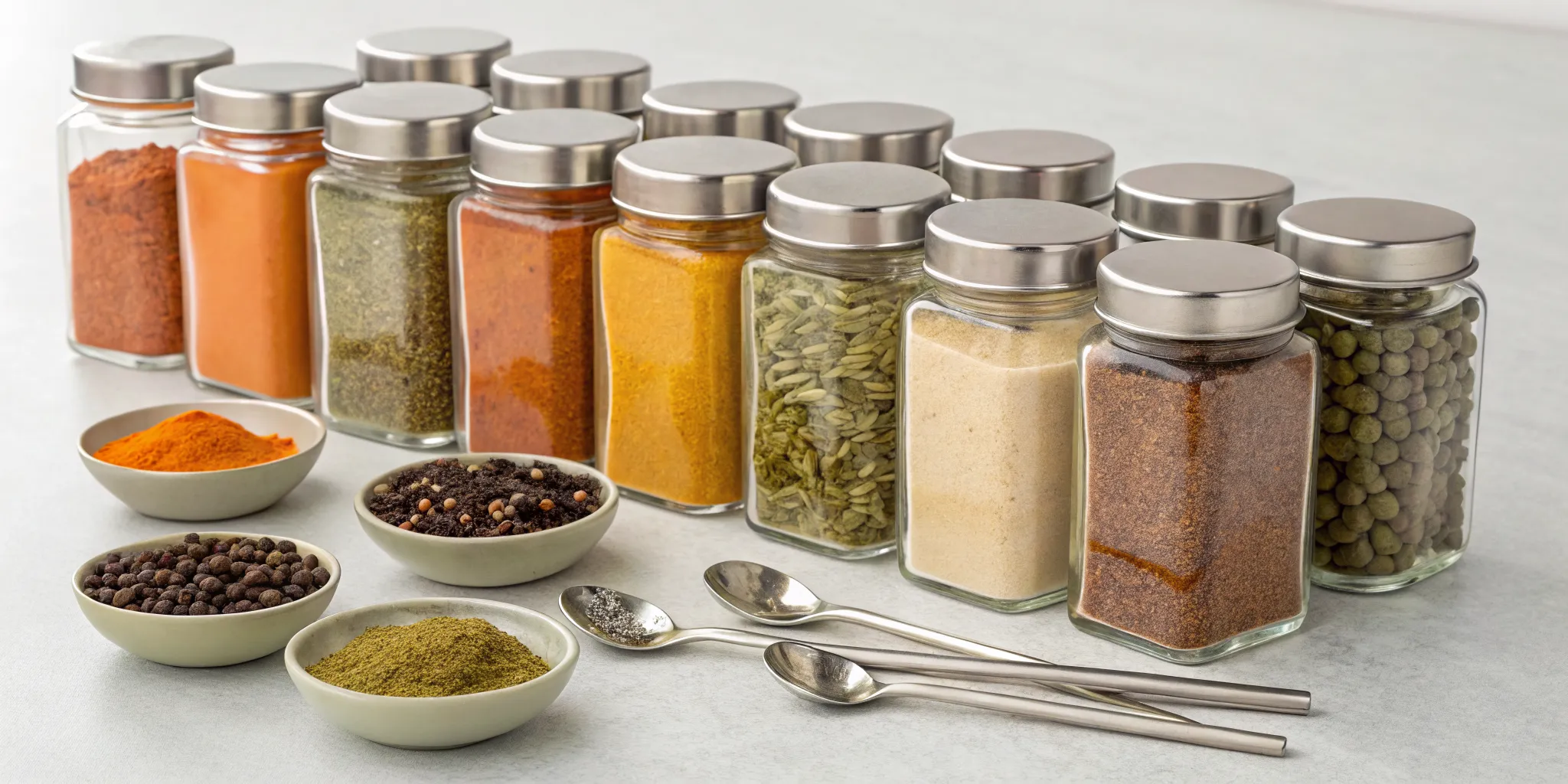
As a founder, you’re expected to wear a lot of hats. You’re the visionary, the marketer, and the head of sales. But should you also have to be a manufacturing engineer and a supply chain expert? Trying to master the technical side of bringing a product to life can lead to burnout and costly mistakes. Instead of trying to do it all, you can build a smarter team. Partnering with a firm that offers product development services for startups is like hiring an entire expert department. It allows you to delegate the complexities of prototyping, sourcing, and production, freeing you to focus on what you do best: growing your business and connecting with customers.
Key Takeaways
- Choose one partner for the entire process: A partner offering comprehensive services, from initial research to final fulfillment, streamlines your workflow and lets you focus on building your brand instead of managing multiple vendors.
- Prioritize launching an MVP over a perfect product: Get to market faster with a solid Minimum Viable Product. This allows you to test your core concept, learn from real customers, and invest your resources based on actual feedback, not guesswork.
- Look beyond the product itself: A successful launch requires a holistic plan, so create a realistic budget, map out your logistics for warehousing and shipping, and define how you will measure success with metrics like customer satisfaction and retention.
What Are Product Development Services?
Think of product development services as the expert support system that turns your brilliant idea into a tangible product people can buy. It’s a process that covers everything from refining your initial concept to preparing it for large-scale manufacturing. For a startup, this means getting help with design, creating prototypes, and making sure your product is actually buildable and ready for the market. Instead of figuring it all out on your own, you can work with a partner who has the experience and resources to guide you. A great partner offers comprehensive product development support, helping you plan, build, and launch successfully.
Why Your Startup Needs a Product Development Partner
As a founder, you’re wearing a lot of hats. A product development partner takes some of the most complex tasks off your plate so you can focus on growing your business. One of the biggest reasons startups fail is a mismatch between their product and what the market actually wants. A partner helps you conduct thorough market research to confirm your idea meets a real customer need. They bring specialized expertise that improves efficiency, reduces costly errors, and gets your product to market faster. You don’t have to be an expert in manufacturing or logistics; you just need a partner who is. This collaboration gives you access to a full suite of services designed to set you up for success from day one.
Common Misconceptions to Avoid
One of the biggest myths in product development is that you need a perfect, flawless product before you can launch. Waiting for perfection often leads to long delays, missed opportunities, and wasted resources. It’s better to launch a solid minimum viable product (MVP) and refine it based on real customer feedback. Another common mistake is skipping crucial steps like design validation or quality control to save a little money upfront. These shortcuts almost always lead to bigger, more expensive problems down the road. Underestimating the value of an expert partnership can also hold you back. Trying to do everything in-house without the right experience can derail even the most promising idea.
Key Product Development Services for Startups
Product development isn't a single action but a series of connected services that guide your idea from a concept to a market-ready item. For a startup, managing all these moving parts can feel overwhelming, which is why many founders turn to a partner for support. A good partner offers a suite of services designed to work together, making the process smoother and more efficient. Understanding these key services will help you see where you might need the most help and how each step contributes to your final product's success. From initial research to final packaging, each stage builds on the last, creating a strong foundation for your launch and future growth.
Market Research and Concept Validation
Before you spend a dime on development, you need to know if people actually want what you’re planning to sell. This is where market research comes in. It helps you understand your potential customers, identify gaps in the market, and see what your competitors are doing. Effective market research helps you avoid the common pitfall of creating a product nobody needs. By validating your concept early, you can make smarter decisions about your product’s features and go-to-market strategy, saving you time and money down the road. It’s about replacing guesswork with data so you can move forward with confidence.
Prototyping and Design
Once your concept is validated, it’s time to bring it to life with a prototype. Prototyping allows you to create a tangible version of your product quickly and affordably. This is a critical step in the product development process because it lets you test your design, gather feedback, and make refinements before committing to a full production run. By creating and iterating on a prototype, you can work out any kinks in the design and ensure the final product is both functional and manufacturable. This iterative approach helps you get to market faster and with fewer costly surprises.
Testing and Quality Control
A great idea is only as good as its execution. Rigorous testing and quality control are essential to ensure your product works perfectly and meets all necessary standards before it reaches your customers. This stage involves checking everything from the raw materials to the final product’s performance and safety. Implementing a solid quality control plan throughout development helps catch issues early, preventing expensive recalls and protecting your brand’s reputation. Regular reviews and adjustments based on testing results ensure you’re creating a high-quality product that customers will love and trust.
Manufacturing and Co-Packing
After your design is finalized and tested, the next step is manufacturing. For many startups, especially in the food and spice industry, finding the right manufacturing partner is key to scaling successfully. A co-packer can handle the production for you, which is often more efficient than building your own facility. It’s important to consider manufacturing readiness from the very beginning of the design process to ensure your product can be mass-produced efficiently. Partnering with an experienced co-packing provider gives you access to expertise and equipment, helping you produce your product consistently and at scale.
Packaging, Labeling, and Assembly
How your product looks on the shelf is just as important as what’s inside. Your packaging is often the first interaction a customer has with your brand, so it needs to be compelling and informative. This service involves designing attractive packaging, creating compliant labels with all the necessary information (like ingredients and nutritional facts), and assembling the final product. Great packaging and assembly not only protects your product but also tells your brand’s story and helps you stand out from the competition. It’s the final touch that can make all the difference in a customer’s purchasing decision.
Unique Needs of Food and Spice Startups
Launching a food or spice brand is an incredible journey, but it comes with its own unique rulebook. Unlike other industries, you’re dealing with ingredients that people eat, which raises the stakes considerably. You have to think about sourcing pure ingredients, preventing cross-contamination, managing shelf life, and following strict food safety regulations. On top of that, the market is full of passionate foodies with high expectations for quality and flavor. Getting these details right from the start is what separates a hobby from a successful business that earns customer trust.
This is where a specialized partner can make all the difference. Working with a team that understands the food industry means you don't have to become an expert in logistics, compliance, and large-scale production overnight. A good partner helps you manage these specific challenges, ensuring your product is not only delicious but also safe, beautifully branded, and ready to grow with you. With the right support for your product development, you can focus on what you do best: creating amazing recipes and building a brand that people love.
Handling Spices and Powders
When you’re working with spices and powders, quality is everything. Your customers trust you to provide a product that is not only flavorful but also safe. This means sourcing high-quality ingredients and handling them in a controlled environment to prevent cross-contamination and ensure every batch is consistent. A partner with expertise in spices and powders is essential. They can manage the complexities of blending, portioning, and packaging, all while adhering to strict safety and quality standards. This frees you up to focus on creating amazing flavor profiles instead of worrying about the technical details of production.
Standing Out with Private Labeling
The spice aisle is a busy place, so your brand needs to catch the eye of discerning shoppers. This is where a strong brand identity makes all the difference. Private labeling is a fantastic strategy that lets you put your unique brand on a professionally manufactured product. You can create custom blends and signature recipes without investing in your own production facility. This approach allows you to build a loyal following and cater to niche markets, whether you’re selling online or in retail stores. It gives you the power to tell your story through your packaging and build a brand that customers remember and trust.
Scaling from Small Batches to Full Production
Many great spice companies start with small batches made in a home or commercial kitchen. But as your business grows, you’ll need to scale up. Transitioning from small-batch production to larger manufacturing runs is a major step that requires careful planning. You’ll need to think about consistent sourcing, licensing, and how to produce larger quantities without sacrificing quality. A partner that offers scalable co-packing services can grow with you. They can help you move from producing a few hundred units to thousands, all while maintaining the integrity of your product and helping you meet growing demand.
The Product Development Process: From Idea to Shelf
Turning a great idea into a product people can hold in their hands is a structured process. Each stage builds on the last, making sure your final product doesn't just meet market demands but also stands out from the competition. This structured approach transforms an idea into a commercial product, with each step being crucial for success. Let's walk through the four key stages that take your concept from a simple idea to a shelf-ready item.
Stage 1: Research and Ideation
Before you spend a dime on development, you need to do your homework. Market research helps you avoid the number one startup killer: building something nobody wants. This stage is all about digging into customer needs, finding gaps in the market, and seeing what your competitors are up to. It’s how you make smart decisions from the start. A solid product development partner can guide you through this, helping you validate your idea with real data so you can move forward with confidence, knowing you’re on the right track.
Stage 2: Prototyping and Refinement
Once your idea is validated, it's time to make it real. Prototyping is where you create the first version of your product. The goal here isn't perfection; it's progress. You want to create a tangible sample quickly and affordably to see how it looks, feels, and functions. For food products, this might mean perfecting a recipe for your spices and powders. By refining the formula through iteration, you can work out the kinks with your partner. This process helps you avoid costly surprises down the road and gets your product ready for the next stage.
Stage 3: Testing and Compliance
With a prototype in hand, you can start gathering valuable insights into consumer needs and preferences. This stage involves testing your product with your target audience to see if it truly resonates with them. Does it solve their problem? Do they like the taste, texture, or packaging? This feedback is gold. At the same time, you need to ensure your product meets all industry regulations and standards. A partner with experience in quality control can help you embed these standards from the beginning, ensuring your product is safe, compliant, and ready for the market.
Stage 4: Production and Fulfillment
This is where your product comes to life at scale. After all the research, prototyping, and testing, you’re ready for manufacturing. It's crucial to think about manufacturing risks from the very beginning, and now is when those plans are put into action. Working with a partner who specializes in co-packing ensures your product is produced, packaged, and assembled efficiently. From there, you need a plan for getting it to your customers. This final step involves warehousing, order processing, and shipping, which can all be managed through comprehensive logistics and distribution services.
Common Product Development Challenges for Startups
Bringing a new product to life is an incredible journey, but it’s rarely a straight line from A to B. Even the most brilliant ideas can face hurdles that slow down progress or, in some cases, stop it completely. As a startup, you’re likely working with limited resources, which makes every decision critical. The most common challenges usually pop up in a few key areas: managing your money, getting stuck on perfection, and making sure you’re actually building something people want to buy. These aren't just minor hiccups; they can define the future of your business.
Thinking through these potential issues ahead of time is the best way to prepare for them. It’s not about expecting the worst; it’s about being smart and strategic so you can keep moving forward. Having a clear plan and the right support system can make all the difference. A good partner can guide you through the entire product development process, helping you turn these common challenges into opportunities for growth. By anticipating these bumps in the road, you can build a more resilient and successful brand from day one.
Managing Your Budget
Let’s be honest: money is one of the biggest sources of stress for any startup. It’s incredibly difficult to predict every cost, and unexpected expenses are almost a guarantee. Many founders struggle with the basics, like choosing the right materials or finding a factory that can produce their item efficiently. These early decisions have a huge impact on your bottom line. If your design is too complex or your materials are too expensive, you could run out of cash before you even get to market. Creating a detailed and realistic budget is essential. This means getting clear estimates for every stage, from sourcing raw materials for your spices and powders to final production and packaging.
Avoiding the "Perfect Product" Trap
It’s tempting to want every single detail of your product to be flawless before you launch. But waiting for perfection is a classic startup mistake that often leads to major delays and missed opportunities. The truth is, you don’t need a perfect product to get started. In fact, some experts say that waiting for a flawless product is a recipe for delay. Your goal should be to launch a high-quality, functional product that solves a core problem for your customer. You can always add more features and make improvements later based on real feedback. Getting your product into the hands of customers sooner allows you to start learning and iterating, which is far more valuable than endlessly tweaking in isolation.
Staying Aligned with Your Market
You might be completely in love with your product idea, but if it doesn’t resonate with customers, it won’t succeed. This is why market research is so important. It helps you avoid the dreaded "product-market misfit" by giving you a clear picture of what your target audience actually needs and wants. Good market research reveals gaps in the market, shows you what your competitors are doing, and helps you make smarter decisions about your product’s features and marketing. Don’t think of it as a one-time checklist item. Instead, treat it as an ongoing conversation with your customers to ensure your product stays relevant and desirable.
Why You Need an MVP (Minimum Viable Product)
The concept of a Minimum Viable Product (MVP) is a lifesaver for startups. An MVP is the most basic version of your product that still provides value to early customers. The goal isn't to launch something incomplete; it's to launch something simple to test your core idea in the real world. Releasing an MVP allows you to get crucial feedback from actual users without spending a ton of time and money building features that nobody might want. This approach helps you learn what works and what doesn't, so you can invest your resources wisely and build a product that people truly love.
Budgeting for Product Development Services
Let's talk about money. Creating a budget for product development can feel like guessing, but it doesn't have to be. A clear financial plan is your roadmap, helping you make smart decisions without draining your bank account. Understanding what drives costs and how to plan for them will keep your project on track and set you up for a successful launch. It’s all about knowing where your money is going and why, so you can invest in the services that matter most.
What Influences the Cost?
Several key factors can affect your total spending. One of the biggest is "feature creep," which happens when a product design gets overloaded with too many features, making it too expensive to build profitably. You also have to consider manufacturing challenges. The materials you choose and how your product is made will directly impact the final cost. A solid product development plan helps manage these variables. For example, working with a partner who understands the nuances of handling spices and powders can prevent costly mistakes. Finally, market research adds to the upfront investment, but it provides crucial insights that help you build a product customers actually want to buy.
Creating a Startup-Friendly Budget
A smart budget isn't about spending less; it's about spending smarter. You can avoid common mistakes by validating your design early and focusing on manufacturability from the start. Instead of trying to build the perfect, final version right away, think iteratively. By incorporating consumer insights at every stage, you can refine your product based on real feedback. This approach ensures you're not just building something innovative but something the market truly wants. Setting clear, measurable criteria for success also helps you know if your spending is effective. Finally, don't overlook the importance of quality control, as investing in it early prevents expensive recalls and protects your brand's reputation down the line.
How to Measure Your Success
Once your product hits the market, how do you know if it's a hit? Measuring your success is about more than just initial sales. It’s about understanding customer happiness, loyalty, and whether your financial strategy supports long-term growth. Focusing on the right metrics gives you the data you need to make smart decisions, refine your product, and build a brand that lasts. Here are the key performance indicators (KPIs) that will give you a clear picture of your progress.
Track Customer Satisfaction
Are your customers genuinely happy with their purchase? Don't guess, ask them. Tracking customer satisfaction gives you direct insight into how your product is being received. You can gather this feedback through simple tools like post-purchase email surveys or feedback forms on your website. Key metrics to watch are customer satisfaction scores (CSAT) and conversion rates on your product pages. A high satisfaction score is a great sign, but also pay attention to the qualitative feedback. Reading customer comments can reveal specific things they love or areas where you can make improvements. This information is gold for future product updates and marketing messages.
Monitor User Engagement
Engagement tells you how customers are interacting with your product beyond the initial purchase. For a food product, this could be repeat purchases, social media tags, or reviews where they share how they used your spice blend. One of the most effective ways to measure this is with the Net Promoter Score (NPS). This simple metric asks customers how likely they are to recommend your product to a friend. A high NPS indicates you have loyal fans who can become powerful brand advocates. Monitoring engagement helps you understand if your product has become a staple in your customers' lives, which is a strong signal of long-term success.
Measure Customer Retention
While acquiring new customers is exciting, keeping the ones you have is more cost-effective and proves your product has staying power. Customer retention is a direct measure of loyalty. Are people coming back to buy your product again? A healthy retention rate shows that you've delivered on your promise and built trust. If you notice retention rates are low, it’s a signal to investigate. You might need to revisit your product quality, pricing, or overall customer experience. Consistently assessing your customer retention allows you to identify and fix issues before they impact your brand's reputation and bottom line.
Analyze Your R&D Spend
Shifting from customer-facing metrics to your internal finances, it's important to look at how you're investing in the future. Analyzing your research and development (R&D) spending as a percentage of your sales is a key indicator of your commitment to innovation. This metric shows how much of your income you are reinvesting to create new products or improve existing ones. While you need to manage costs, underinvesting in R&D can leave you vulnerable to competitors. Tracking your product development metrics helps you strike the right balance between current profitability and building a foundation for future growth.
Choosing the Right Product Development Partner
Selecting a partner to help bring your product to life is one of the most important decisions you'll make as a startup founder. This isn't just about finding someone to manufacture your goods; it's about finding a collaborator who understands your vision and has the expertise to guide you from a simple idea to a market-ready product. The right partner acts as an extension of your team, offering insights and support that can prevent costly mistakes and speed up your timeline.
Think of it as a long-term relationship. You need a partner you can trust, communicate with openly, and rely on to handle the technical details so you can focus on building your brand. A great product development partner brings more than just machinery to the table; they bring experience, a full suite of services, and a shared commitment to your success. As you evaluate your options, look beyond the price tag and consider the overall value they bring to your business. The goal is to find a team that will help you not just launch, but thrive.
Look for Industry Experience
When you're vetting potential partners, their experience in your specific industry should be at the top of your checklist. A partner with a deep understanding of your niche will know the unique challenges and requirements you'll face. For example, if you're launching a food product, especially one involving spices and powders, you need a partner who is an expert in food safety, ingredient sourcing, and proper handling procedures. An experienced team can help you avoid common pitfalls related to formulation, shelf life, and regulatory compliance. They’ve seen what works and what doesn’t, and that insight is invaluable for a new brand.
Find a Partner with End-to-End Services
Juggling multiple vendors for research, manufacturing, packaging, and fulfillment can be a logistical nightmare. It drains your time and creates opportunities for miscommunication. That's why finding a partner who offers end-to-end services is a game-changer. When one team can manage the entire process of bringing a product to market, from initial concept validation to final distribution, you get a streamlined, cohesive workflow. This integrated approach ensures every stage is perfectly aligned, saving you from the stress of coordinating different companies. It allows you to have a single point of contact and frees you up to concentrate on marketing and growing your business.
Prioritize Clear Communication and Pricing
A successful partnership is built on a foundation of trust and transparency, which starts with clear communication. Your product development partner should be able to outline a clear plan, set realistic timelines, and keep you informed every step of the way. Before signing any contracts, make sure you understand their entire pricing structure. Ask for a detailed breakdown to ensure there are no hidden fees that could derail your budget later. A partner who is upfront about costs and proactive in their communication is one who values your business and respects your role as the founder. Don't be afraid to ask how they manage projects and who your main point of contact will be.
How to Build a Great Partnership
Once you’ve chosen a partner, the work of building a strong relationship begins. The most successful product launches happen when there is true collaboration. Treat your partner as a core part of your team, not just a vendor. Share your market insights, be open to their expert feedback, and work together to solve problems as they arise. A great partner wants you to succeed, and they will be invested in making your product the best it can be. By fostering an environment of mutual respect and open dialogue, you create a powerful alliance that can turn your product vision into a tangible success story.
Don't Forget Co-Packing and Fulfillment
Once your product is designed and tested, you face the next big challenge: how do you actually produce, package, and ship it? This is where many startups get stuck, thinking they need to invest in a full-scale production facility. But there’s a much smarter way to get your product into customers' hands. Partnering with a co-packer can be a game-changer, especially when you’re just starting out. A co-packer, or contract packager, is a company that handles the manufacturing and packaging for your brand. You provide the vision and the recipe, and they use their expert team, certified facility, and specialized equipment to bring it to life.
This approach lets you sidestep the massive upfront costs of machinery, staffing, and real estate. Instead of spending your limited capital on a production line, you can invest it back into what you do best: building your brand, marketing your product, and connecting with your audience. A reliable partner handles the complexities of production, ensuring your product meets all industry standards for quality and safety. This is a critical part of the product development journey that sets you up for scalable growth without the operational headaches. By outsourcing production, you can focus your energy on building a business, not just a factory.
Get Support for FBA/FBM and Dropshipping
If your business plan includes selling on Amazon or through your own website, your co-packing partner can become your secret weapon. Many co-packers also offer fulfillment services that integrate directly with your sales channels. Whether you’re using Fulfillment by Amazon (FBA) or Fulfillment by Merchant (FBM), a good partner can prepare your products to meet the platform’s specific requirements. This includes labeling, bundling, and packaging so your inventory is accepted without a hitch.
This support is also invaluable if you’re interested in dropshipping. Your partner can hold your inventory and ship orders directly to your customers as they come in. This means you don’t have to manage inventory or handle shipping logistics yourself. Finding a partner who provides FBA/FBM compliant services allows you to streamline your entire operation from production to final delivery.
Streamline Your Warehousing and Logistics
Beyond just packing and shipping individual orders, think about the bigger picture of your supply chain. Where will you store your products? How will you manage inventory levels? How will you get your products to retailers or distribution centers? These are the questions that keep founders up at night. A full-service partner can simplify your entire operation by offering integrated warehousing and logistics solutions.
Instead of juggling different vendors for manufacturing, storage, and shipping, you can rely on one team to manage it all. This creates a seamless flow from the production line to your customer’s doorstep. An experienced partner will work with you to create a customized plan for your logistics and distribution, ensuring your products are stored safely and shipped efficiently. This not only saves you time and money but also reduces the risk of errors.
Let's Get Your Product to Market
The path from a brilliant concept to a successful, market-ready product is filled with critical decisions and a lot of hard work. It’s a process that can feel overwhelming, but breaking it down into manageable steps makes it much more approachable. The key is to build a solid foundation from the very beginning, which starts with truly understanding your future customers and what they want. Effective market research isn't just a box to check; it's the groundwork that informs every decision you'll make.
Before you invest in inventory, you need to validate your idea. This is where the iterative cycle of designing, prototyping, and refining comes in. Working with an experienced partner during this phase can help you sidestep common pitfalls and prepare your product for manufacturing with confidence. This is your chance to work out the kinks, test different materials, and finalize the details that will make your product stand out. A partner can help you with everything from initial concepts to final packaging and assembly.
Ultimately, the goal is to get your product into the hands of eager customers. This means moving from a refined prototype to full-scale production and distribution. Having a partner who can manage the entire lifecycle, from initial product development to compliant fulfillment, simplifies the entire operation. It allows you to focus on growing your brand while the logistical complexities are handled for you. With the right support system, you can move from idea to launch day with greater clarity and fewer surprises.
Frequently Asked Questions
I have a great idea for a spice blend. What's the very first step I should take?
Before you even think about blending or bottling, your first step is market research. It’s tempting to jump right into creating the product, but you need to confirm that people actually want to buy what you’re planning to sell. Look into who your potential customers are, what similar products already exist, and where there might be a gap in the market for your unique idea. This initial homework saves you from investing time and money into a product that doesn't have an audience.
Is it expensive to hire a product development partner?
Hiring a partner is an investment, but it's often more cost-effective than going it alone. Trying to manage everything yourself can lead to expensive mistakes, like choosing the wrong materials or facing production issues that cause major delays. A good partner helps you create a realistic budget from the start and guides you toward efficient manufacturing choices. Think of it as paying for expertise that helps you avoid much larger, unforeseen costs down the road.
Why can't I just wait until my product is perfect before launching?
Waiting for perfection is a common trap that can stall your business indefinitely. The market moves quickly, and while you're endlessly tweaking your product, a competitor could launch and capture your audience. It's much smarter to launch a Minimum Viable Product (MVP), which is a high-quality, functional version of your product that solves a core customer need. This allows you to get real feedback from actual buyers, which is far more valuable for making improvements than guessing what people want.
My product is a powder. Does that change the development process?
Yes, working with spices and powders requires special attention. You have to consider factors like ingredient sourcing, precise blending for consistency, preventing cross-contamination, and ensuring a controlled, safe production environment. A partner with specific experience in this area is crucial. They will have the right equipment and processes to handle your product safely and ensure every batch meets quality standards, which is essential for building customer trust in a food product.
Once my product is made, what happens next? What's the difference between co-packing and fulfillment?
Co-packing is the process of having a partner manufacture and package your product for you. They handle the blending, bottling, and labeling according to your specifications. Fulfillment, on the other hand, is everything that happens after the product is packaged. This includes warehousing your inventory, processing customer orders, and shipping them out. A partner who offers both services can streamline your entire operation, managing the journey from production line to your customer's front door.