


Contract Manufacturing for Private Label Brands

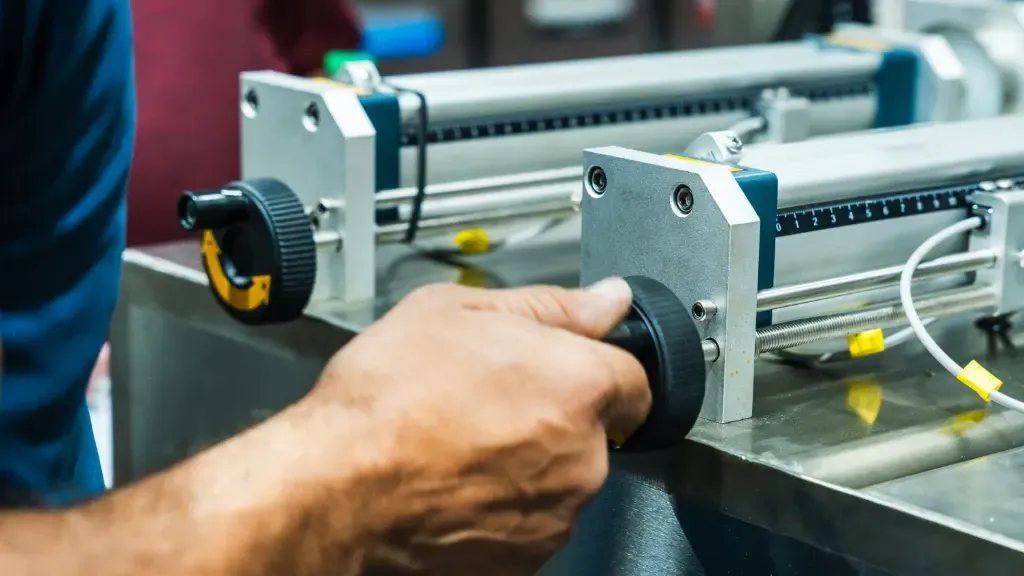
Contract manufacturing for private label brands gives a growing food company access to production equipment, process knowledge, and quality systems without building its own facility. The work typically moves from product requirements and confidentiality through formula review, test batches, production, packaging, and fulfillment. Understanding each handoff helps brand owners budget time, reduce rework, and choose a partner that can scale with demand.
Contact Co Packing Express to discuss your private label manufacturing process.
For a private label food brand, the manufacturer is more than a production vendor. The partner may help translate a recipe into repeatable specifications, coordinate ingredients and packaging, document quality checks, and prepare finished goods for retail, Amazon, or direct-to-consumer orders. The strongest projects define responsibilities early, before materials are purchased or a production date is reserved.
What Is Contract Manufacturing for Private Label Food Brands?
Contract manufacturing for private label food brands is an arrangement in which a brand hires an outside food manufacturer to produce goods to defined specifications. The brand controls the product requirements and commercial identity, while the manufacturer supplies the facility, equipment, labor, production controls, and agreed packaging or fulfillment services. The exact division of responsibility belongs in the project documents.
Private label and contract manufacturing are related, but they are not identical terms. Private labeling describes how a product is sold under a brand’s name. Contract manufacturing describes how the product is produced by a separate company. A private label brand may use an existing product concept, bring its own recipe, or develop a formula with a manufacturing partner.
That distinction matters during vendor selection. A catalog-based private label supplier may offer a limited set of ready-made products. A contract manufacturer serving food brands may instead work from a customer’s formula, ingredient requirements, package format, and process specifications. Ask which model the partner offers before assuming that a private label request includes custom formulation or exclusive production.
Co Packing Express serves private label and e-commerce food brands from St. Petersburg, Florida, with a focus on liquids, spices, and powders. Its integrated model can connect product development, co-packing, labeling, quality control, warehousing, logistics, and FBA/FBM preparation. Brands can review the company’s private labeling services when deciding how much of the product-development and brand-production workflow to outsource.
What Does the End-to-End Contract Manufacturing Process Look Like?
A contract manufacturing project usually follows a staged path: define the product, protect confidential information, confirm technical fit, develop or transfer the formula, test the process, finalize packaging and labels, schedule production, perform quality checks, and move finished goods into storage or distribution. Treating these as approval gates makes problems visible before they affect a full production run.
- Define the product brief: Document the product type, ingredients, target package, serving or fill size, expected volume, sales channels, desired launch window, and any customer requirements. Include product restrictions and materials the brand will provide.
- Protect confidential information: Execute an NDA before sharing proprietary recipes, formulas, supplier information, artwork, or other sensitive product details. Confirm who may access the information and how it may be used.
- Review technical fit: The manufacturer evaluates the product category, formula, ingredients, packaging, equipment, process controls, and anticipated batch size. A liquid sauce and a dry spice blend can require different handling, filling, and packaging decisions.
- Develop or transfer the formula: The brand supplies a measured formula and sample, or engages the manufacturer for formulation and scale-up support. Precise units and clear specifications are essential because small measurement differences can become significant in a large batch.
- Run a test batch: A test batch checks taste, texture, fill behavior, packaging fit, process timing, and the practicality of the proposed specifications. It also gives the manufacturer and brand a shared product reference before full production.
- Finalize the production file: Record the formula, ingredient and packaging specifications, label requirements, quality checkpoints, case configuration, tolerance, and sign-off responsibilities. The production file should be clear enough for the next run to follow.
- Schedule and produce: The manufacturer orders or receives materials, reserves production time, follows the agreed process, and records batch information. In-line checks help identify deviations while the product is still in production.
- Package and release: Finished goods are filled, sealed, labeled, packed into cases, palletized when needed, and checked against the release requirements. The product then moves to pickup, freight, warehousing, or a fulfillment workflow.
For food brands, the process also needs a regulatory workstream. The U.S. Food and Drug Administration’s FSMA preventive-controls guidance explains the broader food-safety framework for human food. A manufacturer should explain which controls, records, process reviews, and label responsibilities apply to the specific product instead of making a vague compliance promise.
Co Packing Express uses test batches, quality checks, process documentation, and production records as part of its service model. Its stated capabilities include 100-gallon liquid minimums, 400-pound dry-product minimums, and throughput of more than 5,000 units per hour. Those figures are planning inputs, not a substitute for a project-specific quote. Product fit, package format, ingredients, and schedule still need to be confirmed.
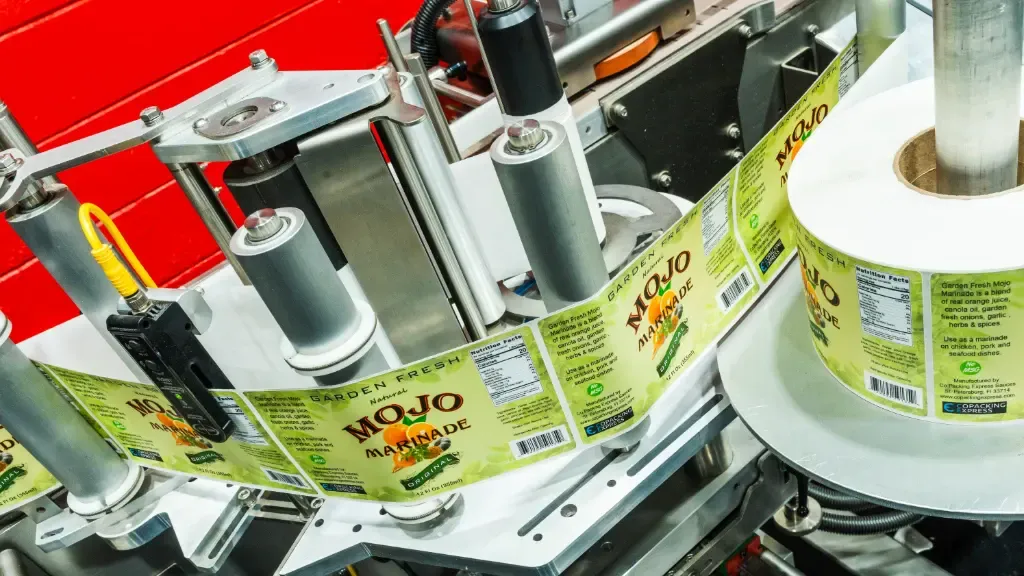
Recipe development and scale-up are separate from simply filling finished goods. If a brand has a kitchen recipe, the manufacturer may need to convert household measurements into controlled commercial specifications, evaluate ingredient sourcing, and test the process. Co Packing Express describes product development support for formulation, ingredient search, packaging development, and production preparation.
How Does NDA Protection Work in Private Label Contract Manufacturing?
An NDA, or non-disclosure agreement, sets rules for handling confidential business information before a brand shares proprietary product details. It should identify the protected information, limit permitted use, define who may receive it, address return or destruction of materials, and state how long confidentiality continues. An NDA supports trust, but it does not replace a complete manufacturing agreement.
Private label brands commonly need to protect more than a recipe. Sensitive information can include ingredient ratios, supplier names, processing conditions, packaging concepts, artwork, pricing assumptions, customer lists, launch plans, and product-development notes. Make an inventory of the information you plan to share so the agreement and the operating process cover the real risk.
Questions to settle before sharing a formula
- Who owns the original formula, later revisions, test-batch results, artwork, and production records?
- Can the manufacturer use the formula only to produce the brand’s goods?
- Which employees, contractors, laboratories, or suppliers can see confidential information?
- What happens to samples, files, labels, and unused ingredients if the relationship ends?
- How are changes to the formula or process requested, documented, and authorized?
- Does the agreement address non-use and confidentiality separately from product exclusivity?
Ownership and exclusivity should be written in the manufacturing agreement, not inferred from an NDA. A brand may own its formula while the manufacturer owns a pre-existing process, or both parties may contribute to a new formulation. The contract should say who can modify the product, who pays for development work, and whether another brand can receive a similar product.
Co Packing Express states that NDAs are part of its private label relationships and that client confidentiality is taken seriously. A practical next step is to ask for the NDA and manufacturing agreement early, then have qualified legal counsel review terms that affect intellectual property, exclusivity, liability, recalls, quality disputes, and termination.
Contact Co Packing Express to review your formula, packaging, and production requirements.
How Should You Select a Contract Manufacturer?
Select a contract manufacturer by matching its product capabilities and operating model to your brand’s actual requirements. Compare technical fit, quality controls, minimums, lead times, packaging, communication, confidentiality, fulfillment, and contract clarity. The right partner is not simply the one with the lowest quote; it is the one that can repeat the product reliably and explain every handoff.
| Evaluation area | What to confirm | Why it matters |
|---|---|---|
| Product fit | Liquid, dry, spice, powder, viscosity, ingredients, and process experience | Equipment and handling controls must suit the product |
| Batch size | Minimums, standard batch options, tolerance, and growth capacity | The project must work for both launch volumes and repeat demand |
| Quality system | Test batches, in-line checks, records, release steps, and deviation handling | Consistency is part of the brand experience |
| Packaging | Containers, labels, case packs, palletization, and retail-ready requirements | Packaging affects protection, cost, fulfillment, and launch timing |
| Fulfillment | Storage, freight coordination, FBA/FBM preparation, and direct shipping | Production is only complete when goods can reach the sales channel |
| Commercial terms | Quote assumptions, deposits, change orders, ownership, insurance, and cancellation terms | Clear expectations prevent disputes and unplanned cash needs |
Request a written explanation of what is included in the quote. One manufacturer may include ingredients, packaging procurement, labeling, and case packing. Another may require the brand to provide labels, containers, proprietary ingredients, or freight arrangements. Compare the total workflow and the responsibilities, not only the per-unit figure.
Quality control should be specific and observable. Ask how incoming materials are checked, how the formula is verified, which production points are monitored, how finished goods are released, and what happens when a result falls outside specification. Co Packing Express describes integrated quality checks and final product verification. Its quality control service page is a useful starting point for a requirements discussion.
Packaging and logistics deserve the same attention as the formula. A product can be manufactured correctly and still miss a launch if labels arrive late, case packs do not fit the sales channel, or finished inventory has nowhere to go. Confirm package specifications, label responsibilities, storage availability, shipping coordination, and whether the partner can prepare goods for the intended channel. Co Packing Express also provides packaging and assembly services and logistics and distribution support.
For brands selling on Amazon, FBA preparation may need its own checklist for labels, case configuration, carton requirements, and shipment readiness. A contract manufacturer that understands the product’s destination can reduce handoff errors. Co Packing Express offers FBA and FBM compliant preparation as part of its broader fulfillment model.
Finally, evaluate communication before signing. Identify the day-to-day contact, the person who can make production decisions, the update cadence, and the escalation path. A brand should know who signs off on the test batch, packaging proof, production release, and shipment. These details are operational safeguards, not administrative extras.
What Timeline and Lead Times Should You Expect?
Private label manufacturing timelines depend on product readiness, formula complexity, packaging availability, required process work, production capacity, and the sales-channel deadline. A new product generally takes longer than a repeat order because the first run includes technical review, testing, documentation, sourcing, and sign-off. Ask for a stage-by-stage schedule instead of a single launch-date promise.
| Stage | Typical timing question | Brand action |
|---|---|---|
| Discovery and fit review | When can the manufacturer confirm capability and assumptions? | Provide the product brief, formula, sample, volume, and target date |
| Formula and process work | What development, testing, or process review is required? | Return decisions quickly and keep one controlled specification |
| Materials and packaging | Which items have supplier lead times or minimum purchases? | Approve package format and release purchasing decisions on time |
| Test batch and sign-off | When can the sample be produced and reviewed? | Evaluate the product against written criteria, not memory |
| Production and release | When is the production slot available, and what releases the goods? | Confirm payment, shipping, storage, labels, and final instructions |
Co Packing Express states that new products may require approximately four to eight weeks, while repeat orders may require at least 20 business days after the deposit, depending on workload and materials. Test batches and process work can add time. These are planning ranges from the company’s operating information, not guaranteed delivery dates for every product.
Build a schedule backward from the date inventory must be available for sale. Include time for formula corrections, packaging procurement, label review, freight booking, receiving appointments, and a reasonable response window for both parties. Holiday demand and seasonal launches require additional notice because a production slot alone does not control supplier or carrier timing.
Repeat orders become easier when the first production file is complete. Save the final formula, packaging specifications, approved label version, case configuration, quality requirements, shipping instructions, and lessons from the first run. A repeat order should still receive quality checks, but it should not require the team to rediscover decisions that were already documented.
What Should a Private Label Brand Prepare Before Contacting a Manufacturer?
A prepared brand can receive a more useful feasibility review and quote because the manufacturer has the information needed to evaluate product fit. Before the first conversation, assemble a concise project brief with the product, formula, packaging, volume, channel, timeline, and responsibilities you expect the partner to handle.
- Product information: Product category, ingredients, allergen details, target flavor or texture, shelf-life objective, and a physical sample when available.
- Formula information: Measured units, version history, process notes, known sensitivities, and any proprietary ingredients or supplier requirements.
- Packaging information: Container type, fill size, label dimensions, case count, pallet needs, and whether the brand supplies any components.
- Volume information: First-run quantity, expected repeat volume, seasonal peaks, and realistic growth assumptions.
- Channel information: Retail, wholesale, Amazon, DTC, dropship, or another destination, including any packaging or shipment requirements.
- Business information: Target launch date, budget range, insurance and permit status, decision makers, and the timing of required approvals.
Be direct about what the facility can and cannot handle. Co Packing Express specializes in liquids, spices, and powders, but product restrictions and process requirements still need to be reviewed. Its stated scope excludes meat, poultry, fish, potable alcohol, and refrigerated or frozen products. Confirm fit before sending materials or planning a production run.
For Amazon-focused brands, the private label food brand launch guide for Amazon covers a different part of the journey. This process article focuses on the manufacturer relationship. Keep those workstreams connected, but do not assume marketplace planning replaces production specifications or quality documentation.
Frequently Asked Questions
Is contract manufacturing the same as private label manufacturing?
No. Contract manufacturing describes outsourcing production to a separate manufacturer, while private labeling describes selling a product under a brand’s name. A private label brand can use contract manufacturing for a custom formula, an existing product concept, or a broader production and fulfillment program.
Who owns the formula in private label contract manufacturing?
Formula ownership depends on the parties’ agreement and who created or contributed to the formula. Do not assume ownership from an NDA alone. Define ownership, permitted use, modifications, records, and exclusivity in the manufacturing contract before development work or production begins.
How long does private label food manufacturing take?
New private label food products often take longer than repeat orders because they require fit review, testing, packaging, documentation, and sign-off. Co Packing Express states a four-to-eight-week range for new products and at least 20 business days for repeat orders, subject to product and workload factors.
What is the difference between a co-packer and a contract manufacturer?
A co-packer may focus on filling, labeling, and packaging a product supplied in bulk. A contract manufacturer may produce the food from ingredients and a brand-specific formula, then package and prepare it for distribution. Many providers offer both models, so ask where their responsibility begins.
What should I ask a contract manufacturer before signing?
Ask about product fit, minimums, test batches, quality checks, ingredient and packaging responsibilities, label requirements, lead times, storage, freight, fulfillment, formula ownership, confidentiality, change orders, payment terms, and release procedures. Request the answers in writing so the quote and contract reflect the actual workflow.
Can a contract manufacturer support Amazon and DTC orders?
Some contract manufacturers can connect production with FBA/FBM preparation, warehousing, dropshipping, or direct shipping. Confirm the exact services, package and case requirements, storage capacity, and shipment process for each channel. Co Packing Express offers manufacturing, packaging, logistics, and FBA/FBM preparation for eligible food products.
Final Takeaway
Contract manufacturing gives private label brands a practical path from product concept to finished inventory, but the result depends on disciplined handoffs. Protect confidential information, define the formula and packaging, test before scaling, document quality requirements, and plan fulfillment before production begins. A partner such as Co Packing Express can help connect those stages for growing food brands that need liquids, spices, or powder production in a scalable operating model.