


Co-Packing Warehousing & Logistics for Food Brands

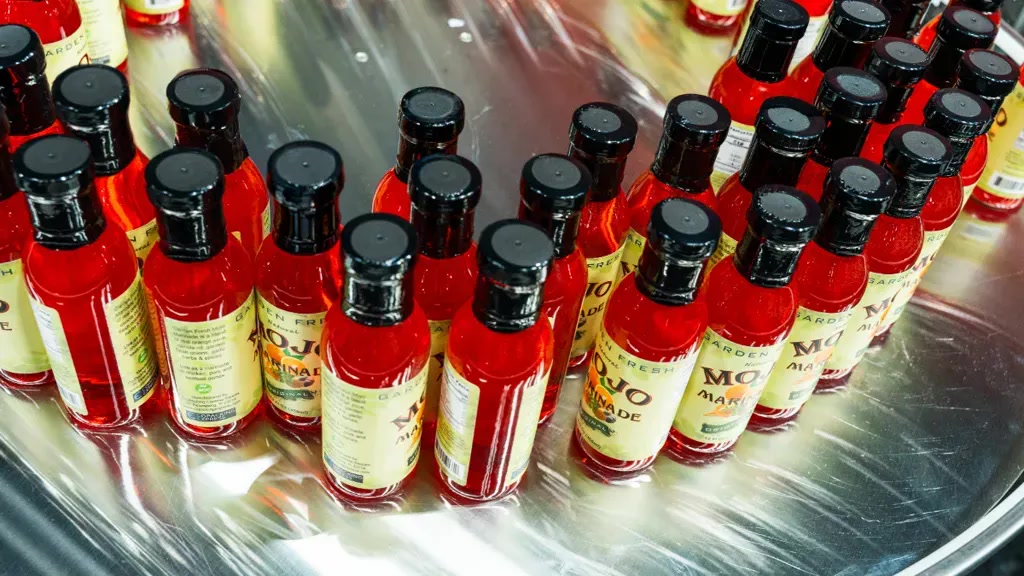
For a growing food brand, production is only one part of getting products to customers. The finished goods still need a reliable place to go, accurate inventory records, coordinated freight, and a clear delivery plan. Co-packing warehousing and logistics for food brands can connect those steps, reducing the handoffs between manufacturing, storage, and distribution. This guide explains what an integrated co-packer can provide and what to define before you move inventory into the workflow. For the broader channel strategy, review the Amazon FBA and private-label food manufacturing playbook.
Contact Co Packing Express to review warehousing and logistics for your food brand.
What Warehousing Services Do Co-Packers Provide for Food Brands?
Co-packers can provide finished-goods storage, inventory coordination, order preparation, and distribution readiness alongside production and packaging. The exact scope depends on the product, package format, order channels, and shipping plan. A useful partner makes the transition from a completed production run to an organized, shippable inventory clear rather than leaving the brand to coordinate every handoff alone.
For food brands, co-packer warehousing generally begins when a production run is completed and packaged. The partner receives the finished cases, records what arrived, and places the inventory into an organized storage workflow. When orders or shipping instructions are ready, the warehouse team can prepare the appropriate units or cases for the next step.
That service can include:
- Receiving packaged products from a completed co-packing run.
- Organizing cases and pallets so inventory is accessible.
- Maintaining inventory counts and communicating available stock.
- Preparing products for wholesale, e-commerce, marketplace, or distributor orders.
- Coordinating case configuration, labeling, palletization, and shipping readiness.
- Communicating when stock levels, packaging materials, or production timing may affect an order.
Co Packing Express describes its warehousing service as secure, flexible storage for short-term inventory management and distribution readiness. That matters for a brand that does not want a production run sitting in an unplanned garage, office, or overflow space while the team tries to arrange its next shipment. Learn more about food brand warehousing services and the storage workflow that supports the next stage.
How Does Inventory Management Work After Production?
Inventory management after production starts with a documented handoff: the brand and co-packer agree on what was produced, how it is identified, where it is stored, and how it will be released for shipment. This creates a shared operating record and helps prevent avoidable confusion when multiple SKUs, package sizes, sales channels, or production lots are involved.
Define the finished-goods handoff
Before the first transfer, confirm the product name, SKU, package size, case count, pallet configuration, lot information, and expected quantity. Food brands should also define who confirms the received quantity and how a discrepancy is reported. Co Packing Express uses an industry-standard production tolerance of plus or minus 10 percent, so the final production and inventory record should reflect the actual finished quantity rather than an assumption.
Separate products by SKU and release status
Inventory becomes easier to manage when every item has a clear identifier and status. A simple operating plan can distinguish products that are ready to ship, awaiting a brand instruction, reserved for a specific order, or held for review. This is especially important when a brand sells through its own store, Amazon, wholesale accounts, and promotional bundles at the same time.
Use a replenishment conversation, not a last-minute request
A co-packer can support a better production schedule when the brand shares expected demand, launch dates, seasonal changes, and channel commitments early. The goal is not to promise a particular sales result. It is to give the production and warehousing teams enough information to plan the next run, packaging materials, storage needs, and outbound shipments with fewer surprises.
For shelf-stable liquids, spices, and powders, the storage conversation should also cover the product’s handling requirements, packaging integrity, lot identification, and any brand-specific instructions. Detailed food storage and handling controls deserve their own review. This article focuses on the operational connection between production, inventory, and distribution.
How Do Co-Packers Coordinate Freight and Delivery?
Co-packers coordinate freight by aligning the finished inventory, shipment requirements, destination, carrier plan, and pickup timing before products leave the warehouse. The co-packer may prepare the order and shipping unit, while the brand, distributor, or carrier owns another part of the transportation process. The critical step is documenting who is responsible for each handoff.
A practical freight plan answers five questions:
- What products and quantities are being released?
- Are the units shipping as individual packages, cases, pallets, or a mixed order?
- Where is the shipment going, and who will receive it?
- Who books the carrier and provides the bill of lading or shipping instructions?
- Who confirms pickup, delivery, exceptions, damage, and short shipments?
These questions are simple, but skipping them can create delays. A production partner may have the finished cases ready while a carrier is waiting for a different pallet count. A brand may expect an order to go directly to a distributor while the instruction still lists an old destination. A marketplace shipment may require a different preparation workflow than a wholesale delivery.
Co Packing Express offers logistics and distribution support intended to move products from production to destination, locally and nationwide. Its logistics and distribution service is the appropriate starting point for discussing destinations, timing, and shipping responsibilities. For a brand selling through Amazon, marketplace-specific preparation should be planned separately with the FBA and FBM compliant services team.
What Is the Difference Between a Co-Packer, a 3PL, and an In-House Warehouse?
A co-packer combines manufacturing and packaging with selected warehousing or fulfillment support, a 3PL focuses on logistics operations, and an in-house warehouse keeps the work under the brand’s direct control. The best model depends on the brand’s production needs, order volume, internal staff, channel mix, and willingness to manage facilities and freight.
| Operating model | Where it is strongest | What the brand must coordinate |
|---|---|---|
| Integrated co-packer | Production, packaging, finished-goods handoff, storage, and selected distribution support | Product specifications, inventory rules, order instructions, and ownership at each shipping handoff |
| Third-party logistics provider | Storage, order processing, picking, packing, and carrier coordination after goods are produced | Movement from the manufacturer to the 3PL, product requirements, data flow, and replenishment timing |
| In-house warehouse | Direct control over inventory, staff, order priorities, and the facility | Facility costs, staffing, procedures, equipment, inventory accuracy, and carrier relationships |
The integrated co-packer model can be attractive when a brand wants fewer operational handoffs or is scaling beyond the space and staff it currently has. A separate 3PL may make sense when manufacturing is already established and the brand needs a dedicated distribution network. In-house storage may fit a company with the space, systems, and team to manage daily warehouse work.
The decision is not simply about choosing the lowest line-item storage rate. Compare the total workflow: receiving, case handling, inventory communication, order preparation, freight coordination, exception management, and the effort required to move information between vendors. A clear division of responsibility can be more valuable than a vague promise that a partner will handle everything.
How Does Co-Packing Integrate Warehousing and Manufacturing?
Integration works when production specifications, packaging decisions, storage instructions, inventory records, and shipping requirements are planned as one operating flow. Instead of treating warehousing as a separate task after manufacturing, the brand and co-packer decide before production how finished goods will be counted, stored, released, and delivered.
For a new SKU, the workflow may look like this:
- Plan the product: confirm the recipe or product specifications, package format, expected run size, and intended sales channels.
- Prepare the production run: coordinate ingredients, packaging components, labels, case configuration, and the production schedule.
- Complete quality and packaging checks: confirm the finished goods are packaged according to the approved specifications and ready for the next handoff.
- Receive into inventory: record the actual quantity, SKU, cases, pallets, lot details, and storage instructions.
- Release by channel: use written instructions to allocate products for wholesale, e-commerce, marketplace, or distributor orders.
- Coordinate delivery: align the shipment format, destination, carrier instructions, pickup, and delivery confirmation.
Co Packing Express supports the broader lifecycle through co-packing and packaging services, warehousing, logistics, and related fulfillment services. For the broader channel strategy, return to the Amazon FBA and private-label food manufacturing playbook. The value of that structure is visibility. A brand can discuss a product’s manufacturing and distribution needs with a partner that understands the package, case, and inventory context instead of restarting the conversation with a separate vendor.
Brands that sell shelf-stable liquids, spices, or powders should bring product-specific handling information into the planning conversation. Co Packing Express has a specialized focus on spices and powders, as well as liquid product production. It does not handle frozen or refrigerated products, meat, poultry, fish, potable alcohol, or tin cans, so confirming product fit at the start prevents wasted planning time.
What Costs Should Food Brands Clarify?
Food brands should ask for a complete scope of warehouse, handling, fulfillment, freight, production, and material costs rather than comparing storage space alone. A quote should make clear which activities are included, which are billed separately, and how the charges change when inventory, order volume, package formats, or shipping destinations change.
Ask the co-packer to explain these cost categories:
- Storage: the unit used to measure space, such as cases, pallets, or another agreed method.
- Receiving and handling: the work required to intake finished products, move them, and update records.
- Order preparation: picking, case assembly, labeling, kitting, or other preparation before carrier handoff.
- Freight coordination: carrier booking, pallet preparation, delivery appointments, and exception handling.
- Production and packaging: the separate costs tied to the product run, package format, materials, and complexity.
- Special requirements: product-specific storage, split batches, rush timing, or additional packaging work.
Do not assume that a low storage rate represents a low total operating cost. A brand may pay more overall if it must move products between a manufacturer, storage facility, packaging vendor, and fulfillment provider. Ask for a written view of the full path from production completion to the final delivery point.
Co Packing Express can discuss production and fulfillment requirements for brands of different sizes, including liquid and dry product minimums. A consultation should establish the product type, expected volume, package format, sales channels, storage duration, and delivery destinations before the parties compare options or build a production plan.
What Should a Food Brand Ask Before Choosing a Co-Packer?
Before choosing a co-packer, ask how the partner handles product fit, inventory ownership, storage, order instructions, freight responsibilities, communication, and growth in volume. The goal is to expose the operating details that affect delivery reliability, not just confirm that the partner offers warehousing or logistics as a service label.
- What product types and package formats does the facility support?
- How are finished goods received, counted, identified, and stored?
- What inventory information will the brand receive, and how often is it updated?
- Who releases inventory for each sales channel?
- Who prepares cases or pallets and who books the carrier?
- How are shortages, damage, delays, and delivery exceptions communicated?
- How does the workflow handle multiple SKUs, lots, package sizes, or kitting?
- What production, storage, and distribution capacity can support the brand as it grows?
- Which food-safety and handling procedures apply to the product?
- What is outside the partner’s service scope?
Co Packing Express is based in St. Petersburg, Florida and serves brands nationally, with a particular focus on food products, spices, powders, liquids, packaging, and fulfillment. Its flexible scheduling model can support brands that need to coordinate production and distribution around launch or replenishment timing. The full services overview can help a brand identify which parts of the lifecycle belong in the initial conversation.
Contact Co Packing Express to plan the warehousing and logistics flow for your food brand.
Frequently Asked Questions
Do all co-packers provide warehousing and logistics?
No. Some co-packers focus only on manufacturing and packaging, while others provide storage, fulfillment, or distribution coordination. Ask for the exact services included and document the point where the co-packer’s responsibility ends and the brand’s carrier, distributor, or 3PL responsibility begins.
Why combine co-packing and warehousing?
Combining the services can reduce handoffs between production and storage. The same partner may understand the product specifications, packaging format, case configuration, and production timing. The brand still needs clear inventory and shipping instructions, but it may spend less time coordinating separate vendors.
Can a co-packer ship to multiple sales channels?
Some can support multiple destinations or order types, but the workflow must be defined in advance. Discuss wholesale, e-commerce, distributor, and marketplace requirements separately because each channel may use different packaging, labeling, case, appointment, or carrier instructions.
What products can Co Packing Express support?
Co Packing Express focuses on shelf-stable food products, including liquids, spices, and powders, with co-packing, packaging, warehousing, logistics, and fulfillment support. Product fit should be confirmed before planning. The company does not handle frozen or refrigerated products, meat, poultry, fish, potable alcohol, or tin cans.
How should a brand start the conversation?
Prepare the product type, package format, expected volume, sales channels, storage needs, destinations, and target timing. Then ask the co-packer to explain the production, inventory, warehousing, and delivery handoffs. A focused operating discussion makes it easier to identify the right service scope and next steps.
Contact Co Packing Express to discuss production, warehousing, and logistics for your food brand.