


What Are Food Grade Warehousing Requirements? A Guide

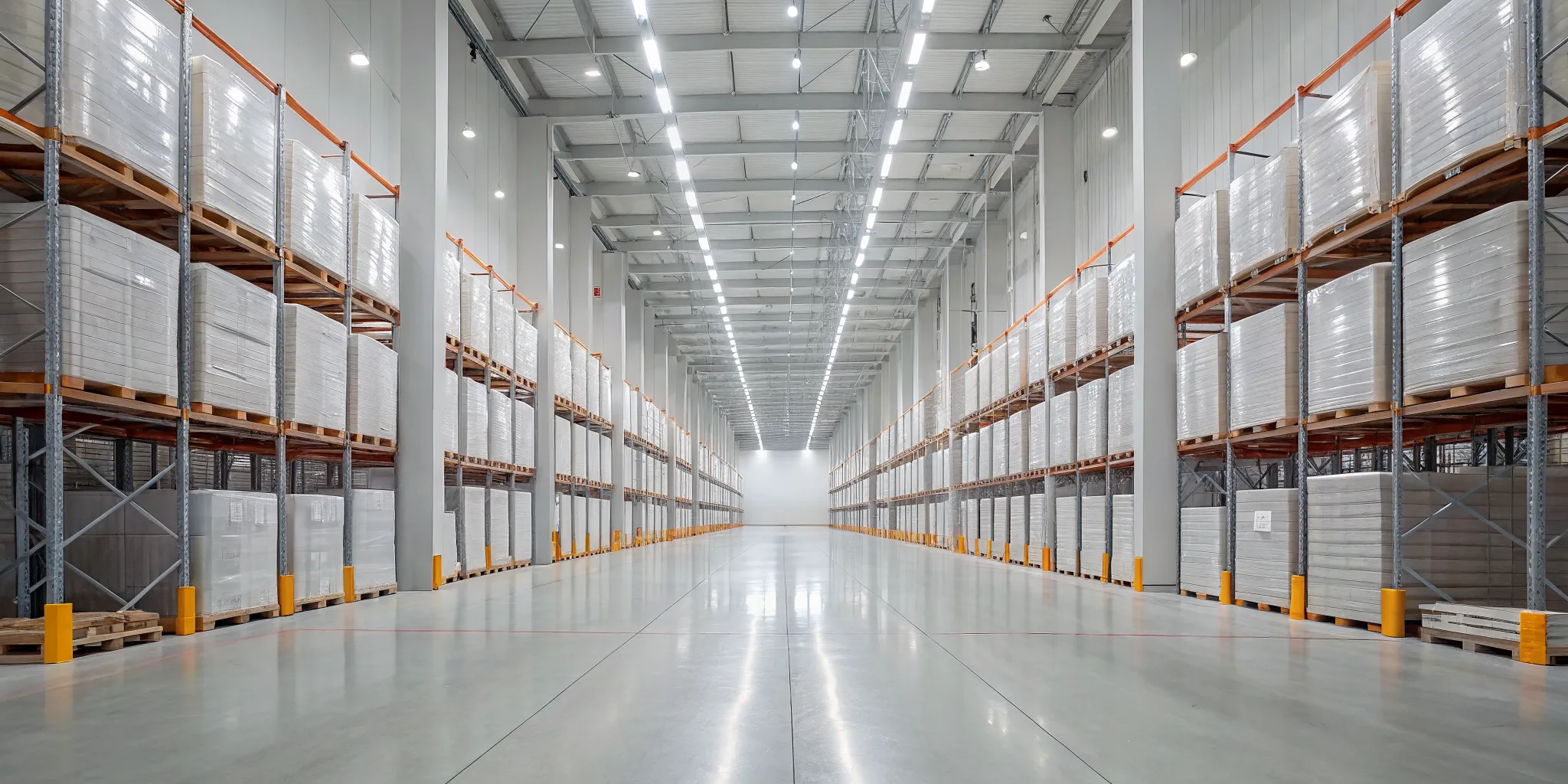
If you’re in the business of selling spices, powders, or other dry goods, you know that their quality is fragile. Moisture can cause clumping, heat can diminish flavor, and improper handling can lead to cross-contamination. These products demand a storage environment that actively protects their integrity. A standard warehouse simply won’t do. You need a partner who understands the unique challenges of your inventory and has the systems in place to manage them. This is why knowing what are food grade warehousing requirements is so crucial for your niche. We’ll explore the specific controls for temperature, humidity, and sanitation that are essential for keeping spices and powders fresh, potent, and safe for your customers from the moment they arrive at our facility.
Key Takeaways
- Food grade standards are a legal necessity, not a choice: Any facility handling food must meet strict FDA regulations for sanitation, pest control, and climate management. Partnering with a compliant warehouse is the first step in protecting your business from legal action and ensuring your products are safe for consumers.
- Traceability systems are your safety net: Practices like FIFO (First-In, First-Out) inventory and lot tracking are essential for food safety. These systems maintain product freshness, reduce waste, and allow for precise, targeted action in the event of a recall, saving you from widespread financial loss and brand damage.
- Vet partners by looking for transparency and proof: A trustworthy warehousing partner will welcome a facility tour and openly share their certifications, like HACCP or SQF, and documentation. Red flags include any hesitation to show you their operations, disorganized spaces, or incomplete records, which signal a potential risk to your products.
What Is a Food Grade Warehouse?
When you’re in the business of selling food, you can’t store your products just anywhere. A food grade warehouse isn’t simply a storage space; it’s a facility specifically designed and maintained to keep food products safe for consumption. The term “food grade” means that everything from the building materials to the equipment and cleaning supplies meets strict regulations for handling and storing food. It’s a commitment to safety that protects your products, your customers, and your brand.
These specialized facilities are built to manage a variety of storage needs. Whether your products require ambient (room temperature), refrigerated, or frozen conditions, a food grade warehouse is equipped to maintain the perfect environment. This level of control is what separates a basic storage unit from a professional warehousing partner. For any business dealing with consumables, especially sensitive items like spices and powders, understanding these standards is the first step toward building a secure supply chain.
How It Differs From a Standard Warehouse
It’s easy to think a warehouse is just a warehouse, but that’s a common mistake. A standard warehouse might be perfect for storing electronics or furniture, but it lacks the specific controls needed for food. Food grade warehousing involves a much higher standard of care. This includes rigorous pest control programs, documented sanitation schedules, and teams trained in food safety protocols.
These facilities also maintain precise, product-specific storage conditions to prevent spoilage and contamination. They are subject to regular audits and must provide detailed documentation to prove compliance with food safety regulations. This commitment to quality control is the fundamental difference, ensuring that every item stored is handled with the utmost care from the moment it arrives until it ships out.
Do You Need a Food Grade Warehouse?
If your business manufactures, processes, distributes, or sells any type of food product, the answer is a clear and simple yes. Using a food grade warehouse isn’t just a best practice; it’s a legal requirement to protect product integrity and comply with federal regulations. These facilities are essential for preventing foodborne illnesses and ensuring your products reach customers in the same condition they left your production line.
Proper temperature control, thorough sanitation, and strict employee hygiene are non-negotiable standards in a food grade environment. This is especially true for products like spices and powders, which are highly susceptible to moisture and contamination. Partnering with a food grade warehouse protects you from costly recalls, legal issues, and damage to your brand’s reputation. It’s a critical investment in the safety and success of your business.
Essential FDA Regulations and Certifications
When you entrust your products to a warehousing partner, you’re also trusting them with your brand’s reputation. Dealing with food safety regulations can feel complex, but it all comes down to one thing: ensuring your products are safe for your customers. The FDA and other organizations have set clear standards for any facility that stores, packs, or ships food. Understanding these key regulations and certifications is the first step in finding a partner who prioritizes safety. It helps you ask the right questions and verify that their practices align with federal law and industry best practices. Think of these certifications not as red tape, but as a clear signal that a facility is committed to excellence. A partner who openly shares their certifications is showing you they take their role in your supply chain seriously. This transparency is crucial, as their operations directly impact your product’s integrity from the moment it arrives at their dock to when it ships to your customer.
FDA Food Safety Modernization Act (FSMA)
The FDA Food Safety Modernization Act, or FSMA, marked a major shift in how the government approaches food safety. Instead of just reacting to contamination after it happens, the focus is now on preventing it in the first place. For a food grade warehouse, this means having proactive systems in place to stop problems before they start. This includes strict sanitation schedules, documented employee hygiene protocols, and precise temperature and humidity controls. When you’re vetting a partner, ask them how they comply with FSMA requirements. Their answer will tell you a lot about their commitment to preventative food safety and protecting your products.
FDA Food Facility Registration
Think of this as the absolute baseline for any food grade warehouse. Every facility that manufactures, processes, packs, or holds food for consumption in the United States must register with the FDA. This registration confirms that the facility is on the FDA’s radar and is subject to inspection to ensure it meets federal safety standards. It’s a non-negotiable requirement. A facility without a current FDA registration isn’t legally allowed to handle your products. This is one of the easiest things to verify and should be at the top of your checklist when evaluating partners, as it’s a fundamental part of their quality control system.
HACCP Certification
HACCP stands for Hazard Analysis and Critical Control Points. It’s a systematic, science-based approach to food safety that identifies potential hazards and puts controls in place to manage them. Instead of just inspecting the final product, a HACCP-certified facility analyzes its entire process to find “critical control points” where physical, chemical, or biological contamination could occur. This is especially important when handling sensitive products like spices and powders, which can be susceptible to moisture or cross-contamination. A partner with HACCP certification has a proven framework for identifying and mitigating risks every step of the way.
SQF Certification
If you see that a warehouse has a Safe Quality Food (SQF) certification, you know you’re dealing with a top-tier operator. SQF is a globally recognized food safety and quality program that is often seen as a step above standard requirements. Achieving this certification is a rigorous process that demonstrates a deep commitment to maintaining the highest standards throughout the supply chain. It shows that a facility has a comprehensive food safety management system in place that is audited regularly. For you, it provides an extra layer of confidence that your products are being handled with the utmost care and professionalism across all services.
USDA Requirements
While the FDA oversees most food products, the U.S. Department of Agriculture (USDA) sets specific guidelines for handling meat, poultry, and egg products. If your products fall into these categories, your warehousing partner must comply with USDA regulations. Even if you don’t sell these items, a facility that meets USDA standards is a good sign. These regulations often involve stringent sanitation, temperature control, and segregation protocols to prevent spoilage and contamination. A partner that is equipped to meet these demanding requirements likely has robust systems in place that benefit all the products in their warehousing facility.
Core Requirements for Food Grade Warehousing
When we talk about food grade warehousing, we’re not just talking about a clean space. We’re referring to a facility that meets a strict set of standards designed to keep food products safe from contamination and spoilage. These requirements are the bedrock of a secure supply chain, ensuring that from the moment your products arrive to the moment they ship out, their integrity is protected. Think of it as the difference between a standard storage unit and a professional kitchen. Both hold things, but only one is built for safely handling food. Proper warehousing is a non-negotiable part of the process.
These core requirements aren’t just suggestions; they are often mandated by regulations like the FDA’s Food Safety Modernization Act (FSMA). They cover every aspect of the storage environment to create multiple layers of protection for your products. This includes the physical design of the building, rigorous cleaning schedules, proactive pest control, precise climate management, and thorough employee training. Each element works in concert with the others to create a system where safety is the default. For any business in the food industry, partnering with a warehouse that lives and breathes these standards is essential for protecting your inventory, your customers, and your brand’s reputation.
Facility Design and Construction
A food grade warehouse is built for safety from the ground up. The physical structure itself is the first line of defense against contamination. This means surfaces are non-porous and easy to clean, preventing bacteria from finding a place to hide. Floors are designed with proper drainage to stop water from pooling, and the building has adequate ventilation to control moisture and prevent mold growth. It’s all about creating an environment that is actively hostile to contaminants. The layout also ensures a logical flow for receiving, storing, and shipping, which minimizes the risk of cross-contamination between different types of products.
Sanitation and Cleaning Protocols
A clean appearance isn’t enough; a food grade warehouse must follow documented sanitation protocols. This involves having a detailed master sanitation schedule that outlines what needs to be cleaned, how it should be cleaned, how often, and who is responsible. Regular inspections and verification checks ensure these tasks are completed correctly. It’s a systematic approach that leaves nothing to chance. These rigorous cleaning procedures are a core part of maintaining quality control and proving that the facility is consistently meeting food safety standards. Everything is recorded, creating a clear and defensible history of cleanliness.
Pest Control Measures
Pest control in a food grade facility is a proactive, continuous process, not a reactive one. A comprehensive pest management program is absolutely essential. This goes beyond setting a few traps. It includes sealing potential entry points in the building, maintaining clean interior and exterior areas to remove potential food sources, and working with licensed pest control professionals for regular monitoring and treatment. Detailed records of all pest control activities, including inspections and any actions taken, are meticulously kept. This robust system is critical for preventing contamination and ensuring the safety and integrity of the stored food products.
Temperature and Humidity Control
Maintaining the right environment is crucial for preventing spoilage and inhibiting microbial growth. Food grade warehouses use advanced climate control systems to keep temperature and humidity levels within specific, safe ranges. This is especially important for sensitive items like spices and powders, which can clump, degrade, or lose their potency if exposed to excess moisture. The facility must be able to not only maintain these conditions but also monitor them continuously. Data loggers track the environment 24/7, and alarm systems are in place to alert staff immediately if conditions fall out of the required range, allowing for swift corrective action.
Employee Hygiene and Training
Even the best facility is only as good as the people working in it. That’s why rigorous employee hygiene standards and ongoing training are fundamental. All team members must be trained on proper food handling practices, personal cleanliness, and Good Manufacturing Practices (GMPs). This includes protocols for hand washing, wearing appropriate clothing or protective gear, and understanding their role in preventing contamination. Regular refresher courses ensure this knowledge stays top of mind. Documenting all training sessions is also a key requirement, as it demonstrates a commitment to building a strong food safety culture from within the team.
How Food Grade Warehouses Ensure Food Safety
Meeting food grade standards is more than just having a clean facility. It’s about implementing a comprehensive safety system where every process is designed to protect your products from contamination and spoilage. A reliable warehousing partner integrates these practices into their daily operations, ensuring your inventory is always safe, compliant, and ready for your customers. From the moment your products arrive until they ship out, these specific measures are what make a warehouse truly food grade.
Separating Food from Non-Food Items
One of the most fundamental rules in a food grade warehouse is keeping food products completely separate from non-food items. This means things like cleaning supplies, chemicals, pesticides, or any other non-food materials are stored in a designated, isolated area. This strict separation prevents accidental spills, leaks, or airborne contaminants from reaching your inventory. Following guidelines from the FDA and adhering to current Good Manufacturing Practices (cGMP) is not optional; it’s essential for preventing contamination. A dedicated warehousing provider builds their facility and processes around this principle to eliminate any risk of cross-contamination from the start.
Preventing Allergen Cross-Contamination
For many food businesses, managing allergens is a top priority. A food grade warehouse must have strict protocols to prevent cross-contamination between products containing different allergens, like nuts, dairy, soy, or gluten. This involves more than just putting them on different shelves. It requires dedicated storage zones, clear labeling on all pallets and racks, and specific handling procedures to ensure that an employee handling a product with peanuts doesn’t then handle a peanut-free product without proper sanitation. These measures are critical for consumer safety and for protecting your brand from the serious consequences of an allergen-related incident.
Following Packaging and Labeling Rules
The term “food grade” extends to every material that comes into contact with your products. This means all packaging, from bags and pouches to bottles and jars, must be certified as safe for food contact. A qualified partner will ensure that only approved packaging and assembly materials are used for your goods. Furthermore, accurate labeling is a legal requirement. Labels must clearly list ingredients, nutritional information, and allergen warnings. A food grade warehouse ensures that all products are correctly labeled before they are stored or shipped, which is a key part of maintaining compliance and ensuring consumer trust.
Keeping Detailed Records
Meticulous record-keeping is the backbone of food safety and traceability. A food grade warehouse maintains detailed logs for every product that enters and leaves the facility. This includes tracking lot numbers, expiration dates, and storage conditions. This documentation creates a clear chain of custody, allowing for quick and precise action if a problem arises. Should a product need to be recalled, these records make it possible to identify and isolate the affected batches immediately, preventing them from reaching consumers. This level of quality control is your safety net, protecting both your customers and your business.
Mastering Inventory and Traceability
Beyond clean shelves and perfect temperatures, true food safety lies in knowing exactly what you have and where it’s been. This is where inventory management and traceability come into play. Think of it as the central nervous system of your warehousing operation. These systems are not just about organization; they are fundamental for ensuring product quality, reducing waste, and protecting your brand and your customers. Having a solid plan for inventory and traceability shows you’re running a professional operation that’s prepared for anything.
Using the FIFO (First In, First Out) Method
The FIFO method is a simple but powerful rule for inventory management. It means the first products that arrive at the warehouse are the first ones to be shipped out to customers. For food products with expiration dates, this practice is essential. It ensures that older stock is used before newer stock, which keeps your products fresh and significantly reduces the risk of spoilage and waste. Following a strict FIFO system helps you maintain product quality, keep customers happy with fresh goods, and protect your bottom line from losses due to expired inventory. It’s a foundational practice for any business dealing with perishable items.
Implementing Lot Tracking Systems
Imagine being able to trace a single jar of spice back to the exact day it was produced and the specific batch of ingredients used. That’s the power of a lot tracking system. Every batch, or “lot,” of products is assigned a unique number that follows it from production to the customer. This level of detail is the backbone of traceability. If a quality issue ever arises, you can use the lot number to pinpoint the exact products affected without having to pull your entire inventory. This precision is a core component of a robust quality control process, saving you time, money, and stress.
Preparing for Emergencies
No one wants to think about a product recall, but being prepared for one is the best way to protect your business. This is where your FIFO and lot tracking systems truly prove their worth. In an emergency, these tools allow you to act quickly and precisely. Instead of a chaotic, widespread recall, you can execute a targeted one, isolating only the affected batch. This swift action minimizes financial damage and, more importantly, shows your customers that you are responsible and in control. Having a partner who understands the complexities of logistics and distribution is critical for managing these situations smoothly and maintaining customer trust.
What Happens When a Warehouse Fails to Meet Standards?
Choosing a warehousing partner is a huge decision, and the stakes are especially high when you’re dealing with food products. When a warehouse doesn’t meet strict food grade standards, the fallout isn’t just a minor inconvenience. It can create serious problems that affect your entire business, from your legal standing to your bottom line. These issues can halt operations, drain your finances, and undo years of hard work building your brand. Understanding these risks is the first step in protecting your business and ensuring your products are always safe for your customers. Let’s break down exactly what can happen when standards slip.
Legal Penalties and FDA Actions
The Food and Drug Administration (FDA) doesn’t take food safety lightly. If your warehousing partner fails to comply with regulations, they can face serious legal consequences that directly impact your business. This can include hefty fines, mandatory facility closures, and other regulatory actions that halt your operations completely. The FDA has the authority to inspect facilities, and if they find violations, they will act to protect public health. This makes it critical to partner with a warehouse that not only understands but rigorously follows all FDA requirements for food storage. Your business is on the line, so ensuring your partner is compliant isn’t just good practice; it’s essential for survival.
Costly Recalls and Financial Hits
A single food safety failure at a warehouse can trigger a product recall, which is one of the most financially damaging events a food brand can experience. Recalls involve pulling your products from shelves, managing reverse logistics, and losing all the inventory you have to destroy. Beyond the immediate loss of product, you’ll face the costs of notifying the public and managing the recall process. This can disrupt your entire supply chain and bring your sales to a grinding halt. These financial hits can be devastating, especially for growing businesses. Implementing strict quality control measures with your partner is a key defense against these costly and stressful situations.
Damage to Your Brand’s Reputation
While legal and financial penalties are severe, the damage to your brand’s reputation can be the hardest to overcome. It takes years to build customer trust, but it can be lost in an instant. A food safety incident linked to poor warehousing can permanently tarnish your brand’s image. In an age where news spreads quickly online, a single recall or contamination report can reach thousands of potential customers and destroy their confidence in your products. Rebuilding that consumer trust is a long, uphill battle. Protecting your reputation starts with choosing a warehousing partner who treats your products with the same care and attention to safety that you do.
Storing Spices and Powders: What to Know
Spices and powders might seem more stable than fresh produce, but they come with their own set of storage rules. Their value is in their flavor, color, and aroma, all of which can degrade quickly if they aren’t stored correctly. The main threats aren’t just spoilage but also a loss of potency that can make your product fall flat. Proper storage is non-negotiable for maintaining the quality your customers expect. That’s why working with a partner who understands the specific needs of dry goods is so important for protecting your inventory.
When you’re dealing with products where the sensory experience is everything, you can’t afford to get it wrong. From preventing caking in your garlic powder to preserving the vibrant red of your paprika, every detail matters. A specialized warehouse environment addresses these vulnerabilities head-on, ensuring that the product you spent so much time developing reaches your customers exactly as you intended. Unlike general warehousing, storing dry goods requires a deep understanding of how environmental factors can impact shelf life and quality. It’s a science that balances temperature, humidity, and light exposure to create the perfect conditions. Without these controls, you risk not only financial loss from spoiled inventory but also damage to your brand’s reputation.
The Challenges of Storing Dry Goods
Storing dry goods like spices and powders presents unique hurdles. The biggest challenge is preventing degradation from their primary enemies: moisture, heat, light, and air. Moisture causes clumping and caking, making your product unusable and creating a breeding ground for mold. Heat and light break down the volatile oils that give spices their distinct flavor and aroma, leaving you with a bland, faded powder. On top of that, many spices easily absorb odors from nearby products, which can alter their intended flavor profile. Our specialized services for spices and powders are designed to manage these exact issues, ensuring your product’s quality is protected from start to finish.
Controlling Moisture, Temperature, and Odors
The key to keeping spices and powders fresh is a strictly controlled environment. A food grade warehouse must maintain consistent, cool temperatures and low humidity to prevent moisture from causing clumps or activating mold growth. According to food safety standards, proper temperature control and sanitation are essential. Spices should be stored in a dark area away from direct sunlight, which can bleach their color and diminish their potency. It’s also critical to separate aromatic spices from other goods to prevent odor cross-contamination. A dedicated warehousing partner will have designated zones and protocols to ensure your paprika doesn’t end up smelling like coffee beans.
Maintaining Packaging Integrity
Your product’s packaging is its first line of defense, so keeping it intact is a top priority. A food grade warehouse must have procedures to protect containers from being punctured or damaged during handling and storage, along with a robust pest control program to prevent contamination. The packaging materials themselves must also be food-safe and create an effective barrier against moisture and air. Beyond the physical container, maintaining integrity also involves inventory management. Using methods like FIFO (First-In, First-Out) and detailed lot tracking ensures that older products are sold first and that any issues can be traced to a specific batch. Our packaging and assembly services ensure your products are secure from day one.
How to Choose the Right Warehousing Partner
Finding the right warehousing partner is one of the most important decisions you’ll make for your food business. This isn’t just about finding a place to store your inventory; it’s about trusting someone with your product’s safety and your brand’s reputation. A great partner acts as an extension of your team, ensuring your products are handled with care from the moment they arrive until they reach your customer. To find that perfect fit, you need to know what to look for and which questions to ask.
Questions to Ask a Potential Partner
When you’re vetting a potential partner, think of it like a job interview. You need to be sure they have the right qualifications. Don’t be shy about asking detailed questions. Start with the basics: Can you tour the facility? A transparent partner will be happy to show you around. While you’re there, or during your call, ask about their processes. How do they prevent cross-contamination? What kind of inventory management system do they use to track your products?
It’s also important to understand their communication style. Ask how they handle issues and how quickly you can expect a response. Finally, consider your future needs. Find out if they offer other services like kitting or distribution, which can simplify your operations as you grow.
Red Flags to Look Out For
Just as there are green flags, there are also clear warning signs that a warehouse isn’t up to par. If a potential partner is hesitant to let you tour their facility or won’t share their documentation, consider that a major red flag. During a tour, look for obvious signs of neglect, like disorganized storage, dirt and debris, or evidence of pests.
Other red flags can be more subtle. Ask about their staff training. If employees seem unsure about food safety rules, it suggests a lack of proper training. Inconsistent temperature logs and incomplete records are also serious warning signs. These aren’t just minor slip-ups; they point to a systemic failure to follow critical safety protocols that could put your products and your business at risk.
How Co-Packing Express Can Help
We know that choosing a partner is a big deal, and we’re here to make that decision easy. At Co-Packing Express, we’ve built our warehousing services around the core requirements of food safety. Our facility is meticulously clean, with strict sanitation protocols and robust pest control measures in place. We use modern inventory management systems to ensure your products are always accounted for and handled correctly.
Our team receives ongoing training to stay current on all safety procedures. We specialize in handling delicate products like spices and powders, which require precise temperature and humidity control. We don’t just store your products; we protect them as if they were our own, giving you the peace of mind to focus on growing your brand.
Frequently Asked Questions
I’m just starting my food business. Is a food grade warehouse necessary right away? Yes, absolutely. Using a food grade warehouse is a legal requirement from day one, not a luxury you can wait to afford. Think of it as a foundational investment in your brand’s safety and reputation. Starting with a compliant partner ensures your products are protected from the very beginning, which helps you avoid costly mistakes, legal issues, and recalls that could stop your business before it even gets off the ground.
My products are already sealed in their packaging. Why does the warehouse environment matter so much? While your packaging is the first line of defense, it isn’t invincible. A standard warehouse lacks the pest control to prevent rodents or insects from damaging your containers. It also won’t have the climate control needed to protect your products from heat or humidity, which can cause spoilage, clumping, or loss of flavor even through sealed packaging. A food grade facility provides a secure secondary environment that protects the integrity of both your product and its packaging.
You mentioned several certifications. Is one more important than the others? FDA registration is the absolute baseline; a facility cannot legally store food without it. Beyond that, certifications like HACCP or SQF are strong indicators of a partner’s commitment to safety. These aren’t just pieces of paper; they represent a proactive system for identifying and preventing food safety risks. A facility that invests in these higher-level certifications is showing you they are serious about protecting your products and your brand.
How does a warehouse prevent my spice blend from tasting like someone else’s product? This is a great question, as odor cross-contamination is a major risk for aromatic products like spices. A specialized warehouse prevents this by implementing strict separation protocols. This includes storing highly aromatic items in designated zones, away from other goods. They also ensure proper ventilation and use secure, non-porous packaging to contain strong scents. It’s a detailed process that ensures your paprika tastes like paprika, not coffee or another customer’s product.
What’s the first step I should take when evaluating a potential warehousing partner? Your first step should always be to ask for a tour of their facility. A transparent partner will be proud to show you their operations. During the visit, pay attention to cleanliness, organization, and whether employees are following hygiene rules. This simple walkthrough will tell you more about their commitment to safety than any sales pitch. If a company is hesitant to let you see their space, that’s a significant red flag.