


Outsourced Food Product Warehousing: A Guide

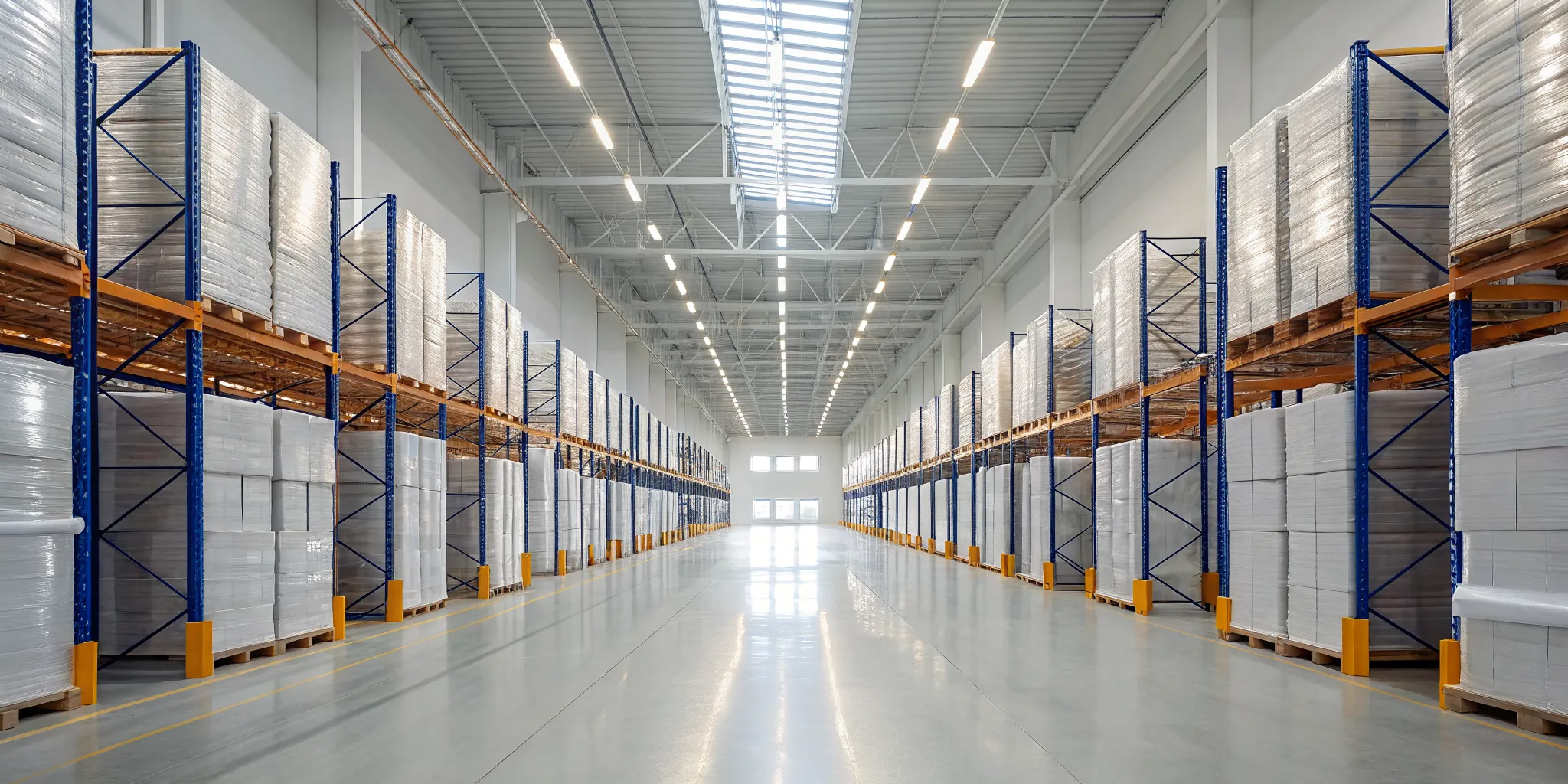
Storing food products isn’t like storing t-shirts. The stakes are incredibly high, with a complex web of regulations from the FDA and USDA governing everything from temperature control to pest management. A single misstep in compliance can lead to hefty fines, forced recalls, and irreparable damage to your brand’s reputation. This is why many businesses turn to outsourced food product warehousing. By entrusting your inventory to a certified, food-grade facility, you gain more than just shelf space; you gain peace of mind. You’re partnering with a team whose entire job is to master these regulations, ensuring your products are handled with the highest standards of safety and quality control.
Key Takeaways
- Treat Outsourcing as a Financial Decision: Instead of tying up capital in leases, equipment, and staff, partnering with a 3PL converts those large fixed costs into a single, manageable operational expense. This frees up your budget for product development and marketing.
- Verify Food Safety Credentials Beyond the Basics: A reliable partner will have more than just an FDA registration; look for advanced certifications like SQF and a documented HACCP plan. This ensures they are proactive about protecting your products, especially sensitive items like spices and powders.
- Manage the Partnership for Long-Term Success: A successful relationship relies on clear communication and shared goals. Set performance metrics from the start, schedule regular check-ins, and make sure your partner can scale with your business to create a seamless extension of your team.
What Is Outsourced Food Warehousing?
Outsourced food warehousing is when you partner with a third-party logistics (3PL) provider to handle the storage and management of your food products. Think of it as hiring a specialist who lives and breathes food safety regulations and efficient storage so you can focus on growing your business. These specialized facilities are built to meet strict standards, ensuring your products, whether they are spices, powders, or packaged goods, are kept in conditions that preserve their quality and safety from the moment they arrive until they ship to a customer. Instead of you having to become an expert in food-grade storage, you can lean on a team that already is.
As your business expands, managing your own storage can quickly become a major headache. This is where a dedicated partner comes in. By handing over your storage and fulfillment needs, you can streamline your operations and get back to what you do best: creating incredible products. A good partner offers comprehensive warehousing solutions that are designed to grow with you, providing the support and infrastructure you need without the massive upfront investment. It’s a strategic move that allows you to leverage professional expertise and robust systems to keep your supply chain running smoothly, all while avoiding the high costs and complexities of building and managing your own facility.
In-House vs. Outsourced Warehousing
Trying to manage all your warehousing in-house might seem like the most direct approach, but it often comes with hidden complexities. You’re not just storing boxes; you’re managing intricate logistics, allocating staff and resources, and staying on top of ever-changing food safety rules. For many businesses, these operational bottlenecks can slow down growth. Outsourcing your warehouse logistics lets you sidestep these challenges. Instead of getting bogged down in the details of storage and fulfillment, you can rely on a provider whose entire business is built around doing it efficiently. This allows you to tap into their expertise and technology, freeing up your team to focus on product development and marketing.
Who Needs Outsourced Food Warehousing?
Outsourcing is a smart move for any business feeling the growing pains of success or hitting operational walls. If you’re constantly struggling to find enough storage space, manage inventory accurately, or fulfill orders on time, it’s probably time to consider a partner. A 3PL provider gives you the flexibility and scalability to handle increasing demand without having to lease more space or hire more people. This is especially helpful for businesses with seasonal peaks. Partnering with an expert in logistics and distribution can also lead to significant cost savings, helping you run a leaner, more efficient operation.
The Hidden Costs of In-House Food Warehousing
Managing your own warehouse might seem like the best way to keep your products close and maintain control. But what starts as a simple storage solution can quickly become a major drain on your time and money. The monthly rent is just the beginning. The true cost of in-house food warehousing lies in the details: the complex regulations, the expensive equipment, the staffing headaches, and the constant risk management. These hidden expenses can quietly eat away at your profit margins and pull your focus from what you do best, which is creating great products.
Before you sign a lease on a warehouse space, it’s important to understand the full picture. You’re not just renting four walls; you’re taking on the responsibility of running a secure, compliant, and efficient logistics operation. This includes everything from navigating food safety laws to handling seasonal inventory spikes. Partnering with a dedicated warehousing provider can help you avoid these operational hurdles and financial surprises, letting you focus on growing your business instead of managing a warehouse. Let’s break down some of the most significant costs you might not see coming.
Food Safety and Compliance Demands
When you’re storing food products, you can’t just use any available space. Food-grade warehouses are held to incredibly high standards by agencies like the FDA. Meeting these requirements isn’t a one-time task; it’s an ongoing commitment. You’ll need to create and maintain extensive documentation, prepare for frequent inspections, and stay current with ever-changing food safety laws. A single compliance failure can result in hefty fines, forced recalls, or even a complete shutdown of your operations. Ensuring top-notch quality control is a full-time job, and the stakes are simply too high to cut corners.
Infrastructure and Overhead Costs
The most obvious cost of an in-house warehouse is the lease, but the overhead expenses add up quickly. You’ll need to invest in specialized equipment like forklifts and pallet jacks, industrial-grade shelving, and a robust security system. Then there are the utility bills, which can be substantial if your products require temperature or humidity control. On top of that, you need a warehouse management system to track inventory and staff to run the entire operation. The complexities and resource requirements associated with managing these logistical services internally often present significant challenges for growing businesses.
Scaling Challenges with Seasonal Demand
Does your business experience busy seasons and slower periods? If you manage your own warehouse, this fluctuation can create major problems. During your slow season, you’re paying for empty, unused space. When demand surges, you might find yourself running out of room, leading to disorganized inventory and fulfillment delays. This lack of flexibility creates operational bottlenecks that can prevent you from seizing growth opportunities. An effective logistics and distribution strategy needs to be agile enough to scale up or down with your sales cycle, something a fixed warehouse space just can’t offer.
Pest Control and Contamination Risks
A food-grade warehouse must be impeccably clean, inside and out. This goes far beyond simple tidiness. It requires a documented and proactive pest control program to prevent insects and rodents from getting anywhere near your products. You also need strict protocols to prevent cross-contamination, which is especially critical if you handle allergens or distinct product lines. For sensitive items like spices and powders, a minor contamination event can ruin an entire batch of inventory. More importantly, it can cause irreparable damage to your brand’s reputation and your customers’ trust.
Why You Should Outsource Food Warehousing
Deciding to hand over a piece of your business operations can feel like a huge leap of faith. But when it comes to food warehousing, it’s often the most strategic move you can make. Partnering with a third-party logistics (3PL) provider isn’t about losing control; it’s about gaining efficiency, expertise, and the freedom to focus on growing your brand. Instead of getting bogged down by the complexities of storage and distribution, you can let a dedicated partner handle the heavy lifting. This shift allows you to redirect your time, money, and energy toward what you do best: creating amazing food products that your customers love.
Reduce Overhead and Save Money
Running your own warehouse comes with a long list of expenses that go far beyond the monthly rent. You have to consider costs for utilities, insurance, security systems, specialized equipment like forklifts, and the salaries and benefits for a full warehouse staff. These fixed overhead costs can eat into your budget, leaving less cash for product development and marketing. By outsourcing, you convert these large, unpredictable expenses into a single, manageable operational cost. A 3PL partner already has the infrastructure and team in place, allowing you to leverage their resources. This shared model gives you access to professional warehousing without the hefty price tag, freeing up capital to invest back into your business.
Scale and Adapt to Demand
The food industry is full of fluctuations. One month you might be scrambling to keep up with holiday demand, and the next you could be looking at rows of half-empty shelves. If you’re managing your own warehouse, this unpredictability is a major challenge. You’re either paying for space you don’t need or running out of room when a big order comes in. Outsourcing your warehousing gives you the flexibility to scale on demand. A 3PL partner can easily adjust to your inventory needs, whether you’re launching a new product or navigating a seasonal sales spike. This adaptability ensures you only pay for the space and services you use, making your logistics and distribution a flexible asset instead of a fixed liability.
Gain Access to Logistics Expertise
When you partner with a food-grade 3PL, you’re not just renting shelf space; you’re gaining a team of logistics experts. These professionals live and breathe supply chain management. They stay current on the latest FDA regulations, food safety protocols, and inventory management technologies so you don’t have to. This expertise is invaluable in the highly regulated food industry, where a single compliance misstep can be disastrous. A great partner will handle the complex requirements of food storage and handling with precision, ensuring your products are managed safely and efficiently. Their focus on quality control gives you peace of mind and a competitive edge in the market.
Improve Fulfillment Speed and Efficiency
In today’s market, customers expect their orders to arrive quickly and accurately. Meeting these expectations can be a huge operational challenge if you’re packing boxes in-house. A professional fulfillment center is designed for one thing: getting orders out the door efficiently. They have optimized workflows, trained staff, and advanced software to process, pick, pack, and ship orders with speed and precision. This efficiency translates directly into a better customer experience, leading to positive reviews and repeat business. For sellers on platforms like Amazon, working with a partner who provides FBA/FBM compliant services is essential for maintaining good standing and ensuring your products reach customers on time.
What to Look for in Food-Grade Certifications
When you’re trusting a partner with your food products, “food-grade” is more than just a label; it’s a promise of safety and quality. Choosing a warehousing partner is a major decision, and their certifications are your first line of defense against contamination, spoilage, and legal trouble. These credentials aren’t just pieces of paper. They represent a deep commitment to rigorous standards set by organizations like the FDA and USDA. Think of them as a clear signal that a facility takes its role in the food supply chain seriously.
A truly reliable partner will be transparent about their compliance and certifications. They should be able to walk you through their protocols for everything from facility cleanliness and pest control to temperature monitoring and staff training. This isn’t just about meeting the bare minimum. Top-tier facilities often pursue advanced certifications like SQF to demonstrate their dedication to excellence. Verifying these credentials ensures your products are stored in an environment that protects their integrity and, most importantly, keeps your customers safe. A partner who invests in comprehensive quality control is investing in the long-term success of your brand. Before you sign any contract, make sure you understand what each certification means and confirm your potential partner holds the right ones for your specific products.
FDA, USDA, and FSMA Compliance
At a minimum, any food warehousing partner in the United States must be compliant with the Food and Drug Administration (FDA). This is the absolute baseline. FDA-registered facilities are subject to regular inspections and must adhere to strict federal regulations for food handling and storage. If your products include meat, poultry, or eggs, your partner will also need to meet requirements from the U.S. Department of Agriculture (USDA).
Beyond these foundational rules, look for compliance with the Food Safety Modernization Act (FSMA). This is a game-changer in the industry because it shifts the focus from reacting to contamination to actively preventing it. A partner who understands and follows FSMA protocols has proactive systems in place to identify and mitigate risks before they become problems, offering a much higher level of security for your inventory.
HACCP, SQF, and GMP Certifications
Once you’ve confirmed basic regulatory compliance, it’s time to look at specific food safety certifications. Good Manufacturing Practices (GMPs) are the essential operational and environmental conditions required to produce safe food. Think of them as the building blocks of food safety. A step above that is a HACCP (Hazard Analysis and Critical Control Points) plan, which is a systematic approach to identifying, evaluating, and controlling food safety hazards.
For the highest level of assurance, look for a partner with a Safe Quality Food (SQF) certification. The SQF Program is a globally recognized, rigorous food safety and quality management system. Achieving this certification shows a facility is not just meeting standards but is dedicated to a culture of continuous improvement and excellence in food safety.
Proper Temperature Control and Storage
Maintaining the right temperature is critical for preserving the quality and safety of many food products. A qualified food warehousing partner must offer precise and consistent temperature control across different storage zones, including ambient (room temperature), refrigerated, and frozen. This isn’t a “set it and forget it” task. The facility should have sophisticated monitoring systems that track temperatures 24/7 and alert staff to any deviations immediately.
This is especially important for perishable items, but it also matters for shelf-stable goods like the spices and powders we specialize in. High heat or humidity can degrade the flavor, color, and shelf life of these products. Ask potential partners for their temperature logs and procedures to ensure they can protect your inventory’s integrity from the moment it arrives.
Sanitation and Pest Control Protocols
A food-grade warehouse should be visibly clean, but true sanitation goes much deeper. It requires documented cleaning schedules, the use of approved sanitizing agents, and strict protocols to prevent cross-contamination, especially with allergens. Your partner should be able to detail their procedures for cleaning spills, managing waste, and ensuring that different types of products are kept separate to maintain purity.
Equally important is a robust and proactive pest control program. This isn’t just about setting traps; it’s an integrated pest management (IPM) strategy that focuses on prevention. This includes inspecting incoming shipments, sealing potential entry points in the building, and maintaining the surrounding property to make it unattractive to pests. A well-documented IPM plan is a key indicator of a professional and secure food warehousing operation.
How to Choose the Right Food Warehousing Partner
Choosing a food warehousing partner is one of the most critical decisions you’ll make for your business. This isn’t just about renting shelf space; it’s about finding a partner you can trust with your products and, by extension, your brand’s reputation. The right partner acts as a seamless extension of your team, safeguarding your inventory and ensuring every order is handled with care. A poor choice, on the other hand, can quickly turn into a logistical nightmare, leading to compliance violations, spoiled products, and disappointed customers.
To make the best decision, you need to look beyond the price tag and conduct a thorough evaluation of a potential partner’s capabilities, experience, and infrastructure. Think of this as a checklist for your search. A reliable partner will welcome your questions and be transparent about their processes, from sanitation protocols to inventory management technology. They should be able to provide clear answers on how they maintain facility standards, track your inventory, and manage distribution. By focusing on these key areas, you can find a warehousing provider that not only meets your current needs but can also support your growth for years to come. It’s about finding a partner committed to protecting the quality and integrity of your food products from the moment they arrive until they reach your customer’s door.
Facility Conditions and Storage Options
The first thing to assess is the physical environment where your products will be stored. A food-grade warehouse must be held to a much higher standard of cleanliness than a regular warehouse to prevent pests and cross-contamination. During your evaluation, ask about sanitation schedules and pest control protocols. The facility should be spotless inside and out.
Beyond cleanliness, confirm they offer the right storage conditions for your specific products. Whether you need ambient (room-temperature) storage for dry goods, refrigerated space for perishables, or dedicated freezers, a good partner will have flexible options. Proper temperature and humidity control are non-negotiable for maintaining product safety and quality. A partner that prioritizes quality control will have strict procedures to ensure these conditions are consistently met.
Technology and Inventory Tracking
In today’s market, you need real-time visibility into your inventory. Ask potential partners about their Warehouse Management System (WMS). A modern WMS is essential for accurately tracking your products from the moment they’re received to the moment they’re shipped. This technology allows you to monitor stock levels, manage expiration dates, and ensure efficient order fulfillment. Without it, you’re flying blind.
This level of tracking is also critical for food safety and recall management. In the event of a recall, your partner should be able to quickly identify and isolate affected batches. A robust WMS provides the data needed to make informed decisions and resolve issues before they escalate. This technology is a core component of any effective logistics and distribution strategy, giving you the control and confidence you need to manage your supply chain.
Experience with Spices, Powders, and Other Foods
Not all food products are created equal, and your warehousing partner should understand the specific needs of yours. If you sell a variety of items, from sauces to snacks, your partner needs experience handling them all. This is especially true for products with unique characteristics, like fine powders or aromatic spices. These items require specialized handling to prevent cross-contamination of flavors and allergens.
A partner with direct experience in spices and powders will have the right equipment and processes to manage dust and protect product integrity. They’ll understand the importance of climate control for preventing caking and preserving potency. Don’t hesitate to ask for case studies or references from businesses with products similar to yours. Their expertise can make a significant difference in maintaining the quality your customers expect.
Location and Distribution Network
Where a warehouse is located matters. A facility strategically positioned near your key markets or distribution hubs can significantly reduce shipping times and costs. This helps you get products to your customers faster, which is a huge competitive advantage. When evaluating partners, consider their location in relation to your customer base and major shipping routes.
A partner’s physical location is only part of the equation; you also need to assess their distribution capabilities. Do they have relationships with a variety of carriers to secure competitive shipping rates? Can they support your growth into new regions? A partner with a strong distribution network and a full suite of services can create a streamlined fulfillment process that saves you money and keeps your customers happy, whether they’re across the state or across the country.
How to Manage Your 3PL Warehousing Partnership
Choosing a third-party logistics (3PL) partner is a huge step, but the work doesn’t stop once the contract is signed. The success of your partnership depends on how you manage the relationship long-term. Think of it less like a simple service you’ve hired and more like an extension of your own team. A strong, collaborative relationship with your food warehousing partner ensures your products are handled correctly, your customers are happy, and your business can grow smoothly. Building this kind of partnership requires clear communication, mutual respect, and a shared understanding of your goals. By actively managing the relationship, you can make sure your 3PL provider continues to meet your needs as your business evolves. This means setting up systems for accountability, maintaining open lines of communication, and regularly reviewing performance together. A proactive approach will help you solve small problems before they become big ones and will foster a sense of teamwork that benefits both your company and your 3PL. Ultimately, a well-managed partnership is a powerful asset that supports your brand’s reputation and operational efficiency.
Set Clear Expectations and Benchmarks
The foundation of any good partnership is setting clear expectations from day one. Before your first pallet of products even arrives at their facility, sit down with your 3PL partner to create a detailed service-level agreement (SLA). This document should outline everything from receiving and inspection procedures to order fulfillment timelines and shipping protocols. Define what success looks like for both of you. For example, what is the target time from when an order is placed to when it ships? By establishing these benchmarks early, you create a shared standard for performance. This proactive approach prevents misunderstandings and gives you a solid framework for evaluating your warehousing operations.
Track Key Performance Metrics
You can’t improve what you don’t measure. Regularly tracking key performance indicators (KPIs) is essential for understanding how well your 3PL partner is performing. These metrics give you concrete data to discuss during check-ins and help you spot potential issues before they affect your customers. Some of the most important warehouse KPIs to track include inventory accuracy, order accuracy, on-time shipping rate, and the cost per order. A good 3PL partner will be transparent with this data and may even provide a dashboard for you to monitor performance in real time. This data-driven approach keeps everyone accountable and focused on continuous improvement.
Maintain Communication and Quality Control
Open and consistent communication is the glue that holds your 3PL partnership together. Schedule regular check-ins, whether it’s a weekly call or a monthly meeting, to discuss performance, address any challenges, and plan for upcoming promotions or seasonal spikes in demand. It’s also helpful to have a single point of contact at the 3PL company who knows your business inside and out. For food products, especially sensitive items like spices and powders, this communication is directly tied to quality control. You need to trust that your partner is upholding the highest standards for handling, storing, and shipping your inventory to maintain its integrity all the way to the customer.
Understand the Total Cost and Avoid Hidden Fees
While outsourcing warehousing can save you money, it’s important to have a complete picture of the costs involved. A trustworthy partner will provide a transparent and itemized pricing structure. Before signing an agreement, make sure you understand every line item, from receiving and storage fees to pick-and-pack charges and shipping costs. Ask about potential additional fees for things like special handling, returns processing, or account management. Understanding the total cost of your logistics and distribution helps you manage your budget effectively and ensures there are no surprises on your monthly invoice. This financial clarity is a hallmark of a healthy and sustainable partnership.
Is Outsourcing Your Food Warehousing the Right Move?
Deciding whether to handle your own food warehousing or hand it over to a partner is a major step for any business. It’s a classic balancing act between maintaining hands-on control and gaining operational efficiency. If you’re feeling stretched thin managing inventory, keeping up with compliance, and packing orders, outsourcing could be the change you need. The right partner doesn’t just give you shelf space; they provide a full suite of services, from quality control to logistics and distribution, that lets you focus on growing your brand.
Ultimately, the choice depends on your business goals, resources, and how much control you’re comfortable giving up. To help you decide, let’s break down the key factors.
When Outsourcing Makes Sense
Outsourcing your warehousing is often a smart financial move. Instead of sinking capital into your own facility, staff, and equipment, you pay a partner to handle it all. This significantly reduces your overhead costs. You also gain incredible flexibility. A third-party logistics (3PL) provider allows you to scale your operations up or down based on seasonal demand or business growth, without worrying about unused space or a sudden shortage. Plus, you get instant access to experts who live and breathe logistics and are already compliant with complex food safety regulations, which is a huge weight off your shoulders.
Potential Challenges to Consider
Of course, handing over a piece of your operation comes with its own considerations. The biggest hurdle for many founders is the perceived loss of operational control. Your inventory is in someone else’s building, and you’re trusting their team to treat your products with the same care you would. Communication can also be a challenge if expectations aren’t set clearly from the start. The key to overcoming these issues is choosing the right partner. A transparent 3PL will feel like an extension of your own team. Open communication and clear performance metrics will ensure you stay informed and confident in how your products are being handled.
Frequently Asked Questions
Is outsourcing food warehousing really cheaper than doing it myself? It often is, especially when you look at the total picture. Managing your own warehouse means paying for more than just rent; you also have costs for specialized equipment, staffing, insurance, and the constant expense of meeting food safety compliance. Outsourcing converts these large, fixed costs into a single, predictable operational expense. You get access to a professional-grade facility and an expert team without the massive upfront investment, which frees up your cash for growing your business.
I’m worried about losing control over my products. How can I stay involved? This is a completely valid concern, but a good partnership is built on transparency, not a loss of control. The key is to choose a partner with a modern warehouse management system (WMS) that gives you real-time visibility into your inventory. You should be able to see stock levels and track orders from your own computer. By setting clear expectations and scheduling regular check-ins, you can build a collaborative relationship where your partner feels like an extension of your own team.
What’s the first thing I should do when looking for a food warehousing partner? Before you start researching companies, first take a close look at your own needs. Document the specific requirements of your products, such as any temperature or humidity controls. Map out your current sales volume and project your growth, including any seasonal peaks you experience. Having a clear understanding of your business needs will help you ask the right questions and find a partner whose services and capabilities are a perfect match for you.
My products are spices and powders. Do they really need special handling in a warehouse? Yes, they absolutely do. Spices and powders are very sensitive and require specialized care to maintain their quality. They can easily absorb moisture from the air, which leads to caking and spoilage. There is also a significant risk of cross-contamination, where strong aromas can transfer between products. A partner with experience handling spices will have strict protocols for climate control, dust management, and product segregation to protect the integrity and potency of your inventory.
Once I choose a partner, is my work done? Choosing the right partner is a huge accomplishment, but the work shifts from searching to managing the relationship. A successful partnership is an active collaboration. You’ll want to hold regular meetings to review performance metrics, discuss any challenges, and give your partner a heads-up about upcoming promotions or new product launches. Maintaining open communication ensures your warehousing partner can continue to support your business effectively as it grows and evolves.