


Food Grade Powder Packaging: The Essential Guide

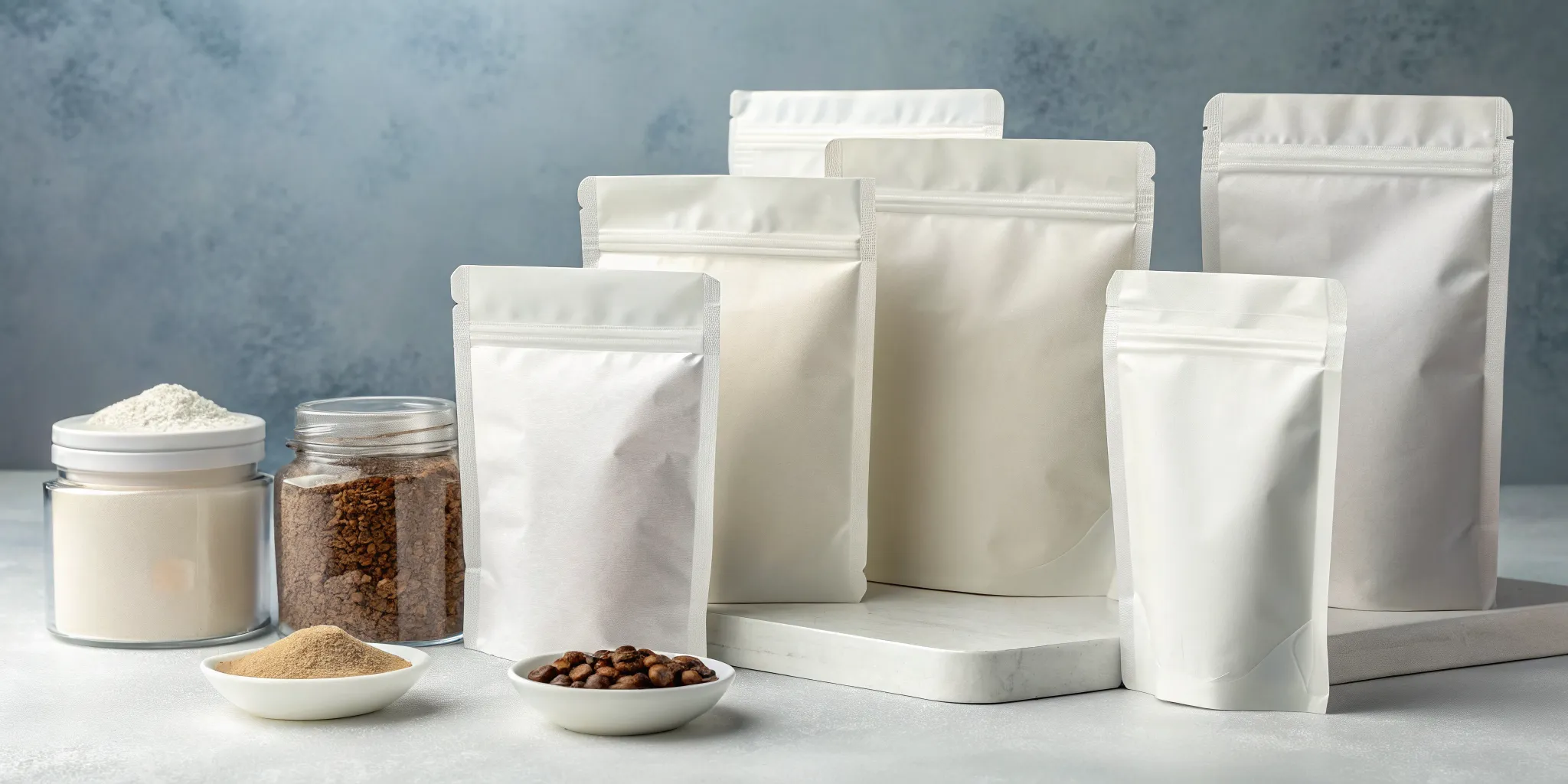
You’ve perfected your powder formula, sourcing the best ingredients to create a product you’re proud of. But all that hard work can be undone by the wrong container. Powders are incredibly sensitive; moisture causes clumping, while air and light can degrade flavor, color, and nutritional value. Your packaging is the first and most important line of defense against these elements. Choosing the right food grade powder packaging isn’t just a finishing touch, it’s a fundamental step in quality control. It ensures that the premium product you created is the same one your customer gets to experience, from the first scoop to the last.
Key Takeaways
- Prioritize barrier protection to maintain quality: Your packaging must act as a shield against moisture, air, and light. Choosing materials with strong barrier properties is the most critical step to prevent clumping, preserve flavor, and ensure your powder stays fresh.
- Combine convenience with compelling branding: Your packaging needs to do two jobs: make your customer’s life easier and tell your brand’s story. Features like resealable closures and tamper-evident seals build trust, while a great design helps your product stand out on the shelf.
- Partner with an expert to manage the details: Making the right packaging choice involves balancing cost, safety regulations, and supply chain logistics. A knowledgeable co-packer handles these complexities for you, providing the expertise and equipment needed to package your product correctly and efficiently.
What Is Food Grade Powder Packaging?
“Food grade powder packaging” might sound technical, but the concept is simple: it’s any packaging specifically designed to safely hold food powders. Think about your favorite protein powder, spice blend, or flour. The container it comes in is made from materials that are proven safe for direct contact with food. This means the packaging won’t transfer any harmful substances to the product inside, ensuring your customers get exactly what they paid for, and nothing else. But it’s about more than just safety. The right packaging acts as a shield, protecting your powders from moisture, air, and light, all of which can cause clumping, spoilage, or loss of flavor.
For businesses, especially those dealing with sensitive products like spices and powders, getting this right is non-negotiable. Your packaging is the first thing your customer interacts with, and it plays a huge role in preserving the quality you worked so hard to create. It’s a direct reflection of your brand’s commitment to excellence and safety. Choosing the right packaging involves two critical decisions: selecting the appropriate materials and ensuring you meet all legal and safety standards. These choices impact everything from your product’s shelf life and supply chain efficiency to your brand’s reputation. Making an informed decision here sets your product up for success from the production line all the way to your customer’s pantry.
Why Your Material Choice Is Key
Your choice of material is the foundation of effective powder packaging. It’s the first line of defense in protecting your product’s integrity and ensuring consumer safety. The materials you use must be certified as food-safe, meaning they won’t leach chemicals into the powder. This is crucial for maintaining the purity and flavor of your product. Beyond safety, the right material provides a barrier against external elements. For powders, moisture is the number one enemy, leading to clumping and spoilage. A material with excellent moisture barrier properties is essential. The right packaging and assembly partner can help you select materials that balance safety, protection, and cost, ensuring your product stays fresh and secure.
Understanding Key Regulations and Certifications
Following the world of food packaging regulations can feel complex, but it’s a critical step you can’t afford to skip. Regulatory bodies like the FDA have strict standards for materials that come into contact with food. Following these rules isn’t just about compliance; it’s about protecting your customers and your brand. Failing to meet these standards can lead to costly product recalls, legal issues, and a loss of consumer trust. Using certified, traceable materials is the best way to ensure you’re compliant. A knowledgeable co-packing partner will have a deep understanding of these regulations and can help you source materials that meet all necessary certifications, giving you peace of mind and protecting your business.
Common Types of Food Grade Powder Packaging
Once you’ve settled on a material, your next decision is the packaging format. The right container does more than just hold your product; it protects it, makes it easy for your customer to use, and tells your brand’s story on the shelf. Different formats offer unique benefits, from shipping efficiency to a premium customer experience. A partner with expertise in packaging and assembly can help you source and fill the perfect container for your powder product. Let’s look at three of the most common types you’ll encounter.
Pouches and Bags
Flexible packaging like pouches and bags has become a go-to for everything from protein powders to baking mixes, and for good reason. They are incredibly lightweight, which can significantly reduce shipping costs for both you and your customers. Modern pouches offer excellent barrier protection to maintain freshness and often include convenient features like resealable zippers and tear notches. This format provides a large, flat surface area for vibrant branding that stands out. If you’re looking for a cost-effective, versatile, and user-friendly option, flexible packaging is a fantastic starting point for many powder products.
Jars and Rigid Containers
For brands aiming for a premium look and feel, jars and other rigid containers are an excellent choice. Glass or sturdy plastic containers provide superior protection against moisture, oxygen, and physical damage, which is critical for preserving the quality and extending the shelf life of sensitive powders like spices or supplements. Consumers often perceive these containers as higher quality and more sustainable, especially glass, which is infinitely recyclable. While heavier and more expensive to ship than pouches, the right bottling and filling process for rigid containers can create a standout product that communicates value and durability.
Tubes and Canisters
Tubes and canisters, often made from paperboard, offer a brilliant middle ground between flexible bags and rigid jars. They provide structural integrity to protect the product while being lighter than glass or thick plastic. These containers are highly customizable and can be designed to be airtight, ensuring your powders stay fresh. Paper canisters are also a great way to signal your brand’s commitment to using eco-friendly materials. This format is especially popular for products like specialty drink mixes, breadcrumbs, and of course, spices, where both shelf presence and product protection are key.
Comparing Packaging Materials: Safety and Sustainability
Choosing the right packaging material is one of the most important decisions you’ll make for your powder product. This choice impacts everything from shelf life and safety to your brand’s perception and environmental footprint. It’s a balancing act between performance, cost, and sustainability. Each material has its own set of advantages and disadvantages, so understanding them is key to finding the perfect fit for your product and your customers. Let’s walk through the most common options to help you decide.
Plastic Packaging
Plastic has long been a popular choice in food packaging, and for good reason. It provides an excellent barrier against moisture, air, and contaminants, which is essential for maintaining the quality and safety of food powders. This protection helps extend shelf life and ensures your product reaches the customer exactly as intended. The main drawback, however, is its environmental impact. While more sustainable options like recycled or bio-based plastics exist, they introduce new food packaging challenges. Getting these materials to meet strict food safety regulations requires significant testing and approval, which can be a complex process.
Paper and Cardboard Packaging
If sustainability is a cornerstone of your brand, paper and cardboard are excellent materials to consider. They are renewable, often made from recycled content, and offer a natural, tactile feel that many consumers appreciate. Plus, their surfaces are perfect for printing vibrant, eye-catching designs. For powders, paper-based packaging is typically designed with a protective inner lining to shield the product from moisture. This approach gives you a sustainable food powder packaging solution that is both effective and aligns with eco-friendly values, making it a strong alternative to conventional plastic containers.
Biodegradable and Eco-Friendly Options
For brands looking to lead with innovation, the world of biodegradable packaging offers exciting possibilities. We’re seeing incredible advancements, from edible packaging made from seaweed to polymer-based plastics that microorganisms can break down. Some of these innovative food technology trends even include smart features, like indicators that monitor product freshness. Opting for these materials makes a clear statement about your brand’s commitment to the environment. While they may have a higher cost, they can differentiate you from competitors and attract a loyal customer base that shares your values.
What to Look For in a Powder Packaging Solution
Choosing the right packaging for your food grade powder goes far beyond picking a container that looks good on the shelf. The right solution protects your product’s integrity, ensures consumer safety, and communicates your brand’s value. It’s a critical decision that impacts everything from shelf life and shipping costs to customer loyalty. When you’re dealing with sensitive products like spices, protein powders, or flour blends, the packaging has to perform flawlessly from your facility to your customer’s pantry.
Think of your packaging as the first line of defense. It needs to shield the contents from moisture, oxygen, and light, all of which can degrade quality, taste, and texture. It also needs to be durable enough to withstand the journey through the supply chain without breaking or leaking. At the same time, it must meet all regulatory requirements for food contact materials and labeling. Finding a solution that ticks all these boxes while staying within your budget requires careful consideration of several key factors. A partner with expertise in packaging and assembly can help you find the perfect balance of function, safety, and style.
Moisture and Barrier Protection
Powders, especially spices and nutritional supplements, are highly susceptible to their environment. Moisture is their number one enemy, causing clumping, caking, and creating a breeding ground for mold and bacteria. Oxygen and light can also degrade the product, leading to a loss of flavor, color, and nutritional value. That’s why effective barrier protection is non-negotiable. Your packaging must act as a sealed fortress, keeping harmful external elements out.
Look for materials specifically designed for this purpose. Multi-layer pouches often include a layer of aluminum or metallized film to create an excellent barrier against moisture, oxygen, and UV light. Glass jars are also fantastic at protecting contents, though they can be heavier and more fragile. The goal is to select a material that ensures your powder stays as fresh as the day it was packed. Good packaging is airtight and keeps out moisture, preserving the product for longer.
Airtight Seals and Tamper Evidence
The world’s best barrier material is useless without a proper seal. An airtight seal is crucial for locking in freshness and keeping contaminants out. Whether it’s a heat-sealed pouch or a tightly screwed lid with a liner, the closure system must be robust and reliable. A weak seal can compromise the entire product, leading to spoilage and customer complaints. This is a key area where professional equipment and expertise make a huge difference in product consistency and safety.
Beyond just sealing, providing tamper evidence is a vital way to build consumer trust. Features like induction seals under a cap, shrink bands over a lid, or tear-notches on a sealed pouch give customers a clear visual confirmation that the product is safe and has not been opened. This small detail provides immense peace of mind and reinforces your brand’s commitment to quality control.
Resealability and Shelf Life
Your product’s journey doesn’t end when the customer first opens it. For multi-use powders like protein mixes or spice blends, convenience is key. Packaging that is easy to open and, more importantly, easy to reseal, dramatically improves the user experience. Features like press-to-close zippers on pouches or screw-top lids on jars allow customers to maintain the product’s freshness between uses, preventing spills and waste.
This focus on convenience directly contributes to a longer shelf life in the customer’s home, ensuring your product performs well from the first scoop to the last. While lightweight packaging can help reduce shipping costs, investing in a resealable feature can be the deciding factor that turns a one-time buyer into a loyal fan. It shows you’ve thought about how they will actually use your product.
Branding, Labeling, and Compliance
Your package is often the first and only salesperson a customer interacts with. It’s your canvas for branding. The material you choose should support high-quality printing that makes your design pop and tells your brand story effectively. Whether you opt for a minimalist aesthetic or a bold, colorful look, your packaging is a direct reflection of your brand’s identity. It’s an opportunity to connect with your audience before they even taste the product.
Just as important as the branding is the information on the label. Food products are subject to strict labeling regulations that dictate how you list ingredients, nutritional facts, and allergen warnings. Getting this right is essential for legal compliance and consumer safety. Working with a partner experienced in private labeling can help you create packaging that is both beautiful and fully compliant, so you can focus on your product.
Balancing Cost and Supply Chain Reliability
Finally, your packaging solution must make financial sense. It’s a balancing act between cost, quality, and performance. While it can be tempting to choose the cheapest option, poor packaging can lead to higher costs down the line from damaged goods, customer returns, and a tarnished brand reputation. It’s about finding the sweet spot where the cost per unit aligns with your budget without compromising the safety and integrity of your powder.
Furthermore, the reliability of your packaging supplier is critical. As recent events have shown, supply chain disruptions can halt production and leave you without the materials you need. Partnering with a co-packer who has established relationships with multiple trusted suppliers can provide a buffer against these challenges. This ensures you have a steady and reliable source for your packaging, allowing you to keep your business running smoothly.
The Future of Food Grade Powder Packaging
The world of packaging is always changing, and staying ahead of the curve is essential for your brand’s success. For food powders, the future is focused on sustainability, smart technology, and ultimate convenience. These trends aren’t just about aesthetics; they’re about meeting consumer expectations, improving safety, and creating a more efficient supply chain. Let’s look at what’s next for powder packaging.
Sustainable and Eco-Friendly Innovations
Today’s customers care about the planet, and their purchasing decisions reflect that. An unwavering demand for sustainable packaging is reshaping the food industry, making eco-friendly materials less of a bonus and more of a requirement. Brands are responding by exploring options like compostable films, recycled plastics, and paper-based containers. However, making the switch isn’t always simple. Achieving food safety standards while hitting sustainability targets requires significant research and testing. You have to ensure your new, greener packaging still provides the necessary barrier protection for your powders. This is where working with an expert in product development can help you find the right balance between innovation and compliance.
Smart Packaging Technologies
Imagine packaging that can tell you if your product is still fresh or provide its entire journey from farm to shelf with a simple scan. This is the promise of smart packaging. By integrating technologies like AI-driven freshness sensors and data-rich QR codes, brands can offer a new level of transparency and safety. These innovations in smart packaging do more than just impress customers; they improve supply chain efficiency and reduce food waste. For sensitive products like spices and supplements, smart features can verify authenticity and monitor storage conditions, ensuring your customers always get the highest quality product. Implementing these systems often involves a robust quality control process to guarantee accuracy and reliability from production to final delivery.
Flexible and Convenience-Driven Designs
Convenience is king. Consumers are looking for packaging that fits seamlessly into their busy lives. For food powders, this means lightweight, portable, and easy-to-use formats are more popular than ever. Think single-serving stick packs for protein powders, resealable stand-up pouches for spices, or easy-pour spouts for baking ingredients. The goal is to create a user-friendly experience that minimizes mess and maximizes freshness. As you explore these options, it’s important to balance functionality with your branding and production costs. The right partner can help you execute your vision with effective packaging and assembly solutions that prioritize both convenience and quality.
The Benefits of Partnering With a Co-Packer
Keeping up with innovations in sustainability, technology, and design can feel like a full-time job. That’s why partnering with a co-packer is such a strategic advantage. A reliable packaging supplier is crucial for maintaining quality and compliance, especially when you’re exploring new materials or technologies. An experienced co-packer already has the equipment, expertise, and industry connections to bring your vision to life efficiently and affordably. Instead of investing heavily in your own specialized machinery, you can lean on their established processes. A great co-packing partner acts as an extension of your team, helping you meet consumer demands while ensuring your product is packaged safely, beautifully, and correctly every time.
Frequently Asked Questions
What’s the most important thing to focus on when choosing powder packaging? It’s a balancing act, but safety and product integrity should always come first. While cost is a major factor for any business, packaging that fails to protect your powder from moisture will lead to spoiled products and unhappy customers, which is far more expensive in the long run. Start by defining your non-negotiables, like an airtight seal and proper barrier protection, and then explore the material and format options that fit your budget and brand identity.
How can I be certain the packaging I choose meets all the legal safety standards? The best way to ensure compliance is to work with reputable suppliers who can provide documentation and certifications for their materials. Regulations from bodies like the FDA are strict, and handling them alone can be difficult. This is a key area where a co-packing partner adds immense value, as they have established relationships with trusted suppliers and a deep understanding of the required certifications to keep your product safe and legal.
Pouches, jars, canisters… which one is right for my product? The best format depends on your product, brand, and customer. Flexible pouches are lightweight and cost-effective for shipping, making them great for items like protein powders. Rigid jars offer a premium feel and excellent protection, which is ideal for high-end spices or supplements. Canisters offer a nice middle ground, providing structure and a great surface for branding. Consider how your customer will use the product at home; for example, a resealable pouch or jar is essential for multi-use powders.
I want to use eco-friendly packaging, but I’m worried it won’t protect my powder. What are my options? This is a common and valid concern. The good news is that sustainable packaging has improved dramatically. Many paper-based containers, like canisters, are now made with a food-safe inner lining that provides an excellent barrier against moisture. You can also explore options made from recycled or bio-based plastics. The key is to find a solution that has been tested and proven to protect your specific type of powder, ensuring you don’t have to sacrifice product quality for sustainability.
Why should I work with a co-packer instead of just buying my own packaging and filling it myself? Partnering with a co-packer gives you access to expertise, equipment, and supply chain stability that’s difficult to build on your own. Instead of investing in expensive filling and sealing machinery, you can use their professional-grade systems to ensure a consistent, high-quality result. An experienced partner also manages supplier relationships and understands regulatory compliance, which frees you up to focus on growing your brand, knowing the packaging and fulfillment are handled correctly.