


Co-Packing Quality Control Standards: What To Expect

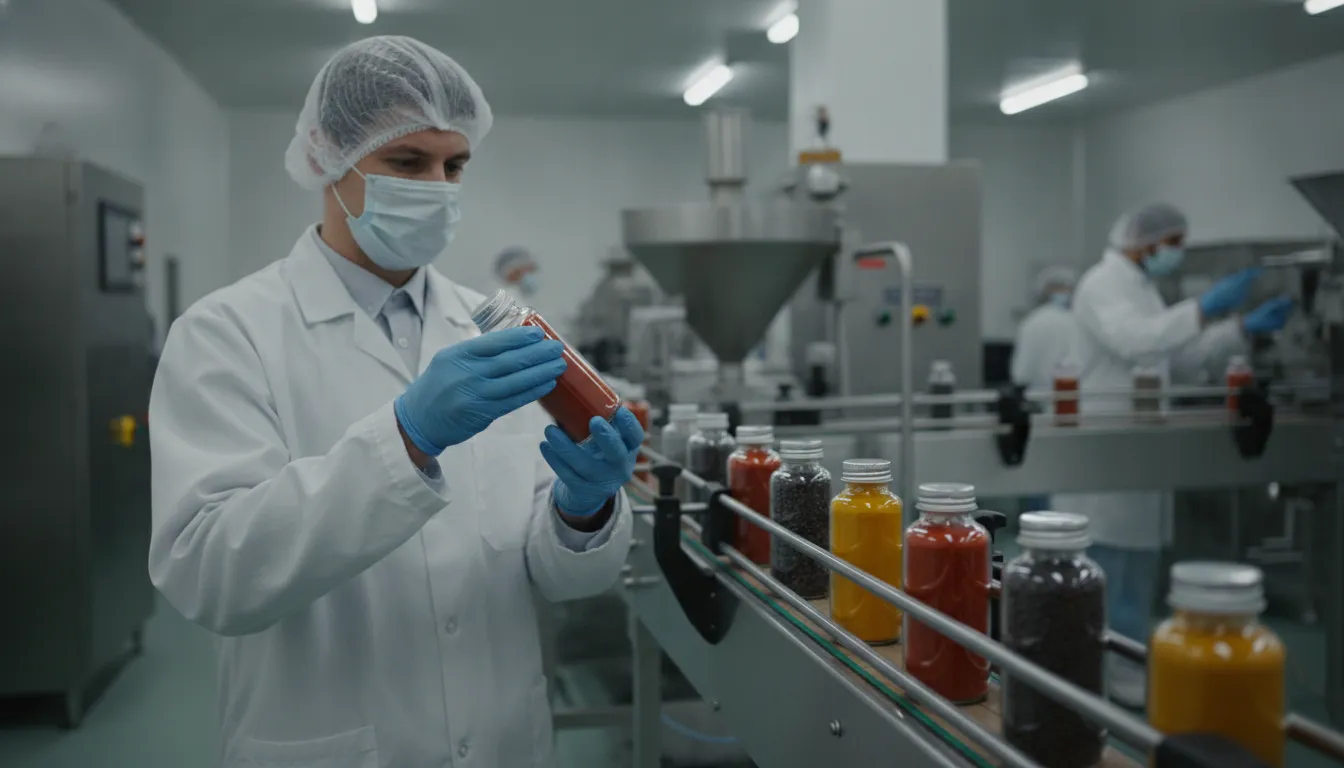
For a growing food or beverage brand, quality control is more than a final inspection. It is the system that protects consistency, safety, customer trust, and your ability to scale from one production run to the next. That is why co-packing quality control standards should be defined before your first batch reaches the line.
Co-packing quality control standards are the documented practices used to manage ingredients, production controls, sanitation, batch consistency, traceability, and release decisions. At Co Packing Express in St. Petersburg, FL, those practices operate within an FDA 21 CFR Part 117 cGMP-compliant facility, with an industry-standard +/-10% production tolerance.
Current Good Manufacturing Practices address areas such as personal hygiene, facility design, equipment maintenance, sanitation, and production controls, according to the FDA. For a brand owner, that means quality is built into the process rather than left to chance at the end. It also means knowing what your co-packer controls, what your agreement defines, and how exceptions are handled. Clear standards give your team a practical basis for reviewing samples, approving production, and resolving questions before a shipment moves.
This guide explains the standards behind dependable co-packing, from the meaning of quality control in a production environment to preventive controls, batch sampling, and production tolerances. If you are still building your manufacturing plan, start with our co-packing for food and beverage brands guide, then consider what these controls mean for your product and your brand.
Contact Co Packing Express to review the quality control standards your product requires.
What Do Co-Packing Quality Control Standards Mean for Your Brand?
In a co-packing facility, quality control is the operating system that protects your product from material receipt through shipment. A co-packer manufactures and packages products on behalf of another company, so its process must consistently meet the brand’s specifications, food-safety requirements, and release criteria. For a practical overview of how these responsibilities fit into a broader production relationship, see our complete guide to co-packing.
Incoming material checks
Quality control starts before ingredients or packaging components enter production. The facility should confirm that materials match the approved specifications for the project, arrive in acceptable condition, and can be connected to the correct lot or purchase records. This foundation matters for moisture-sensitive powders and specialty foods, where storage and handling conditions can affect consistency. Comprehensive quality control systems are core infrastructure for co-packers working with these products.
Incoming checks may include reviewing supplier documentation, inspecting containers for damage, verifying identifiers, and placing questionable materials on hold until they can be evaluated. The goal is straightforward: prevent an incorrect, damaged, or untraceable input from moving into the batch.
In-process inspection
During production, operators and quality personnel verify that the batch is being made according to the agreed formula, process, and packaging specifications. Depending on the product, this can involve checking ingredient additions, product appearance, fill weights or volumes, package seals, labeling details, and line conditions. These checks are performed while a correction is still possible, rather than waiting until finished goods are already packed.
FDA’s Current Good Manufacturing Practices guidance addresses areas such as personal hygiene, facility design, equipment maintenance, sanitation, and production controls. Those controls give co-packing quality control standards a practical structure, but the production agreement should still define the product-specific checks your brand expects.
Finished-goods release and documentation
At the end of a run, finished goods should be reviewed against the release requirements before they are cleared for fulfillment. Documentation should show what was produced, which materials and lots were used, what inspections occurred, and whether any deviations were investigated. Traceability is especially important if a question later arises about an ingredient, package, or production lot.
For your brand, strong documentation provides more than a paper trail. It creates accountability between the product specification and the shipment that reaches customers. Ask how records are maintained, how nonconforming product is controlled, and what information is available for each batch. Co Packing Express builds quality control into its core infrastructure and operates as an FDA compliant facility under 21 CFR Part 117. Supporting a controlled path from incoming materials to finished goods.
GMP-Controlled Environments: FDA 21 CFR Part 117 Requirements Explained
A GMP-controlled environment is the operating framework that keeps food production consistent, sanitary, and focused on preventing hazards before products reach customers. Current Good Manufacturing Practices, or cGMPs, address practical controls such as employee hygiene, facility design, equipment maintenance, sanitation, and production processes. These controls turn food safety from a single inspection point into a discipline applied throughout the production cycle.
For brands evaluating co-packing quality control standards, the key question is not simply whether a facility can fill and package a product. It is whether the facility has the environment, procedures, and preventive controls to manage risks consistently across ingredients, production runs, and finished goods.
What FDA 21 CFR Part 117 covers
FDA 21 CFR Part 117 combines cGMP requirements with hazard analysis and risk-based preventive controls for human food. The rule modernized earlier food manufacturing requirements under the Food Safety Modernization Act, or FSMA. Its preventive-controls framework applies to registered food facilities and is designed to minimize hazards during production rather than relying only on finished-product testing.
In practice, that means a GMP-controlled operation should evaluate where biological, chemical. Or physical hazards could enter or develop in a process, then establish controls to reduce those risks. The controls must be connected to the actual product and process. A dry powder line may require different attention from a liquid filling line, but both need documented sanitation, process discipline, and appropriate oversight.
How preventive controls support day-to-day production
Part 117 is broader than keeping a clean production room. It connects facility conditions with the way food is received, handled, processed, packaged, and monitored. Useful controls can include employee hygiene practices, sanitary equipment maintenance, ingredient handling procedures, allergen controls, process monitoring, and records that show whether the controls were followed.
This systems-based approach is especially important for growing brands that need repeatable production. A co-packer should be able to explain how it manages changes in ingredients, packaging, batch conditions, and customer specifications without losing control of the process. Clear documentation also gives brand owners a practical way to ask questions, review expectations, and identify issues before a shipment leaves the facility.
Co Packing Express facility compliance
Co Packing Express operates an FDA 21 CFR Part 117 (cGMP) compliant facility. Comprehensive quality control systems are part of the company’s core infrastructure, supporting its work with food and beverage brands, including spice, powder, and liquid products. For a prospective customer, this provides a defined compliance foundation to discuss alongside product specifications, process requirements, documentation, and fulfillment needs.
The strongest co-packing relationship starts with a direct review of the product and its hazards. Share the formulation, packaging format, handling requirements, and expected production volume early. Then confirm how the facility’s GMP controls and risk-based preventive controls align with the product before production begins.
Production Tolerance Standards: What +/-10% Means for Your Batch
A production tolerance defines the acceptable difference between the quantity you plan to produce and the quantity a manufacturing run actually delivers. For food and beverage co-packing, a small variance can result from ordinary handling, filling, equipment calibration, ingredient flow, or material retained in processing equipment. The tolerance should be agreed before production, not debated after invoices and inventory are finalized.
For Co Packing Express, the industry-standard production variance is plus or minus 10%. That standard applies to the completed batch quantity, whether the product is a liquid measured by volume or a dry spice or powder measured by weight. It is a production expectation, not permission to disregard specifications, safety controls, labeling requirements, or agreed product quality.
| Product type | Units | Planned batch | +/-10% acceptable range |
|---|---|---|---|
| Liquid filling / bottling | Gallons | 100 gallons | 90 to 110 gallons |
| Dry spice / powder | Pounds | 400 pounds | 360 to 440 pounds |
| Finished unit counts | Count | Example: 10,000 units | 9,000 to 11,000 units |
- Establish the planned batch quantity. Start with the quantity in the production brief, purchase order, or co-packing agreement. Define the unit clearly. Liquids may be tracked in gallons, liters, or finished units, while dry products are commonly tracked in pounds or finished units. Also identify whether the quantity refers to bulk product, filled containers, or saleable finished units.
- Calculate the acceptable range. Apply 10% above and below the planned quantity. For example, a 100-gallon liquid batch has an expected range of 90 to 110 gallons. A 400-pound dry spice batch has an expected range of 360 to 440 pounds. These examples illustrate the calculation. Your agreement should state the actual target, unit of measure, and how the tolerance is applied to your run.
- Measure the result using the agreed unit. Liquid quantities should be evaluated through the designated volume or finished-fill measurement. Dry spices and powders should be evaluated by weight using calibrated production equipment. Unit counts may also matter when product is filled into individual packages. So confirm whether the controlling measurement is total product weight, total volume, finished-unit count, or a defined combination.
- Review the variance against the specification. A result inside the agreed range is generally treated as within production tolerance. A result outside that range should trigger a documented review with the co-packer. The review can address scale or filler readings, startup and changeover losses, material remaining in equipment, damaged units, or other batch records. Tolerance does not replace investigation when a result appears inconsistent or when product quality is affected.
- Put the standard in writing before production. Your contract should cover the target quantity, measurement method, acceptable variance, treatment of overages or shortages, billing basis, and notification process. Review these production tolerance standards with your co-packer so both sides understand what will be measured and how exceptions will be handled.
Clear tolerance language supports predictable purchasing, fulfillment planning, and inventory forecasting. It also gives your quality team a defined point of comparison when reviewing batch documentation. For brands evaluating co-packing quality control standards, the goal is not to eliminate every minor production difference. The goal is to define a reasonable range, measure it consistently, and document any result that falls outside the agreed expectation.
How Pre-Shipment Inspections and Batch Sampling Protect Your Brand
A finished product can meet a formula on paper and still create problems if the final inspection is treated as an afterthought. Pre-shipment inspections and batch sampling create a controlled decision point before product leaves the facility. They help confirm that the lot matches the approved specifications, packaging instructions, labeling details, and release requirements established for the brand.
For a growing food or beverage company, these checks are not administrative overhead. Comprehensive quality control systems are part of the core infrastructure for a co-packer, particularly when handling moisture-sensitive powders and specialty foods. That infrastructure supports dependable production, clearer communication, and faster investigation when a result falls outside expectations.
Use a defined sampling plan
Sampling should be planned before production begins, not improvised after a concern appears. The plan can identify which units or cases will be selected, how samples represent the batch, and which attributes require review. Depending on the product and specifications, that review may include fill weight or volume, appearance, seal integrity, lot coding, packaging condition, and other agreed quality characteristics.
A representative sample gives the brand and co-packer a practical view of the completed lot without relying on a single package. The inspection record should identify the batch, inspection date, sample size, observations, and disposition. This creates a consistent standard that can be reviewed across production runs instead of relying on memory or informal assurances.
Hold, investigate, and release with control
Hold-and-release procedures keep a batch from moving into fulfillment while required checks or documentation remain incomplete. If a sample raises a question, the lot can stay on hold while the team reviews the result. Checks production records, and determines whether corrective action or additional sampling is appropriate. Release should follow documented criteria, with the responsible reviewer and decision recorded.
This approach protects the brand from sending an uncertain lot to retailers, Amazon fulfillment, or direct customers. It also creates a clear path for handling exceptions without treating every variance as a crisis. The goal is disciplined release, not a last-minute visual check at the loading dock.
Traceability and allergen management matter after shipment
Inspection records become especially valuable when a customer question, supplier issue, or labeling concern requires an answer. Effective co-manufacturing quality control includes traceability and strict allergen management, alongside documented facility and process controls. See the related guidance on traceability and allergen management in co-manufacturing.
Batch records should connect the finished goods to the relevant production run, ingredients, packaging materials, inspection results, and release decision. Allergen controls should be reflected in the product specifications, handling sequence, sanitation records, and label review. Together, these practices make it easier to identify what was produced, where it went, and what action is appropriate if an issue is reported.
These controls are a practical expression of co-packing quality control standards. They protect consistency before shipment and preserve the documentation needed to protect the brand afterward.
Questions to Ask Your Co-Packer About Their QC Protocols
A co-packer’s quality program should be specific enough for you to understand what happens before, during, and after production. During your evaluation, ask for clear answers, documented procedures, and examples of how the facility handles exceptions. The goal is not simply to hear that a partner follows quality standards. It is to confirm that those standards are built into daily operations and can be demonstrated through records.
What regulatory framework governs your facility?
Ask whether the facility operates under FDA 21 CFR Part 117 current good manufacturing practice requirements, including hazard analysis and risk-based preventive controls for human food. Co-Packing Express states that its facility is FDA 21 CFR Part 117 cGMP compliant. Ask how that framework affects sanitation, personnel practices, equipment, production controls, and preventive controls on your specific line. You can review more detail in this FDA compliant manufacturing guide.
How do you define and manage production tolerance?
Ask what quantity variance applies to your agreement, how it is calculated, and when you will be notified if a batch falls outside the expected range. An industry-standard production variance of plus or minus 10% applies, but your contract should explain how that tolerance affects finished units, weight or volume, invoicing, and acceptance. Do not leave the meaning of tolerance to an informal conversation. Request that the agreed range and the process for handling exceptions appear in writing.
What does your sampling and inspection process include?
Ask when samples are taken, who reviews them, what characteristics are checked, and what happens when a sample does not meet the agreed specification. A useful answer should cover incoming materials, in-process checks, finished product review, packaging, and release documentation. Ask whether product can be placed on hold while an issue is investigated, rather than shipped before the cause is understood. Comprehensive quality control systems are core infrastructure for co-packers, particularly when handling specialty foods and moisture-sensitive powders.
How do you maintain traceability and manage allergens?
Ask whether the team can trace ingredients and packaging through a specific batch, identify production dates and lot information, and retrieve the related records. Also ask how allergens are identified, stored, scheduled, handled during changeovers, and documented on labels and batch records. Effective co-packing quality control includes traceability and strict allergen management, not just a final visual inspection. Ask what information you would receive if a material, label, or batch required investigation.
Which records will my brand receive?
Before signing, confirm the documentation included with each run and the retention period for those records. Ask about batch records, sampling results, production counts, deviations, corrective actions, and release decisions. A transparent co-packer should be able to explain its documentation process without relying on vague assurances. For a broader framework for evaluating a co-packer, compare the answers across potential partners and record any commitments in the final agreement.
Get a quality control review from Co Packing Express before you finalize your next production run.
Frequently Asked Questions
What is the difference between co-manufacturing and co-packing?
Co-packing generally means a specialized company manufactures, fills, or packages products for another brand. Co-manufacturing can describe a broader arrangement in which the partner produces the product, manages defined manufacturing steps, or supports the complete production process. The practical difference depends on the scope in your agreement, including sourcing, formulation, filling, packaging, quality control, and shipment responsibilities.
What packaging standards apply to food co-packing?
Packaging operations should be performed in an FDA compliant, HACCP compliant, GMP-controlled environment with documented production and process controls. FDA Current Good Manufacturing Practices address plant design, equipment maintenance, sanitation, hygiene, and production controls. For human food, 21 CFR Part 117 also covers hazard analysis and risk-based preventive controls. See the FDA CGMP guidance for the regulatory framework.
How does a co-packer work with a brand?
The process typically starts with product specifications, packaging requirements, materials, and a production plan. The co-packer then coordinates the approved inputs, runs the batch, performs in-process quality checks, documents traceability, manages relevant allergen controls, and prepares finished goods for release or shipment. Clear responsibilities and acceptance criteria should be documented before production begins.
How much does co-packing cost?
There is no single price because cost depends on the product, formulation or processing needs, packaging format, materials, batch size, labor, testing, and fulfillment requirements. Request a quote based on your actual specifications rather than relying on a generic per-unit estimate. Confirm minimums, production tolerance, setup charges, testing, storage, and payment terms before approving a run.
Schedule a consultation for your quality control requirements
A clear review of your QC requirements can help align your co-packing plan with the standards your brand needs. Schedule a consultation to discuss your requirements and get a quote. Contact Co Packing Express through the contact page to take the next step.
2 thoughts on “Co-Packing Quality Control Standards: What To Expect”