


5 Best Food Packaging Companies for Small Business

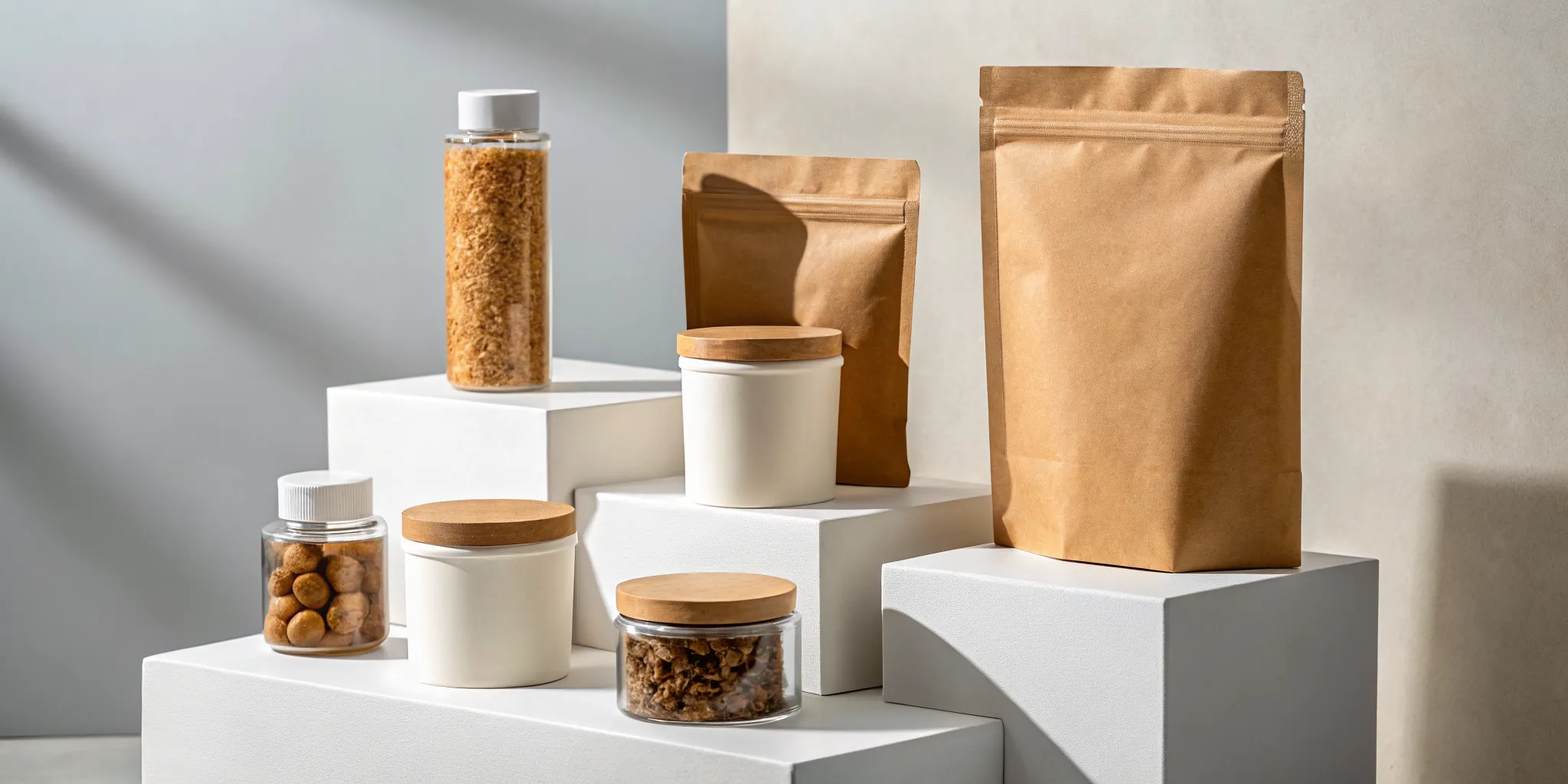
As your business grows, you’ll find yourself spending more time packing boxes and less time on the creative work that got you started. If you’re feeling stretched thin, it might be time to bring in a partner. This is where a co-packer can be a game-changer for scaling your operations, letting you meet growing demand without getting buried in logistics. But how does this fit with your packaging strategy? This article will help you understand what to look for in a partner, from flexible order sizes to regulatory expertise, and how to choose from the best food packaging companies for small business that can support your journey.
## Key Takeaways
* **Look for a partner, not just a supplier**: The best packaging companies offer more than just boxes; they provide flexible order sizes (low MOQs), help with food safety rules, and offer services that grow with your business.
* **Use your packaging to tell your brand’s story**: Your package is your silent salesperson on the shelf, so use custom design, quality printing, and thoughtful materials to communicate your brand’s values and make a professional first impression.
* **Choose packaging that protects your specific product**: The right container is essential for quality, so select materials designed for your needs, like high-barrier pouches for spices, freezer-safe bags for frozen meals, or sustainable options that resonate with your customers.
## What Makes a Great Food Packaging Partner?
Choosing a food packaging company is one of the most important decisions you’ll make for your business. This isn’t just about finding a supplier for boxes or bags; it’s about finding a true partner who can help you scale. The right company acts as an extension of your team, offering the expertise and resources you need to get your product into your customers’ hands safely and beautifully. A great partner understands the challenges small businesses face, from tight budgets to complex regulations. They should be invested in your success, providing solutions that protect your product, represent your brand, and support your growth. As you evaluate your options, look for a partner that excels in a few key areas. These qualities separate the average suppliers from the partners who will truly help your business thrive.
### Flexible Order Sizes (Low MOQs)
As a small business, cash flow is everything. The last thing you want is to tie up all your capital in a mountain of packaging you can’t use yet. This is where Minimum Order Quantities, or MOQs, come into play. A great packaging partner will offer low MOQs, giving you the flexibility to order what you need, when you need it. This approach allows you to manage inventory effectively without overcommitting to large quantities that might not sell. Flexible order sizes also let you test new products or seasonal variations without a massive financial risk. It’s a practical way to stay agile and responsive to the market as you grow your brand.
### Custom Branding and Design
Your packaging is often the first interaction a customer has with your brand, so it needs to make a great impression. In a crowded marketplace, your product has to stand out on the shelf, and custom branding is how you do it. A top-tier partner will offer comprehensive private labeling and design services to bring your vision to life. This goes beyond just printing your logo on a bag. It includes helping you choose the right colors, materials, and finishes that tell your brand’s story and connect with your target audience. Your packaging is a powerful marketing tool, and your partner should help you use it to its full potential.
### A Variety of Packaging Options
Not all food products are created equal, and their packaging shouldn’t be either. Whether you’re selling delicate spices, frozen meals, or gourmet snacks, you need packaging that is specifically designed to protect your product and keep it fresh. A reliable partner will offer a wide variety of packaging solutions, from stand-up pouches and lay-flat bags to rigid containers and boxes. They should have experience with different materials and formats, especially for specialized items like spices and powders. Having access to a diverse catalog ensures you can find the perfect fit for your product’s unique requirements, both for function and style.
### Transparent Pricing
Hidden fees and surprise charges can derail a small business budget in a heartbeat. That’s why transparent pricing is non-negotiable when choosing a packaging partner. You need to know exactly what you’re paying for upfront, with no ambiguity. A trustworthy company will provide clear, detailed quotes and favorable contract terms that allow for better budgeting and financial planning. This transparency builds a foundation of trust and shows that the partner is committed to a fair, long-term relationship. When you can accurately forecast your packaging costs, you can make smarter decisions for your entire business.
### Help with Regulatory Compliance
The world of food packaging is governed by a complex web of rules and regulations, from FDA labeling requirements to food safety standards. A mistake in this area can lead to costly recalls or legal trouble. An exceptional packaging partner will have deep knowledge of these regulations and can guide you through the compliance process. They can help ensure your packaging materials are food-safe and your labels contain all the necessary information. This expertise is invaluable, as it helps you avoid common pitfalls and stay competitive. A partner who prioritizes quality control gives you peace of mind, knowing your product is safe and legal for the market.
## Our Top Picks: Food Packaging Companies for Small Businesses
Finding the right food packaging company can feel like searching for a needle in a haystack, especially when you’re a small business. You need a partner who understands that you can’t order a million units right out of the gate. It’s about more than just finding a supplier; it’s about finding a team that can help you grow. The right packaging does more than just hold your product. It tells your brand’s story on a crowded shelf, protects the quality of what’s inside, and makes your customers’ experience memorable. A great packaging partner gets that.
To help you get started, I’ve put together a list of companies that are known for working well with small businesses. Each one offers something a little different, whether it’s incredibly low order minimums, expertise in a specific niche like frozen foods, or a full suite of services that takes the operational burden off your shoulders. Think of this as your curated shortlist. These companies have built their reputations on providing flexible solutions, custom branding options, and the kind of support that growing brands need to succeed. They can help you look professional from day one, without requiring a massive upfront investment.
### 1. Co-Packing Express
If you’re looking for more than just a packaging supplier, Co-Packing Express is a true end-to-end partner. They go beyond just providing bags or boxes; they offer a complete suite of co-packing services designed to handle your entire production process. This is a game-changer for small businesses that want to focus on growth instead of logistics. They can help with everything from initial product development and sourcing ingredients to bottling, labeling, and assembly. With a special expertise in spices and powders, they understand the specific requirements for keeping dry goods fresh and compliant. They even manage warehousing and fulfillment, including FBA/FBM prep for Amazon sellers, making them a one-stop shop for bringing your product to market.
### 2. ePac
For businesses in the frozen food aisle, ePac is a fantastic choice. They specialize in creating custom flexible packaging that keeps products safe from freezer burn and moisture, ensuring your food looks and tastes its best. What makes them particularly friendly for small businesses is their focus on digital printing, which allows for low minimum order quantities. You can order as few as 5,000 custom bags, which is perfect for testing a new product line or creating seasonal offerings without a huge financial commitment. They also offer [sustainable packaging options](https://epacflexibles.com/markets/frozen-foods/), including recyclable films and materials made from post-consumer recycled content, helping you meet the growing consumer demand for eco-friendly products.
### 3. Packarooo
Sometimes, the biggest challenge is just finding someone willing to sell you a small number of food-grade bags. Packarooo has built its reputation on solving exactly that problem. They are widely recommended as a go-to supplier for entrepreneurs who need high-quality, food-safe packaging in truly small quantities. This makes them an ideal starting point if you’re launching your first product, selling at farmers’ markets, or simply need to produce a small batch. By catering specifically to the needs of new and growing businesses, Packarooo removes one of the most common barriers to entry, allowing you to get your product packaged professionally and on the shelf without having to store thousands of extra bags.
### 4. ePackageSupply
If you want to dip your toes into custom branding without a big budget, ePackageSupply is a name you should know. They are known as price leaders in the food-grade packaging space and offer something almost unheard of: custom-branded items with minimums as low as 60 units. This is an incredible opportunity for small businesses to create a professional look for their products on a shoestring budget. It’s perfect for testing a new logo, running a limited edition, or creating personalized packaging for a special event. Their combination of affordability and extremely low custom order requirements makes them one of the most accessible options for brands that want to stand out from the very beginning.
### 5. Strip-Well Rotopacks
For brands that sell premium dry goods like nuts, coffee, or dried fruit, quality is everything. Strip-Well Rotopacks is a supplier that delivers both high-quality packaging and the flexibility of small order quantities. They are particularly well-regarded for their work with dry fruit packaging, which shows they understand the specific material properties needed to maintain freshness and extend shelf life. Choosing a supplier with expertise in your product category is always a smart move, as they can provide better guidance on the right films, barriers, and closures. With Strip-Well Rotopacks, you don’t have to sacrifice quality for a lower order volume, making them a great partner for artisanal brands that want their packaging to reflect the premium product inside.
## What Types of Food Packaging Do Small Businesses Actually Need?
Choosing the right packaging goes far beyond just finding a container for your product. It’s a critical decision that impacts everything from product safety and shelf life to your brand’s identity and shipping costs. The best choice for your business depends entirely on what you sell. A solution that works for frozen meals won’t work for delicate spices. Let’s look at some of the most common and effective packaging types for small food businesses.
### Flexible Pouches and Stand-Up Bags
If you’ve walked down a grocery aisle recently, you’ve seen flexible pouches everywhere. These lightweight bags, especially the stand-up versions, are incredibly popular for a reason. They offer fantastic shelf presence, catching a customer’s eye better than a simple box. Many come with resealable zippers, which adds a layer of convenience that keeps products fresh and customers happy. For small businesses, they are a great option because they are often more affordable to produce and lighter to ship than rigid containers like glass jars or cans. They work well for a huge range of products, including coffee, granola, snacks, and even powdered mixes.
### Frozen Food Packaging
Selling frozen foods introduces a unique set of packaging challenges. Your packaging must be tough enough to handle freezing temperatures, sometimes as low as -40 degrees Fahrenheit, without becoming brittle or cracking. The goal is to protect your food from moisture and freezer burn, which can ruin its taste and texture. Standard pouches won’t cut it. You’ll need options like specialized stand-up pouches or lay-flat bags created with materials designed to perform in the freezer. Getting this right is essential for maintaining the quality your customers expect and preventing costly product spoilage. The right materials are key to ensuring your product remains safe and delicious from your facility to the customer’s freezer.
### Spices, Powders, and Dry Goods Packaging
When it comes to spices and powders, preservation is everything. Your packaging needs to create a strong barrier against moisture, oxygen, and light, all of which can degrade the flavor, aroma, and color of your products. Nobody wants clumpy garlic powder or dull paprika. Common solutions include rigid shaker bottles, glass jars, and multi-layer pouches with high-barrier films. The right choice depends on your product’s specific needs and how customers will use it. Finding a partner who understands the nuances of packaging for spices and powders is crucial for protecting your product’s integrity and ensuring it reaches your customers in perfect condition.
### Eco-Friendly and Sustainable Packaging
Today’s consumers are more conscious than ever about the environmental impact of their purchases. Offering sustainable packaging is no longer a niche trend; it’s a powerful way to connect with your audience. This can include materials that are recyclable, made from post-consumer recycled content, or even compostable. While some eco-friendly options might have a slightly higher upfront cost, they can also be a major selling point that builds brand loyalty. Highlighting your commitment to sustainability on your packaging can help you attract customers who are willing to support businesses that align with their values.
## Making Sense of Pricing and MOQs
When you start looking for a packaging partner, you’ll quickly run into two key terms: pricing and MOQ. MOQ stands for Minimum Order Quantity, and it’s the smallest number of units a company is willing to produce in a single run. For small businesses, navigating these two factors can feel like a balancing act. You want high-quality, beautiful packaging that tells your brand’s story, but you also have a budget to stick to and might not have the space (or cash) for thousands of units right away. This is a common challenge, so don’t feel like you’re the only one trying to figure it out.
Understanding the relationship between price and quantity is the first step toward finding a partner that fits your business. A higher MOQ often means a lower price per unit, but it also requires a larger upfront investment. On the other hand, a lower MOQ gives you flexibility but might come with a higher cost for each bag or box. It’s not just about finding the cheapest option; it’s about finding the smartest one for your current stage of growth. A good partner will work with you to find a solution that supports your goals, whether that’s through flexible co-packing services or scalable production plans that align with your sales forecasts. They’ll help you see the bigger picture beyond the per-unit cost.
### What Low MOQs Really Mean for Your Budget
Low MOQs are a lifeline for small businesses. They mean you don’t have to tie up all your capital in inventory that might sit in storage for months. This flexibility is huge. It allows you to be more agile, test out a new product line, or create seasonal packaging without committing to a massive, risky order. Think of it as dipping your toe in the water instead of diving in headfirst.
Choosing the right packaging materials while balancing quality and cost is a critical piece of the puzzle for any growing food brand. Low MOQs make this much more manageable. You can order smaller batches to maintain healthy cash flow, reduce the risk of getting stuck with outdated packaging, and respond faster to market feedback. It’s a strategic way to grow your business without overextending your finances.
### How to Balance Cost and Quality
It’s tempting to go for the cheapest packaging you can find, but that can be a costly mistake. Your packaging does more than just hold your product; it’s often the first physical interaction a customer has with your brand. Flimsy materials or poor printing can signal low quality and turn shoppers away. Effective packaging is part of your brand’s story and directly shapes how customers perceive its value.
The key is to find the sweet spot between affordability and quality. Instead of just looking at the price tag, consider the overall value. Will this packaging protect your product from damage during shipping? Does it reflect the premium nature of what’s inside? Partnering with a company that offers expert packaging and assembly ensures your product is not only secure but also presented in a way that builds trust and looks professional on the shelf.
### Tips for Negotiating Better Terms
Don’t be afraid to have a conversation about pricing and terms with potential suppliers. Many companies, especially those that enjoy working with small businesses, are open to finding a solution that works for both of you. A strong [contract negotiation strategy](https://www.restaurantware.com/blogs/kitchen-and-cooking-tips/how_to_negotiate_better_contracts_with_food_suppliers) can help you secure better terms and build a resilient operation. Come to the conversation prepared with your budget, projected volume, and ideal timeline.
When you talk to a supplier, ask about their flexibility. See if they offer discounts for long-term contracts or if they can adjust payment terms to help with your cash flow. Building a good relationship from the start can make a huge difference. A supplier who understands your vision is more likely to become a true partner, helping you find cost-effective solutions as you grow.
## Does Custom Food Packaging Actually Help Your Brand?
Investing in custom packaging can feel like a big step, especially when you’re focused on perfecting the product inside. But the simple answer is yes, custom food packaging absolutely helps your brand. Think of it this way: your packaging is often the first interaction a customer has with your product. Before they can taste your delicious sauce or smell your aromatic spices, they see the container. In a crowded grocery aisle or a busy online marketplace, your packaging is your silent salesperson. It has just a few seconds to grab attention, communicate what you’re all about, and convince someone to take a chance on you.
Great packaging does more than just hold your product; it protects it, tells your story, and creates a memorable experience for your customer. It’s a tangible piece of your brand that people can see and touch. A well-designed package suggests a high-quality product, while a generic or poorly designed one can make even the best food seem unappealing. By working with a partner who understands packaging and assembly, you can create something that not only looks great but also functions perfectly for your specific product, whether it’s a stand-up pouch for granola or a glass jar for a gourmet spice blend.
### Tell Your Brand Story Through Packaging
Your packaging is a primary canvas for your brand’s story. It’s your chance to share your mission and what makes your product special directly with your customers. Are your ingredients locally sourced? Is your recipe a family secret passed down through generations? Are you committed to sustainable practices? Your packaging design, from the colors and fonts to the materials you choose, should reflect these values. This visual identity helps customers connect with you on a deeper level, turning a simple purchase into a meaningful choice.
For example, earthy tones and recycled paper might communicate an organic, eco-friendly brand, while bright colors and bold graphics could signal a fun, modern snack. This is especially crucial if you’re building a brand from the ground up through private labeling. Your packaging is the face of your new brand, so it needs to make a strong and authentic first impression.
### The Impact of High-Quality Printing and Finishes
Have you ever picked up a product simply because it felt nice in your hands? That’s the power of high-quality printing and finishes. Details like crisp, vibrant printing, embossed logos, or a soft-touch matte finish can make your product feel more premium and trustworthy. These elements create a perception of quality and professionalism, which can directly influence a customer’s decision to buy your product over a competitor’s. It shows you care about the details, and customers will assume that attention to detail extends to the food inside.
While it might be tempting to cut costs on printing, a flimsy label or blurry text can signal a low-quality product, even if that’s not the case. Investing in professional printing isn’t just about looking good; it’s about building credibility. A polished look helps your small business compete for shelf space against established brands and assures customers that they are buying a product worth their money.
### Smart Packaging: Is It Worth It?
“Smart packaging” might sound futuristic, but it often refers to simple, practical features that make a customer’s life easier. Think of resealable zippers on pouches of your custom spices and powders, QR codes that link to recipes, or packaging that changes color to indicate freshness. These innovative solutions meet consumer demands for convenience and sustainability while keeping your product safe. By adding a thoughtful feature, you enhance the user experience and give customers another reason to choose your brand again.
So, is it worth it for a small business? It depends on your product and your customer. For some, a simple, beautiful package is enough. But for others, a convenient feature like a resealable opening can be a major selling point that builds brand loyalty. It shows you’ve thought about how your customer will use your product long after they’ve left the store, creating a positive and lasting impression.
## Are Sustainable Food Packaging Options Worth It?
Making the switch to sustainable food packaging is a question many small business owners face. The short answer is yes, it’s absolutely worth considering. More and more, customers are making purchasing decisions based on a brand’s environmental impact. Choosing eco-friendly packaging shows your audience that you share their values, which can build powerful brand loyalty and help you stand out. It’s not just about being environmentally responsible; it’s a strategic move that can strengthen your brand’s appeal and connect you with a growing market of conscious consumers. By adopting greener practices, you’re investing in your brand’s reputation and future growth.
### Popular Eco-Friendly Materials to Look For
When you start exploring sustainable options, you’ll find a variety of innovative materials available. Look for things like biodegradable plastics, compostable films, recycled paper, and plant-based materials made from corn or sugarcane. These materials are designed to reduce environmental impact while still providing the protection your food products need to stay fresh and safe. Choosing the right material is one of the key ways to overcome common [packaging challenges](https://wexlerpackaging.com/4-packaging-challenges-and-how-to-overcome-them) and align your business with what modern consumers care about. Using these options sends a clear message about your brand’s commitment to sustainability, which can be a major differentiator in a crowded market.
### How Going Green Affects Your Budget
Let’s be honest, the first thing on your mind is probably the cost. It’s true that some sustainable packaging materials can have a higher upfront price than traditional options. However, it’s important to look at the bigger picture. Investing in eco-friendly packaging can lead to long-term savings by reducing waste disposal fees and appealing to a wider customer base willing to pay for sustainable products. This is one of the most common [packaging industry challenges](https://www.paramountglobal.com/knowledge/food-and-beverage-packaging-industry-challenges) businesses face, but the return on investment is often worth it. An enhanced brand reputation and stronger customer loyalty can translate directly into increased sales, making the initial investment a smart financial move for your business’s future.
## What Are the Biggest Food Packaging Challenges for Small Businesses?
Getting your product into the right package seems straightforward, but small business owners know it’s rarely that simple. You’re often juggling tight budgets, complex regulations, and unpredictable timelines all at once. The food and beverage packaging industry is evolving quickly, and you have to adapt to shifting market conditions while balancing food safety, compliance, and cost. Let’s walk through some of the most common hurdles you might face and how to approach them.
### Managing Supply Chains and Lead Times
Unexpected delays can bring your entire operation to a halt. You might have the perfect product ready to go, but if your packaging is stuck in transit, you can’t make sales. Managing supply chains means dealing with lead times for materials, which can be especially long for custom orders. As a small business, you may not have the order volume to get priority treatment from large suppliers, leaving you vulnerable to delays. Working with a partner who handles logistics and distribution can take this weight off your shoulders, as they have the experience and relationships to keep things moving smoothly.
### Meeting Food Safety and Labeling Rules
Food safety is the foundation of trust in the food industry. Getting it wrong can damage your brand’s reputation and, more importantly, put your customers at risk. The challenge for small businesses is keeping up with the ever-changing regulations for packaging materials, allergen warnings, and nutritional information. The right packaging is essential for maintaining product integrity and standardizing your operations. A knowledgeable partner can help you select FDA-approved materials and ensure your labels are compliant, letting you focus on your product instead of becoming a regulatory expert. This is where strong quality control processes become invaluable.
### How to Find the Right Supplier on a Budget
For any small business, balancing quality with cost is a constant tightrope walk. While it’s tempting to choose the cheapest packaging you can find, low-quality materials can lead to damaged products and a poor customer experience. Many large packaging suppliers also have high minimum order quantities (MOQs) that are simply out of reach for a growing brand. Instead of juggling separate designers, printers, and suppliers, consider a full-service partner. A company that offers co-packing can often provide a more cost-effective solution by bundling services and offering more flexible order sizes tailored to your needs.
## How Does Co-Packing Fit Into Your Packaging Strategy?
As your business grows, you’ll find yourself spending more time packing boxes and less time on the creative work that got you started. If you’re feeling stretched thin, it might be time to bring in a partner. This is where co-packing comes in. A co-packer can be a game-changer for scaling your operations, letting you meet growing demand without getting buried in the logistics of it all. Let’s look at what a co-packer does and when it makes sense to hire one.
### What is a Co-Packer?
A co-packer, or contract packager, is a company you hire to package your products for you. Think of them as an extension of your team, one that specializes in getting your product ready for your customers. Their services can range from simply putting your items into bags or boxes to more complex tasks like blending ingredients, filling bottles, and applying labels. For example, if you sell a unique spice blend, a co-packer can handle the entire process from mixing your recipe to packaging it for store shelves, freeing you up to focus on growing your brand.
### When Should You Work With a Co-Packer?
The right time to work with a co-packer is usually when your order volume becomes too much to handle in-house. Are you spending late nights packing orders instead of planning your next move? That’s a classic sign. Partnering with a co-packer means you don’t have to shoulder the huge expense of buying packaging machinery or hiring a full-time staff. They already have the equipment and expertise. This allows you to focus on your core strengths, like marketing your products and dreaming up new ideas for product development. It’s a strategic move that helps you scale efficiently and professionally.
## Frequently Asked Questions
**My budget is tight. Do I really need custom packaging right away?**
That’s a great question, and it’s one almost every new business owner asks. While stock packaging can work when you’re just starting, think of custom packaging as your hardest-working salesperson. It’s the first thing a customer sees, and it has to tell your brand’s story in just a few seconds. A well-designed package suggests a quality product inside. The good news is that you don’t always have to place a huge order. Some companies offer custom printing on very small batches, which lets you create a professional look without a massive upfront cost.
**Why is everyone so focused on low MOQs? Is a higher order always a bad thing?**
Minimum Order Quantities, or MOQs, are a huge deal for small businesses because they directly impact your cash flow. A low MOQ means you can order a smaller batch of packaging, so you aren’t tying up all your money in inventory that might sit in a warehouse for months. This gives you the flexibility to test new products or even update your design without risk. A higher MOQ usually gets you a lower price per bag or box, which is great, but it’s only a good deal if you can actually afford the large upfront payment and know you can sell the product quickly.
**When is the right time to hire a co-packer instead of just buying packaging?**
You should start thinking about a co-packer when you find yourself spending more time packing boxes than you do growing your business. If you’re staying up late fulfilling orders or your kitchen has turned into a full-blown assembly line, that’s a clear sign. A co-packer handles the production and packaging for you, so you don’t have to invest in expensive equipment or a larger space. It frees you up to focus on marketing, sales, and developing new products, which are the activities that will actually scale your brand.
**Is sustainable packaging too expensive for a small business?**
It’s true that some eco-friendly materials can cost more than traditional options, but it’s important to see it as a brand investment, not just an expense. Today’s customers care about a company’s environmental impact, and offering sustainable packaging can be a powerful reason for them to choose you over a competitor. It shows that your brand’s values align with theirs, which builds strong loyalty. Think of it as a marketing tool that can attract a dedicated customer base willing to support businesses that care.
**What’s the single most important thing to look for in a food packaging company?**
Look for a true partner, not just a supplier. A supplier sells you boxes; a partner is invested in your growth. This means they offer flexible order sizes, provide transparent pricing without hidden fees, and have deep expertise in your specific product category, like spices or frozen foods. A great partner acts as an extension of your team, helping you with everything from design and regulatory compliance to logistics. They understand the challenges you face and provide solutions that help you scale efficiently.