


Co-Packing Services Southeast US: Find Local Manufacturing Partners

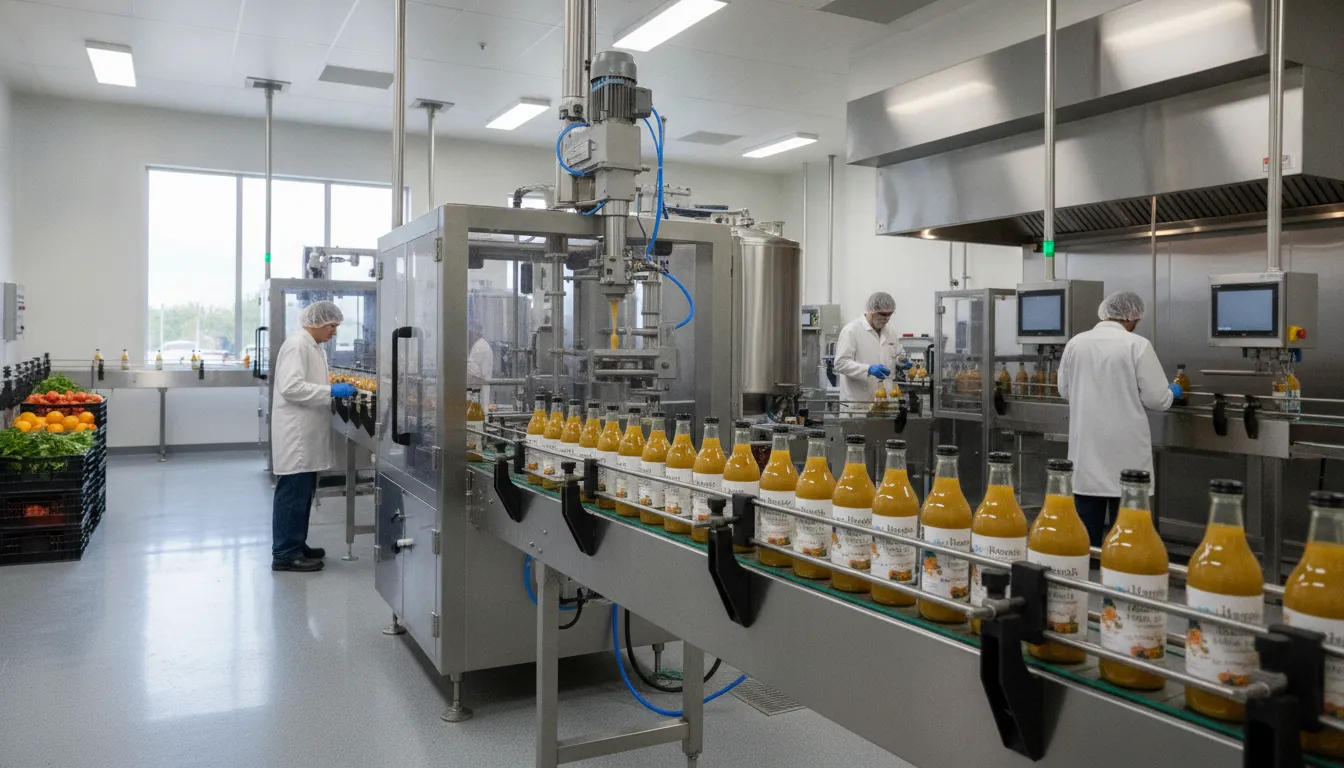
Once a food or beverage brand has consistent demand, making every batch in-house can become a constraint rather than an advantage. A qualified regional partner can provide production capacity, packaging support, and fulfillment without the capital commitment of building and operating a dedicated facility.
For growing brands, co-packing services southeast us providers offer a practical way to outsource manufacturing and packaging while staying closer to regional customers and distribution routes. The right partner should match your product type, order volume, quality requirements, and fulfillment needs, with clear standards for production and communication. Co-Packing Express in St. Petersburg, FL specializes in liquids and spices at 6,000 units per hour with low minimums of 100 gallons and 400 pounds.
Schedule a consultation with Co-Packing Express today to discuss your Southeast co-packing needs.
Co-Packing Express serves brands from its St. Petersburg, Florida facility, with a strong Southeast focus and national reach. Its integrated model covers manufacturing, packaging, and fulfillment, specializing in liquids and spices at up to 6,000 units per hour. Before comparing locations, capacities, or minimums, it helps to establish exactly what co-packing includes and how it differs from simply purchasing packaging services.
Co-Packing Services Southeast US: What Do They Include?
Key takeaway: Co-packing is a production partnership where a brand owner contracts with a manufacturer to produce and package products. For Southeast brands, this model provides access to commercial-scale production equipment, regulatory expertise, and integrated fulfillment without requiring a multimillion-dollar facility investment.
Co-packing is a production partnership in which a food or beverage brand hires another company to manufacture and package its products. The FDA describes this arrangement as co-manufacturing: the brand owner contracts with a second party to manufacture or process food on its behalf. Learn more from the FDA.
The terms co-packing, co-manufacturing, and contract manufacturing are commonly used interchangeably. The underlying model is the same: your brand owns the product concept, formula. Or specifications while a qualified manufacturing partner manages the production and packaging work required to bring it to market.
That distinction matters for growing brands. Building an in-house facility requires substantial investment in production equipment, packaging lines, utilities, staffing, quality systems, and ongoing maintenance. Contract manufacturing gives a brand access to an established facility and specialized equipment without making that long-term capital commitment. It also lets the internal team focus on product development, marketing, sales, and customer growth while the co-packer manages defined manufacturing responsibilities.
A co-packing engagement may cover some or all of the work between an approved formulation and a finished shipment. Depending on the partner and product, that can include batching, filling, labeling, case packing, quality checks, warehousing, and fulfillment. The scope should be documented in advance so both parties understand who supplies ingredients and packaging. Who owns the formula, what quality standards apply, and how finished goods are handled.
Explore our complete co-packing services guide for a broader look at how the model works and what to evaluate before entering a production partnership. The guide covers partner selection criteria, contract terms, and common pitfalls that growing brands encounter when engaging with a contract manufacturer for the first time.
Why Choose a Co-Packer in the Southeast US?
Key takeaway: A regional co-packer in the Southeast reduces freight costs, simplifies communication, and shortens the distance between your team and your production operation. For brands in Florida, Georgia, and the Carolinas, this proximity translates into faster turnaround times and lower logistics expenses.
For food and beverage brands in Florida, Georgia, South Carolina, North Carolina, and Alabama, a regional co-packer can make production easier to coordinate and faster to scale. Working with a partner in the Southeast reduces the distance between your team, your inventory, and your manufacturing operation. That can simplify communication, lower logistics costs, and help products reach distributors, retailers, and customers sooner.
Location matters most when a brand is growing but does not yet need a national manufacturing network. A nearby co-packer can reduce the freight distance associated with inbound ingredients and outbound finished goods. Regional production may also make it easier to resolve questions, coordinate production planning, and respond to changing demand. Industry guidance identifies logistics costs and communication as important reasons for regional brands to consider a local co-packer.
Built for flexible regional production
Co-Packing Express is based in St. Petersburg, Florida, with a regional focus across the Southeast and the ability to serve national markets. The facility specializes in liquids and spices, with production capacity of 6,000 units per hour. That combination gives established brands a practical path from smaller regional demand to larger production runs without changing partners as their volume increases.
Production flexibility is another advantage. Co-Packing Express offers 24/7/365 production scheduling, allowing brands to plan around launches, replenishment requirements, and seasonal demand. Consistent access to production time can help prevent avoidable delays when a product is ready for its next sales channel or when inventory needs to be rebuilt quickly.
Learn more about spice and powder production at Co-Packing Express.
A regional partner for speed to market
Speed to market depends on more than filling and packaging. It also depends on clear communication, practical freight planning, and a production partner that understands the pace of growing brands. Regional co-packers can shorten the path between product decisions and finished inventory, helping Southeast businesses move from approved plans to market availability more efficiently. For brands seeking co-packing services in the Southeast US, Co-Packing Express combines a St. Petersburg base, flexible scheduling, and high-volume liquids and spices production in one regional partnership.
Explore our regional contract manufacturing capabilities for dry products.
Who Uses Co-Packing Services in the Southeast?
Key takeaway: The brands that benefit most from Southeast co-packing are Amazon sellers, private label companies, DTC e-commerce brands. And spice manufacturers that have proven demand but have not yet reached the volume required by national industrial operators.
The Southeast is home to a growing concentration of food and beverage entrepreneurs, Amazon sellers, and direct-to-consumer brands. These businesses typically fall into the “missing middle” category: they have validated product-market fit, consistent sales. And a clear growth trajectory, but they operate below the 100,000-unit minimums demanded by large national co-packers. Co-packing services in the Southeast US serve this segment directly.
- Amazon FBA and FBM sellers ($1M-$10M revenue): These brands need reliable production that meets Amazon’s strict preparation, labeling, and shipping requirements. A co-packer with FBA/FBM compliance expertise eliminates the risk of inventory rejections or fulfillment delays. Read our guide to co-packing for Amazon sellers.
- Private label food manufacturers: Brands launching their own product lines under retail, e-commerce, or wholesale banners need a manufacturing partner that can produce consistent, label-ready inventory without requiring massive order commitments.
- Spice and powder companies: The specialty spice market continues to grow, and manufacturers with dedicated dry-blend capabilities are essential for brands that need precise formulation, allergen control, and proper powder handling equipment.
- DTC e-commerce brands: Direct-to-consumer food brands scaling beyond small-batch kitchen production require a co-packer that understands both manufacturing and the fulfillment workflows that keep online orders moving.
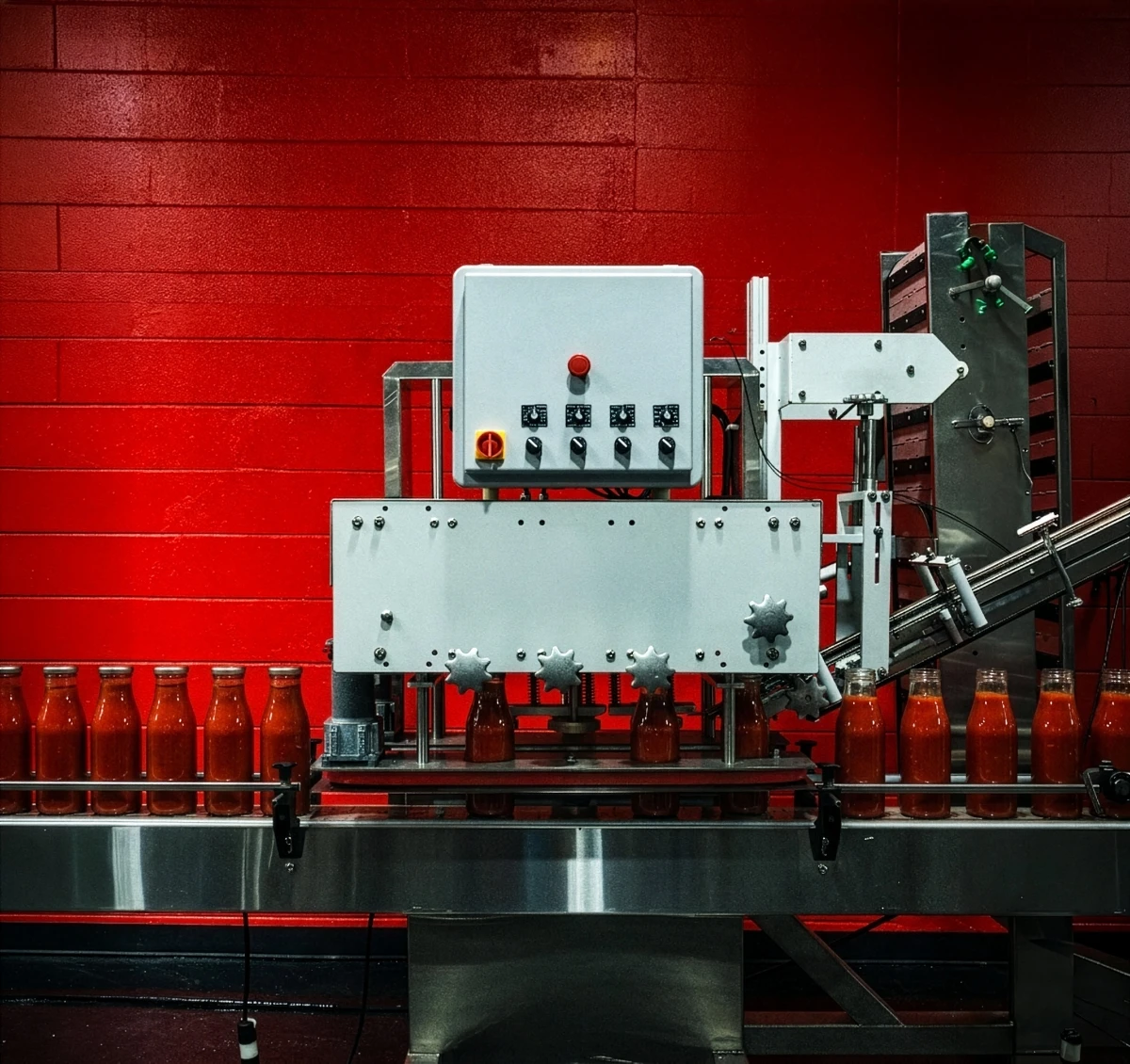
Each of these segments brings distinct product requirements, packaging formats, and fulfillment expectations. The right Southeast co-packer should be able to demonstrate experience across multiple product types and have the flexibility to adapt to different order profiles.
For Amazon sellers specifically, the ability to produce inventory that meets FBA inbound requirements while also supporting FBM direct-to-customer fulfillment can significantly simplify operations. Many Southeast co-packers now offer dedicated FBA prep services that include poly-bagging, barcode labeling, case-packing according to Amazon floor-ready standards, and direct shipment to fulfillment centers. Learn more about fulfillment services for food brands.
Private label brands frequently require nutritional panel development, ingredient declarations, and regulatory review as part of the production process. A co-packer with in-house label design and FDA compliance support can reduce time to market by eliminating the need to coordinate these services across separate providers.
What Co-Packing Services Are Available for Southeast Brands?
Key takeaway: The strongest co-packing partners offer an integrated model combining manufacturing, packaging, and fulfillment under one roof, reducing the complexity of coordinating multiple vendors across the production cycle.
Southeast brands often need more than a production line. They need a partner that can move a product from formulation and packaging through fulfillment without creating handoffs between multiple vendors. Co-Packing Express combines manufacturing, packaging, and fulfillment under one roof, creating an end-to-end solution for growing food and beverage companies.
Services available to eligible brands include:
- Liquid filling and bottling: Liquid products can be filled into bottles, jars, and other retail-ready formats, followed by sealing, labeling, and packaging. Bottle labeling and filling services help keep production and presentation coordinated from the start.
- Dry and powder co-packing: Dry products, including spices, seasonings, and powders, can be prepared and packed for retail or e-commerce distribution in pouches, jars, or bulk containers. Co-Packing Express has a particular specialization in spices and powders, making it a practical option for brands that need a focused regional contract manufacturing partner.
- Private labeling: Brands can use private labeling support to bring products to market under their own brand identity while relying on an established manufacturing and packaging operation.
- Kitting and assembly: Products, components, or packaging elements can be organized into finished kits and assembled for retail, promotional, or e-commerce requirements.
- FBA/FBM compliance support: Amazon sellers can ask about FBA/FBM requirements and professional preparation services before production begins. Aligning packaging and fulfillment requirements early helps reduce avoidable issues when inventory is ready to ship.
- Warehousing and fulfillment: Warehousing, order preparation, and distribution support can extend the relationship beyond manufacturing. Handling fulfillment alongside production gives brands a more comprehensive co-packing and fulfillment model rather than requiring separate logistics coordination.
This integrated model is designed for brands that have outgrown small-batch production but are not ready for the scale or minimums of a national industrial operator. Co-Packing Express focuses on liquids and spices with production capacity of 6,000 units per hour, while supporting brands that need a coordinated path from product preparation to distribution.
How to Evaluate and Select a Co-Packer
Key takeaway: Comparing co-packers against standardized criteria such as production capacity, minimums, compliance. And quality control helps you select a partner whose capabilities and operating style match your brand’s specific requirements.
The right Southeast co-packer should match your product requirements, growth plans, and operating standards. Compare partners against the same criteria, then ask for specific evidence during discovery. A facility with the right equipment and capacity can give a growing brand access to specialized production capabilities without the capital expense of building its own plant. But the relationship still depends on clear quality, communication, and ownership expectations.
| Evaluation Factor | What to Look For | Why It Matters |
|---|---|---|
| Production capacity | Ask about current throughput, available scheduling, equipment, product formats, and production tolerance. Confirm how the facility manages the industry-standard +/- 10% tolerance. | Your partner must be able to support the initial run and future growth without creating avoidable delays or inconsistent output. |
| Minimum order quantities | Request written minimums by product type, along with any requirements for ingredients, packaging, or test batches. | Minimums affect cash flow, inventory exposure, and whether the partnership fits your current sales volume. |
| FDA and HACCP compliance | Verify that the facility operates in line with FDA requirements and maintains HACCP-compliant preventive food-safety processes. Ask what documentation and records are available. | Documented food-safety controls reduce operational risk and give your brand a stronger basis for retailer and marketplace requirements. |
| Location and proximity | Consider the facility’s location relative to your suppliers, warehouse, customers, and target market. For brands seeking co-packing services in the Southeast US, assess regional freight routes and communication access. | A practical location can simplify inbound materials, outbound shipping, site visits, and coordination when issues arise. |
| IP protection | Confirm that the co-packer will sign an NDA and has a clear process for protecting proprietary formulations, specifications, and product information. | Written confidentiality expectations help protect the recipe and brand assets that differentiate your product. |
| Quality control processes | Review quality standards, batch records, testing, inspections, corrective-action procedures, and how deviations are communicated. | Aligned quality standards and transparent records make it easier to maintain consistency across production runs. |
| Service breadth | Determine whether the partner can coordinate manufacturing, packaging, warehousing, fulfillment, and logistics instead of handing off each stage to separate providers. | Broader capabilities can reduce handoffs, simplify accountability, and support a more efficient path from production to distribution. |
| FBA/FBM capability | Amazon sellers should ask whether the co-packer can meet both FBA and FBM preparation, labeling, packaging, and shipping requirements. | Marketplace-specific errors can delay inventory availability or create avoidable compliance and fulfillment problems. |
Use the comparison as a qualification tool, not just a price exercise. The strongest fit is a co-packer that can demonstrate capacity, protect your intellectual property, document its quality approach, and support the operational requirements of your sales channels. A thorough evaluation upfront reduces the risk of production delays, quality inconsistencies, or compliance gaps that can derail a product launch or damage retailer relationships.
When you have narrowed your options, request a facility tour or virtual walkthrough. Observing the production floor, warehouse organization, and quality control procedures directly gives you confidence that the operation matches its documented capabilities. Most reputable co-packers welcome this level of scrutiny because it signals a serious, long-term partnership.
Read our full guide on how to evaluate local co-packers near you.
The Co-Packing Process: From Recipe to Retail
Key takeaway: The co-packing process follows a structured seven-stage sequence from formulation through fulfillment. With defined milestones for test batches, quality inspection, and payment that protect both the brand and the manufacturer.
- Recipe formulation and test batches.
Start by documenting the formula, ingredients, target specifications, package size, and expected production volume. A test batch helps confirm that the recipe performs consistently at commercial scale before a full production run. At Co-Packing Express, test batches cost $2,500-$3,000. Consulting support is available at $300 per hour when a brand needs help refining its product or production plan.
- Quoting and agreement with NDA.
Once the product requirements are clear, the co-packer can prepare a quote covering production, materials, packaging, labor, and fulfillment requirements. The agreement should define responsibilities, specifications, timelines, payment terms, and the expected finished quantity. An NDA can protect proprietary recipes and product-development information before sensitive details are shared.
- Sourcing materials.
The next step is securing ingredients, containers, closures, labels, cartons, and other approved components. Confirm who purchases each material, how specifications are verified, and when everything must arrive at the facility. For planning purposes, Co-Packing Express generally works with minimums of 100 gallons for liquid products and 400 pounds for dry products.
- Production run.
After materials and documentation are ready, the facility schedules the batch, prepares the equipment, and produces the product according to the agreed formula and process. Clear production instructions reduce delays and help the team maintain consistency from the first run to later replenishment orders.
- Quality control and inspection.
Quality checks take place throughout production, including inspection of ingredients, fill quantities, seals, appearance, and finished goods. Establish acceptance criteria before manufacturing begins. A production tolerance of +/- 10% should be included in planning and expectations for the finished quantity.
- Packaging and labeling.
Finished product is filled, sealed, labeled, case-packed, and prepared for its intended sales channel. Review label details, lot or batch identification, case counts, and barcode requirements before packaging begins. This is especially important for brands preparing inventory for retail, e-commerce, or FBA/FBM distribution.
- Fulfillment and distribution.
The final stage moves finished inventory into storage, shipment, or fulfillment. A co-packer that also supports fulfillment can coordinate order preparation and distribution instead of requiring a separate handoff. That integrated approach helps Southeast brands keep production, packaging, and logistics aligned from the facility to the customer.
Requirements and capabilities vary by facility, so confirm your product scope, minimums, specifications, and delivery plan before approving the first run. Co-Packing Express FBA/FBM compliance services ensure your inventory meets marketplace requirements before it ships. By coordinating production and fulfillment through a single Southeast partner, brands can reduce logistics complexity and focus on growing their sales channels.
What Do Co-Packing Services Cost in the Southeast?
Key takeaway: Co-packing costs depend on product type, packaging format, and volume. Southeast brands should budget for test batches ($2,500-$3,000), consulting ($300/hour), and a 75% non-refundable deposit structure, with production subject to a +/- 10% tolerance.
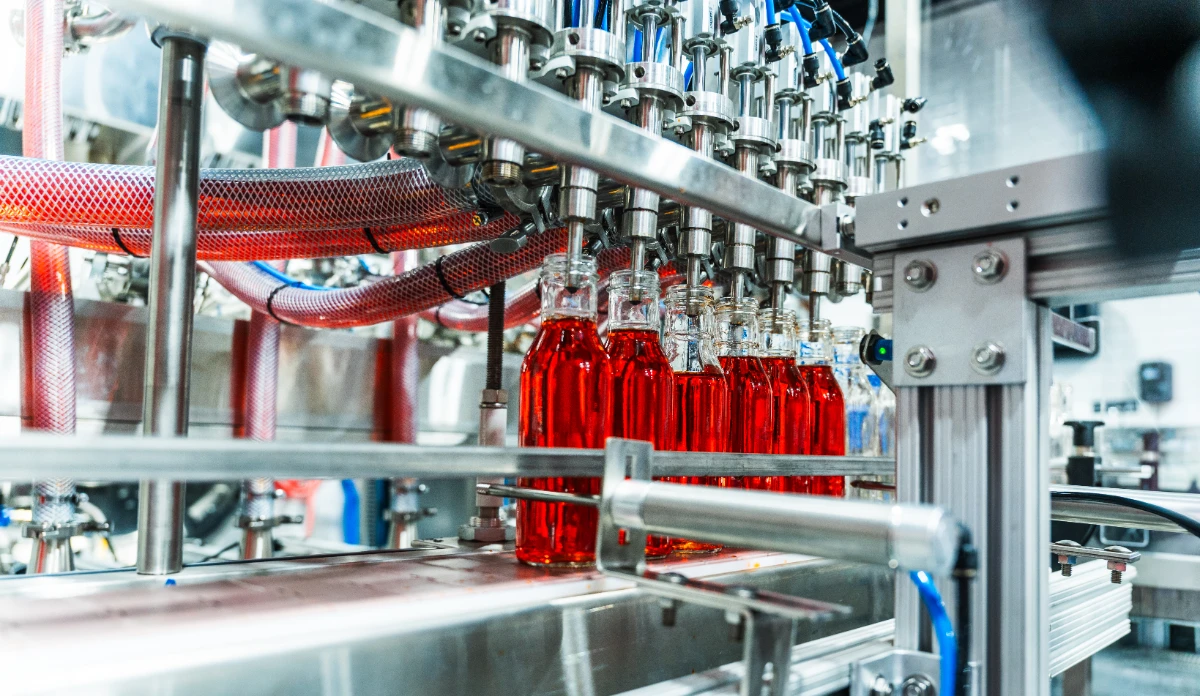
Co-packing costs depend on the product, formula, packaging format, ingredients, labor, and production volume. A useful first step is confirming the minimum order quantity (MOQ), then separating one-time development expenses from the recurring cost of manufacturing and fulfillment. For brands comparing co-packing services in the Southeast US, clear payment terms and production tolerances matter as much as the headline per-unit price.
Co-Packing Express works with minimums designed for growing food and beverage brands:
- Liquid products: 100 gallons minimum.
- Dry products: 400 pounds minimum.
These thresholds are substantially more accessible than the 100,000-plus unit minimums often associated with national operators. They serve the missing middle: Amazon FBA/FBM sellers, private label companies, and DTC brands generating roughly $1 million to $10 million in revenue. At this stage, a brand may have validated demand but still need to protect cash flow. Outsourcing production at a manageable volume provides access to commercial manufacturing without committing to a national-scale run or building a facility of its own.
What additional costs should you plan for?
Development and testing should be budgeted separately from the production run. Consulting is priced at $300 per hour. Test batches cost $2,500 to $3,000, and that amount is non-negotiable. These costs support the work required to evaluate a product before full-scale production, so they should be included in your launch plan rather than treated as unexpected charges.
For illustration, a 100-gallon BBQ sauce batch packaged in 12-ounce bottles may cost approximately $7,000. This is an example, not a universal quote. Your final estimate will depend on the recipe, ingredients, bottle and closure specifications, labels, case configuration, and fulfillment requirements.
Payment terms also affect working capital. The structure is a 75% non-refundable deposit followed by a 25% completion payment. Production is subject to a standard tolerance of plus or minus 10%, which means the final quantity can vary within that range. Confirm the expected output, packaging requirements, and payment schedule before approving a production run. That discussion gives both sides a practical basis for planning inventory, launch timing, and distribution.
Compare contract packaging companies in Florida serving Southeast brands.
Compliance and Food Safety in Co-Packing
Key takeaway: FDA registration, HACCP-compliant preventive controls, NDA protection. And documented batch records are the essential compliance pillars that every Southeast co-packer should demonstrate before you share your formulation or approve production.
For Southeast brands, food safety compliance protects customers, preserves retailer relationships, and creates a repeatable foundation for growth. A co-packer should be able to explain how it manages regulatory responsibilities, documents production decisions, and verifies each batch, not simply describe its equipment or capacity.
FDA registration and HACCP controls
Facilities that manufacture, process, pack, or hold food for consumption in the United States are generally required to register with the FDA. FDA facility registration requirements should be part of the initial due diligence process when comparing co-packing services in the Southeast US.
HACCP, or Hazard Analysis and Critical Control Point, is a preventive food safety approach. It identifies potential hazards in the production process and establishes controls to reduce the risk of an unsafe product. The FDA’s HACCP guidelines provide a framework that many co-packers follow. For contract manufacturers handling spices and powders, HACCP controls are particularly important because dry products present distinct allergen cross-contact and contamination risks. A qualified co-packer should be able to walk through its HACCP plan, critical control points, and monitoring procedures during your facility evaluation.
Co-Packing Express operates in compliance with FDA 21 CFR Part 117 (Current Good Manufacturing Practices) and maintains HACCP-compliant processes. The facility documents batch records, conducts in-process inspections, and follows established corrective-action procedures when deviations occur. For brands with acidified or low-acid products, the facility supports FDA scheduled process filing, which is a regulatory requirement for these product categories. Read more about quality control standards at Co-Packing Express.
Documentation is a critical part of the compliance framework. Each production run generates batch records that track ingredient lots, processing parameters, inspection results, and finished product testing. This documentation supports traceability in the event of a quality issue and provides the evidence that retailers, distributors, and regulatory auditors typically request during their own supplier qualification processes.
Product safety measures.
Beyond regulatory compliance, a responsible co-packer implements practical measures to protect product integrity. These measures cover every stage of the production cycle. They include:
- Test batches before full production: Every new product runs through a paid test batch at $2,500-$3,000 to validate the formula at commercial scale before committing to a full production run.
- Lot tracking and traceability: Each production batch receives a lot number with associated records covering ingredients, production conditions, and finished goods testing, supporting recall capability if needed.
- Climate-controlled storage: Ingredients and finished products are stored in climate-controlled environments to preserve stability, particularly important for spice and powder products.
- NDA protection for formulations: Proprietary recipes and product specifications are protected through signed non-disclosure agreements before any sensitive information is shared.
Frequently Asked Questions
What is the difference between co-packing and contract manufacturing?
The terms are used interchangeably in the food and beverage industry. Both describe a partnership where a brand owner contracts with an external facility to manufacture and package its products. Some facilities distinguish between co-packing (packaging-focused) and co-manufacturing (production-focused), but most Southeast co-packers offer both capabilities as part of an integrated service model.
How much does co-packing cost for a small brand in the Southeast?
Costs vary by product type, volume, and packaging complexity. A 100-gallon liquid batch in 12-ounce bottles typically runs approximately $7,000 including materials and labeling. Test batches cost $2,500-$3,000. Brands should also budget for consulting at $300/hour if formulation support is needed. Most Southeast co-packers require a 75% deposit with the balance due on completion.
What minimum orders do Southeast co-packers require?
Minimums vary widely by facility. Co-Packing Express works with 100 gallons for liquid products and 400 pounds for dry products. These are substantially lower than the 100,000-plus unit minimums common among national industrial operators, making professional co-packing accessible to growing Southeast brands.
Can a co-packer handle both manufacturing and Amazon FBA fulfillment?
Yes, some Southeast co-packers offer integrated FBA/FBM compliance services. Co-Packing Express supports Amazon sellers with preparation, labeling, packaging, and shipping that meets marketplace requirements. Working with a single partner for both production and fulfillment reduces handoffs and helps prevent compliance-related delays at the Amazon receiving center.
How do I verify a co-packer is FDA compliant?
Ask the facility directly about its FDA registration status and HACCP plan. A qualified co-packer should be willing to discuss its compliance documentation, batch records, inspection history, and corrective-action procedures. Co-Packing Express operates under FDA 21 CFR Part 117 with HACCP-compliant processes and maintains thorough documentation for every production run.
Ready to Start Your Co-Packing Journey?
Choosing the right co-packing partner in the Southeast US is one of the most important decisions a growing food or beverage brand can make. The right facility provides production capacity, compliance expertise, packaging support. And fulfillment coordination that lets your team focus on product development, sales, and customer growth instead of factory operations.
Co-Packing Express combines a St. Petersburg, Florida base with low minimums, flexible 24/7/365 scheduling, and an integrated manufacturing-to-fulfillment model. Whether you need liquid filling and bottling, dry powder production, private labeling, or Amazon FBA/FBM preparation. Our team can help you evaluate your product requirements and develop a production plan that matches your growth stage. Our production facilities are equipped for both liquid and dry products with a combined throughput of 6,000 units per hour. Giving growing Southeast brands the capacity they need without requiring national-scale order volumes.
Every engagement begins with a consultation to understand your product specifications, volume requirements, packaging preferences, and distribution channels. From there, we guide you through test batches, production planning, and fulfillment setup so your brand moves from formulation to finished inventory as efficiently as possible. Explore private label food manufacturing options in Florida.
Contact Co-Packing Express today to discuss your Southeast co-packing needs and request a quote.