


What Is Powder Filling? A Guide to the Process

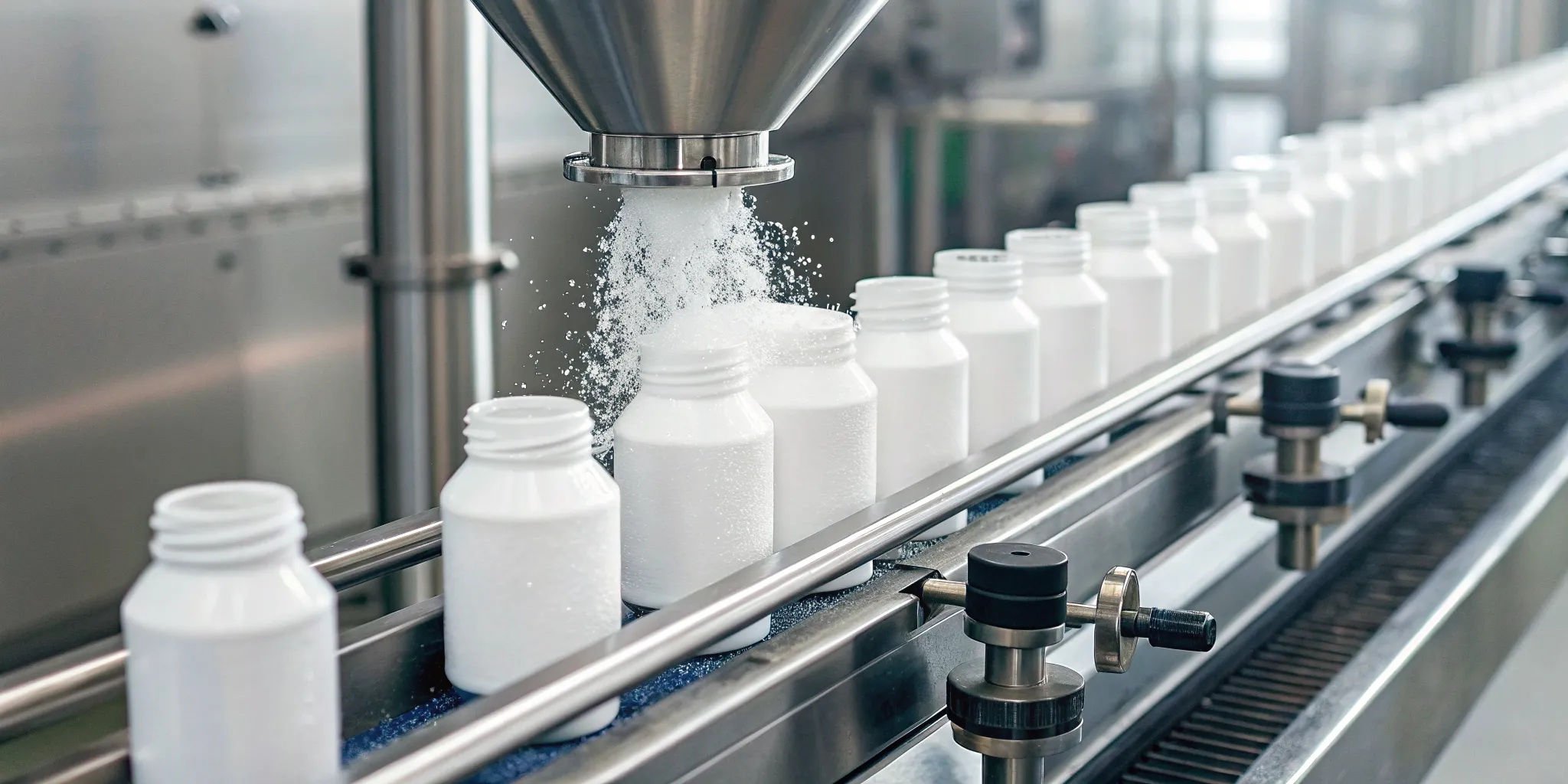
You’ve perfected your product formula. The blend is unique, the quality is high, and you know customers will love it. But the next step can feel daunting: how do you get that perfect powder into thousands of packages consistently and efficiently? The secret behind many successful brands is a process they’ve mastered, either in-house or with a partner. If you’re wondering what is powder filling?, you’re asking the right question to bridge the gap between a great product and a successful business. It’s the essential manufacturing step that ensures every customer gets the same quality experience, turning your brilliant idea into a professional, shelf-ready product line.
Key Takeaways
- Automate to grow your business: Powder filling machines replace slow manual labor, giving you the speed and precision to meet higher demand, reduce waste, and deliver a consistent product every time.
- Choose equipment based on your product: Not all powders are the same; your product’s unique traits, like flowability and density, determine the best filling method. Selecting the right machine is essential for accurate fills and smooth production.
- Consider outsourcing as a strategic move: Partnering with a co-packer gives you access to top-tier machinery and expertise without the high upfront cost and operational headaches, letting you focus your resources on building your brand.
What Is Powder Filling and How Does It Work?
Powder filling is the process of accurately measuring and dispensing powdered or granular products into containers. Think about the products you use every day: the protein powder in your smoothie, the cinnamon for your toast, or even the dry mix for your favorite cake. Getting the right amount of product into each package consistently is what powder filling is all about. This process is a cornerstone of manufacturing for countless industries, ensuring that products are packaged correctly, safely, and efficiently before they ever reach a store shelf or a customer’s doorstep.
At the heart of this operation are powder filling machines. These specialized pieces of equipment are designed to handle a wide range of product types, from fine, dusty powders that can easily become airborne to more granular substances that flow differently. The goal is always the same: to fill each container with a precise amount of product, minimizing waste and maximizing consistency. For any business selling a powdered product, understanding the fundamentals of bottling and filling is the first step toward creating a professional and reliable product line that customers can trust.
The Powder Filling Process Explained
The powder filling process is a key stage in manufacturing and packaging. It starts with a bulk supply of your powder, which is loaded into a hopper on the filling machine. The machine then measures a precise quantity of the product, either by volume or by weight. Once measured, it dispenses the powder into a container, which could be anything from a small spice jar to a large bag. This cycle repeats with incredible speed and accuracy, filling container after container.
This automated process is essential for ensuring every package meets your quality standards. For products like spices and powders, consistency is everything. Customers expect the same amount of product every time they make a purchase, and manual filling simply can’t deliver that level of precision. By automating this step, you guarantee a uniform product experience while preparing your items for the next stages of sealing, labeling, and distribution.
Key Features to Look for in a Powder Filling Machine
When you’re evaluating powder filling equipment, either for purchase or through a co-packing partner, certain features make a world of difference. Modern machines often include programmable logic controllers (PLCs) and servo-driven systems. In simple terms, these are the brains and muscles of the machine, allowing for incredibly precise, repeatable fills with minimal error. A user-friendly human-machine interface (HMI), which is usually a touchscreen, lets an operator easily set parameters, adjust fill weights, and monitor the production run.
Beyond the core technology, look for features that support your specific needs. For example, dust-collection systems are vital when working with fine powders to maintain a clean and safe environment. The ability to easily clean and swap out parts is also crucial for preventing cross-contamination between different products. Ultimately, the right machinery is a cornerstone of your quality control strategy, ensuring every unit you produce is perfect.
Exploring the Types of Powder Filling Machines
When you think about filling a container with powder, it might seem straightforward. But the reality is that different powders behave in very different ways. Some are fine and dusty, others are granular and free-flowing, and some are dense and sticky. Because of this, there isn’t a one-size-fits-all solution for getting your product into its final packaging. The type of machine used for co-packing depends entirely on the product’s characteristics, the required fill accuracy, and the desired production speed. This is a critical detail that can impact everything from your profit margins to customer satisfaction.
Understanding the main types of powder filling machines can help you make a more informed decision when choosing a partner for your product. Each machine is designed to handle specific challenges, from preventing dust clouds with fine flours to ensuring every jar of expensive spice gets the exact same amount. The three primary methods you’ll encounter are auger, volumetric, and gravimetric filling. Each has its own strengths, and knowing the difference is key to getting your product packaged correctly and efficiently. Let’s look at how each one works and what it’s best suited for, so you can feel confident in the process from start to finish.
Auger Fillers
Auger fillers are the workhorses of the powder filling world. They use a long, screw-like tool (the auger) that rotates inside a funnel to dispense a specific amount of powder into a container. The amount of product dispensed is controlled by the number of times the auger rotates. This method is incredibly versatile, which is why auger fillers are considered the “main machines for filling powders.” They can handle everything from fine, non-free-flowing powders like cocoa and flour to more granular products. This makes them an ideal choice for companies working with a wide variety of spices and powders. They come in several configurations, including semi-automatic for smaller runs and high-speed rotary models for large-scale production.
Volumetric Fillers
Volumetric fillers work a bit like using a measuring cup. Instead of weighing the product, the machine dispenses a pre-set volume of powder into each container. This method is fast and efficient, making it a great option for products that have “consistent flow characteristics” and density. Think of products like granulated sugar or salt that flow easily and predictably. Because they fill by volume, these machines can operate at very high speeds. While they may not offer the pinpoint accuracy of a weight-based system, they provide excellent consistency for the right type of product, making them a staple in high-volume bottling and filling operations.
Gravimetric Fillers
When precision is non-negotiable, gravimetric fillers are the answer. These machines use a scale to measure the product by weight as it’s dispensed, which is why they are also known as “fill-to-weight” systems. This method allows for “very accurate dosing,” making it perfect for high-value products, pharmaceuticals, or nutraceuticals where every gram counts. The process might be slightly slower than volumetric filling, but the trade-off is exceptional accuracy and consistency. This precision minimizes product giveaway and ensures you meet strict regulatory standards, making it a critical part of any serious quality control process.
What Industries and Products Use Powder Filling?
Powder filling is a surprisingly versatile process that touches almost every part of our daily lives. From the seasoning in your pantry to the supplements in your medicine cabinet, precise and efficient filling is key to delivering a quality product. This technology is essential across several major industries, each with its own unique needs and products. Let’s look at where powder filling makes the biggest impact.
Food and Spices
The food industry is one of the largest users of powder filling technology. Think about the products you use every day: flour, sugar, coffee grounds, protein powders, and baking mixes all need to be packaged accurately. For spices and seasonings, consistency is everything. A little too much or too little of an ingredient can completely change a recipe’s flavor. Our work with spices and powders shows just how critical this is. Powder filling ensures every container has the exact same amount, protecting brand integrity and keeping your customers happy with every purchase they make.
Pharmaceuticals and Nutraceuticals
In the pharmaceutical and nutraceutical worlds, precision isn’t just important; it’s a requirement. When dealing with vitamins, supplements, and medicinal powders, accurate dosing is directly tied to consumer safety and product effectiveness. An incorrect fill could have serious consequences. This is why the industry relies on highly precise powder filling machines that can guarantee consistency down to the milligram. Strict regulations demand meticulous processes, making a partner who understands quality control an invaluable asset for any brand in this space. This ensures every single product meets the highest standards for safety and reliability.
Cosmetics and Beauty
The cosmetics aisle is another place where powder filling shines. Products like loose setting powders, powdered foundations, blush, and even baby powder depend on this technology for a consistent and high-quality finish. For beauty brands, the user experience is paramount. A container that is underfilled looks unprofessional, while an overfilled one can create a mess. Many emerging beauty brands get their start through private labeling, where they can bring their unique vision to life without investing in their own production lines. Powder filling helps these brands package their products beautifully and efficiently, ready for their big debut.
Construction and DIY
It might not be the first industry that comes to mind, but construction and home improvement also rely heavily on powder filling. Products like cement mixes, grout, joint compounds, and wall repair fillers are all packaged using this method. For these items, accurate filling ensures the end-user has the correct ratio of ingredients for proper mixing and application. An incorrect amount could compromise the structural integrity or finish of a project. This application shows the incredible range of co-packing services and how a seemingly simple process is fundamental to product performance across completely different markets.
Why Use a Powder Filling Machine?
If you’re still scooping and weighing your powder products by hand, you already know it’s a slow and often messy process. As your business grows, manual filling becomes a major bottleneck that holds back your production capacity. Investing in a powder filling machine, or partnering with a co-packer who uses them, is a game-changer. It’s not just about buying equipment; it’s about making a strategic move to scale your operations, improve your product quality, and strengthen your bottom line. Let’s look at the key reasons why automating your powder filling is one of the smartest decisions you can make for your brand.
Greater Speed and Efficiency
The most immediate benefit of a powder filling machine is the dramatic increase in production speed. What might take your team hours to fill by hand can be accomplished in a fraction of the time. Modern powder filling lines use advanced technology like programmable logic controllers and servo-driven systems to create a faster and more efficient operation. This means you can meet higher demand, get your products to market quicker, and take on larger orders without breaking a sweat. By streamlining your bottling and filling process, you create a more agile business that can respond to opportunities as they arise.
Pinpoint Accuracy and Consistency
Powder filling machines are engineered to fill every container with an exact amount of product, every single time. This level of precision is nearly impossible to achieve manually. Pinpoint accuracy is crucial for several reasons: it ensures a consistent customer experience, meets regulatory weight requirements, and prevents product giveaway from overfilling. Each gram you save adds up, protecting your profit margins. Consistent fills also reinforce your brand’s commitment to quality. When customers know they’re getting exactly what they paid for, you build trust and loyalty. This is a core component of any effective quality control strategy.
Reduced Labor Costs Through Automation
Repetitive tasks are expensive. Automatic powder filling machines can significantly reduce the need for manual labor, which directly translates to lower labor costs and increased productivity. Instead of having your team spend their days on the tedious task of filling containers, you can reallocate their time and talent to more valuable activities. They can focus on innovation, marketing, customer service, or new product development. Automation frees up your most valuable resource, your people, to work on growing the business, not just running it.
Sustainable Practices and Less Waste
In a world where consumers increasingly favor eco-conscious brands, sustainability is smart business. The precision of powder filling machines plays a key role in reducing waste. By minimizing overfills and product spillage, you conserve your raw materials and send fewer rejected packages to the landfill. This enhanced precision contributes directly to more sustainable operations. For businesses working with spices and powders, where fine particles can easily become airborne and wasted, this is especially important. Less waste means lower costs and a smaller environmental footprint, a win-win for your business and the planet.
Common Powder Filling Challenges (and How to Solve Them)
Powder filling is a fantastic way to scale your production, but it’s not always a straight path from hopper to package. Working with powders presents unique challenges that can affect everything from product quality to your bottom line. The good news is that every common problem has a smart solution. Understanding these potential hurdles is the first step to creating a smooth, efficient, and successful production line. Let’s look at some of the most frequent challenges and, more importantly, how to solve them.
Solving Powder Flow and Segregation Issues
One of the trickiest parts of working with powders is that they don’t all behave the same way. Some, like granulated sugar, are free-flowing, while others, like cocoa powder, are cohesive and prone to clumping. This can lead to inconsistent flow and inaccurate fills. Another common issue is segregation, where particles of different sizes or densities separate within a blend. Imagine your perfect spice mix losing its balance because the heavier ingredients sink to the bottom. The key to solving this is using equipment designed for your specific product. The right hopper shape and auger filler can make all the difference, ensuring your blend stays consistent from the first package to the last. This is especially critical for spices and powders where flavor balance is everything.
Preventing Dust and Contamination
Fine powders have a tendency to create dust, which can be more than just a housekeeping issue. Airborne particles mean lost product, a potential safety hazard for workers, and a serious risk of cross-contamination between different batches. If you’re running an allergen-free product after one that contains nuts, for example, even a tiny amount of dust can cause major problems. Effective dust control is non-negotiable. Professional facilities use enclosed filling systems, specialized dust hoods, and powerful ventilation to keep the air clean and the product pure. A rigorous quality control process ensures that every product is protected from contamination, maintaining its integrity and safety for your customers.
Streamlining Equipment Calibration and Maintenance
A powder filling machine is a piece of precision machinery, and it needs to be treated like one. If the equipment isn’t calibrated correctly, you risk inaccurate fill volumes. Consistently under-filling can lead to unhappy customers and legal issues with net weight labeling, while over-filling eats directly into your profits. Beyond calibration, regular maintenance is essential to prevent clogs, blockages, and mechanical failures that cause costly downtime. The solution is a proactive approach: a strict schedule for cleaning, calibration, and preventative maintenance. Partnering with a co-packer ensures your bottling and filling is handled by experts who keep their equipment in peak condition, so you don’t have to worry about unexpected production halts.
Staying on Top of Regulatory Compliance
The rules and regulations for consumer products, especially in the food and supplement industries, are complex and constantly changing. From accurate net weight statements and nutritional labeling to allergen warnings and FDA guidelines, there’s a lot to manage. Getting it wrong can lead to fines, recalls, or getting your product pulled from shelves. For ecommerce sellers, there are additional layers of rules to follow. The solution is to work with a partner who lives and breathes compliance. An experienced co-packer will already have systems in place to meet all regulatory standards, including providing FBA/FBM compliant services, taking the burden of compliance off your shoulders so you can focus on growing your brand.
What’s Next in Powder Filling Technology?
The world of manufacturing is always moving forward, and powder filling is no exception. Staying aware of the latest trends isn’t just about having the newest equipment; it’s about making your business smarter, more efficient, and better aligned with what your customers want. For anyone in the food, spice, or supplement industry, these advancements can directly impact your bottom line and brand reputation. Let’s look at the three biggest shifts happening in powder filling technology right now and what they mean for your business.
Smart Technology and IoT Integration
You’ve probably heard the term Internet of Things (IoT), which simply means physical devices are connected to the internet, allowing them to collect and share data. In powder filling, this is a game-changer. Smart machines can monitor their own performance in real time, flagging potential issues before they cause a shutdown. This predictive maintenance saves both time and money. This technology also provides valuable data that helps refine the entire production line, ensuring every batch meets the highest standards. This commitment to technological oversight is a core part of modern quality control.
The Shift to Sustainable Packaging
Today’s consumers are more environmentally conscious than ever, and they expect brands to be, too. This has pushed the industry toward sustainable packaging solutions, like compostable pouches, recycled plastics, and biodegradable containers. But sustainability goes beyond just the materials. Advanced powder filling machines contribute by being incredibly precise, which minimizes product waste during production. By partnering with a provider who understands both efficient processes and sustainable packaging and assembly, you can meet consumer demand for greener products and run a more efficient operation.
Advances in Precision and Customization
Modern powder filling equipment is achieving incredible levels of accuracy. For businesses working with high-value products like organic spices or specialized supplements, this precision is critical. It ensures that every single container has the exact right amount of product, preventing costly overfills and protecting your brand from the risks of underfilling. Technology also allows for greater customization. Machines can be quickly and easily adjusted to handle different powders, container sizes, and fill weights. This flexibility is essential for brands that have a diverse product line or want to offer seasonal items, especially when dealing with delicate spices and powders.
How to Choose the Right Powder Filling Machine
Picking the right powder filling machine is a major decision for your business. It’s more than just a purchase; it’s an investment in your production line’s future. The right equipment can streamline your operations, ensure product consistency, and support your growth. But with so many options available, how do you make the right choice? It comes down to carefully evaluating a few key areas of your business.
Before you start comparing models and prices, take a step back and look at your specific needs. You’ll want to think about the unique properties of your product, your current and future production demands, and your budget. It’s also wise to consider whether buying a machine is even the right move for you right now. By breaking down the decision into these smaller, manageable steps, you can confidently select a solution that fits your business perfectly.
Understand Your Product’s Characteristics
It’s easy to think, “It’s all just powder, so any machine will do.” This is a common misconception that can lead to costly mistakes. The truth is, every powder behaves differently. Key characteristics like flowability, density, and particle size will determine which machine works best. For example, fine, non-free-flowing powders like cocoa or powdered sugar often require an auger filler to dispense them accurately.
Take the time to analyze your product. Is it a free-flowing granular spice or a dense, sticky protein powder? Understanding these details is the first and most critical step. Getting this right ensures you choose a machine that handles your product consistently, preventing clogs, inaccurate fills, and wasted inventory. We have extensive experience with all kinds of spices and powders and know just how much these subtle differences matter.
Define Your Speed and Volume Needs
Next, think about how much product you need to pack and how quickly you need to do it. Are you a startup filling a few hundred units a week, or are you scaling up to meet demand from major retailers? Your answer will guide you toward a semi-automatic machine for smaller batches or a fully automatic, turn-key powder filling line for high-volume production. As some reports show, the right system can increase production speed by up to 50%.
Be honest about your current output and try to project your growth over the next few years. It’s a balancing act. You don’t want to over-invest in a machine that’s too powerful for your needs, but you also don’t want to outgrow your equipment in six months. Planning for scalability now will save you from production bottlenecks later.
Calculate Your Budget and ROI
The price tag on a powder filling machine is only part of the financial picture. High initial investment costs and the need for skilled operators can be significant hurdles. When you’re creating a budget, be sure to account for the total cost of ownership. This includes the machine’s price plus costs for shipping, installation, employee training, and ongoing maintenance.
From there, you can calculate your potential return on investment (ROI). Consider how automation will reduce labor costs, how accurate filling will minimize product waste, and how faster production will increase your overall output. A machine might seem expensive upfront, but if it pays for itself in a year or two through efficiency gains, it’s a smart investment for your company’s long-term health.
Know When to Outsource Your Powder Filling
Sometimes, the best machine for your business is no machine at all. With the demand for powdered products growing, many brands find that outsourcing is a more strategic and cost-effective solution. If you’re a startup with limited capital, experiencing a sudden surge in demand, or simply want to focus on brand growth instead of logistics, partnering with a co-packer is an excellent option.
Outsourcing your bottling and filling allows you to access state-of-the-art equipment and expertise without the hefty investment and operational headaches. It gives you the flexibility to scale up or down as needed and lets you lean on a partner to handle the complexities of production. This frees you up to do what you do best: build your brand and connect with your customers.
Frequently Asked Questions
My powder product is unique. How do I know which type of filling machine is right for it? The best machine really depends on your product’s specific personality. Factors like how easily it flows, its density, and its particle size all play a part. For example, a fine, non-free-flowing powder like flour needs a different approach than a granular, free-flowing product like salt. The most reliable way to know for sure is to have your product analyzed by a professional who can match its characteristics to the right equipment, whether that’s a versatile auger filler or a highly precise gravimetric system.
What’s the biggest benefit of automating powder filling instead of doing it by hand? While there are many benefits, the most significant are speed and accuracy. A machine can fill containers much faster than a person, allowing you to produce more product in less time. More importantly, it fills each package with a precise, consistent amount. This protects your profit margins by preventing product giveaway from overfilling and builds customer trust by ensuring they get exactly what they paid for, every single time.
I’m worried about my special spice blend separating during packaging. How is that prevented? That’s a very common and valid concern, especially with complex blends where ingredients have different sizes or weights. This issue, called segregation, is solved by using the right equipment and process. Professional filling operations use specialized augers and hoppers designed to keep the powder in motion and properly mixed. This ensures that the first container filled has the exact same ingredient ratio as the very last one.
Is it better to buy my own machine or work with a co-packer? This is a strategic decision that depends on your business goals. Buying a machine requires a significant upfront investment, plus ongoing costs for maintenance, training, and space. For many brands, especially those that are growing or have diverse product lines, outsourcing to a co-packer is a more flexible and cost-effective solution. It gives you access to state-of-the-art equipment and expertise without the financial commitment, letting you focus on building your brand instead of managing production lines.
How does a professional filling process handle issues like dust and potential contamination? A professional setup takes dust and contamination very seriously. Facilities use enclosed filling systems and specialized dust hoods to capture airborne particles at the source, which keeps the product pure and the work environment safe. Furthermore, there are strict cleaning and sanitation protocols in place between every production run. This is especially important when switching between different products, as it prevents any cross-contamination and ensures the integrity of your product.