


How to Scale Food Product to Co-Packer, Step by Step

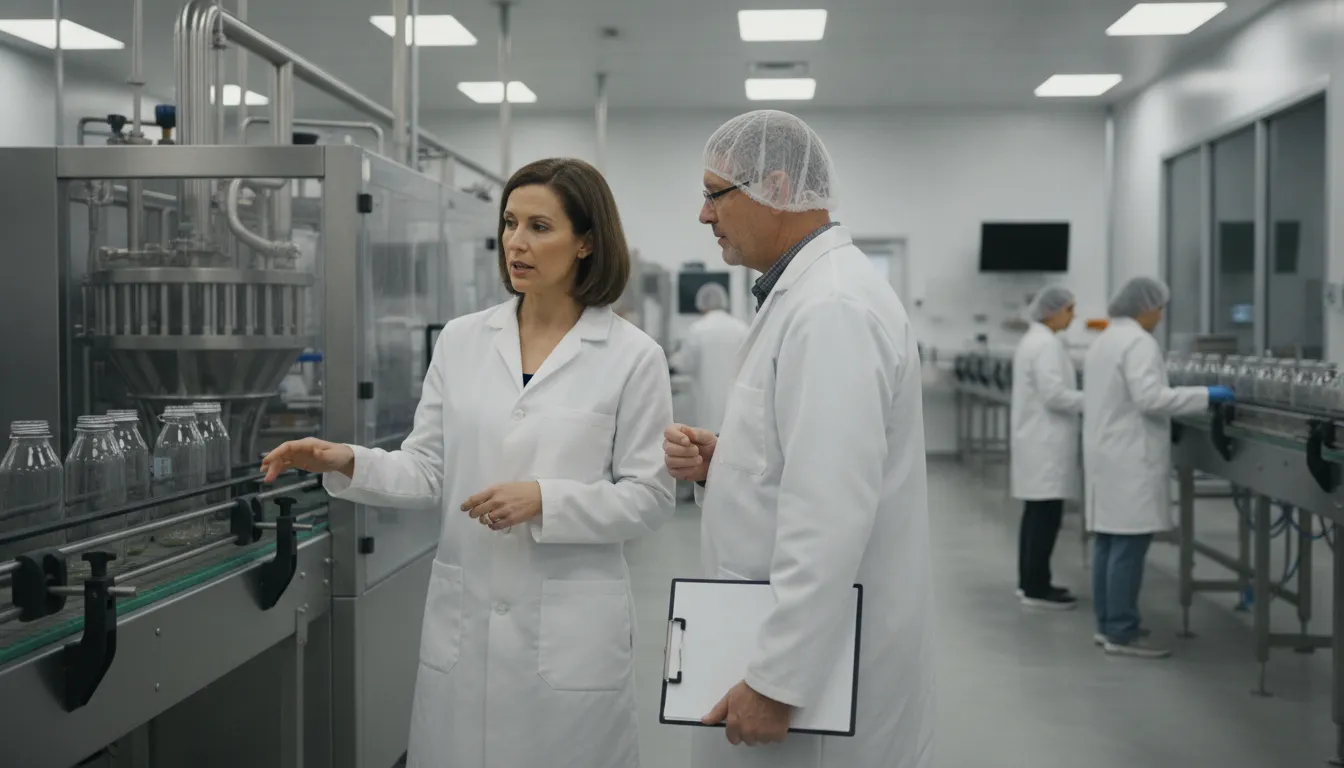
A kitchen incubator can help you prove demand, refine a recipe, and ship your first orders. The next challenge arrives when shared equipment, production windows, and manual labor begin limiting reliable growth.
To understand how to scale food product to co-packer, first confirm that your formula and demand are ready for commercial production. Then organize recipe, packaging, safety, volume, and timeline details for a qualified partner. This approach helps you increase output without immediately investing in a facility, equipment, or full production team.
For a practical foundation, review this complete guide to co-packing for food and beverage brands. Then assess whether your current kitchen setup is creating a temporary inconvenience or a genuine production ceiling. The answer depends on order volume, consistency requirements, compliance responsibilities, and the capital required for your next stage.
How to Know When to Scale Your Food Product to a Co-Packer
Kitchen incubators and commissary spaces can help validate a product. The decision changes when your current facility cannot support reliable commercial volume.
The University of Florida notes that shared facilities may eventually lack the size or availability needed for higher production volumes. That capacity ceiling is often the first clear signal to evaluate co-packing fundamentals. A co-packer provides production capacity without requiring you to operate every step from a shared kitchen.
Your orders are outgrowing the hours available
Track production hours against confirmed orders, repeat demand, and expected growth. If evenings and weekends are becoming normal, your process may be limiting sales instead of supporting them.
Another warning sign is inconsistent fulfillment. Delayed production, rushed batches, or missed retailer and marketplace deadlines indicate that the current setup cannot absorb demand. A commercial partner can give your team a more dependable production schedule while you focus on sales, product development, and customer relationships.
Compliance and operating responsibility are expanding
Scaling food production adds more than equipment. Recipe controls, batch records, ingredient specifications, sanitation procedures, quality checks, and traceability require documented systems.
Those responsibilities become harder when you are also managing staffing, purchasing, packaging, fulfillment, and customer support. The University of Florida identifies co-packing as a practical option when a business is not ready to hire staff or operate industrial equipment at high volume. That decision should support FDA compliant and HACCP compliant production practices.
Before moving forward, confirm that your recipe is refined and tested for industrial production. A co-packer will still need accurate specifications, but the right partner can help translate a validated product into a repeatable manufacturing process.
The capital math favors outsourcing
Building a dedicated facility can create control, but the initial investment is substantial. One industry estimate places equipment costs at $50,000 to more than $1 million, before real estate, certifications, staff, and operating expenses.
For many growing brands, those costs are difficult to justify before demand is predictable. Contract processing can reduce the need for major upfront equipment investment. Review this co-packing cost breakdown alongside your forecast, cash position, and required production volume.
Co Packing Express serves the missing middle: brands that are too large for kitchen incubators, yet too small for national operators. If your operation has reached that point, learn what co-packing is and how it works before choosing your next production model.
| Factor | Kitchen incubator | Commercial co-packer |
|---|---|---|
| Production capacity | Shared equipment and limited hours | Dedicated lines of 6,000 units per hour |
| Upfront capital | Low, but limited by facility | No facility build; test batch only |
| Compliance burden | Owner manages every step | FDA and HACCP compliant systems |
| Scaling timeline | Constrained by shared schedule | New product in 4-8 weeks, repeats in 20 days |
The table compares the two routes across the factors that decide most founders: capacity, capital, compliance, and time. Use it to see where your current setup stops fitting your growth.
How to Prepare Your Recipe for Commercial Co-Packing
A commercial recipe must be more than delicious. It must deliver consistent yields, repeatable quality, and a documented process that supports FDA compliant production at industrial scale.
Scale the formula before you scale the order
Start by converting household measurements into weights wherever possible. Record the exact ingredient quantities, batch yield, mixing order, processing time, and finished fill weight.
Run multiple pilot batches and compare the results. Track yield consistency, texture, flavor, viscosity, and package fill levels. A recipe that works once may still need refinement before a production run.
Ingredient sourcing also changes at commercial volume. Confirm supplier capacity, specifications, lot documentation, and continuity before approving the formula. A substitute ingredient can alter performance, shelf life, or labeling requirements.
Before production, recipes should be refined, tested, and prepared for compliant, FDA-regulated industrial production. Contract processing guidance supports this preparation step.
Build allergen and food-safety controls into the formula
Document every ingredient and identify allergens before sending the recipe to a co-packer. Provide specifications, certificates of analysis, handling instructions, and any known cross-contact risks.
Commercial partners should be able to explain their quality-control, allergen-management, and traceability procedures. These controls connect your formula to supplier lots, batch records, testing, and finished products.
Shelf-life testing should match the actual formula and package. Evaluate product stability, storage conditions, and food-safety requirements before setting a retail date. Acidified or otherwise process-sensitive products may require additional technical review.
Contract processing can help growing food businesses produce safely without major upfront equipment costs. It also gives the team a controlled way to validate the process before committing to larger runs.
A test batch costs $2,500-$3,000 at Co Packing Express. Use that run to confirm the formula, process, packaging, and quality expectations before moving into regular production.
Plan volume around the facility’s requirements. The minimum order is 100 gallons for liquids or 400 pounds for dry products. Review co-packer minimum order quantities before finalizing your forecast.
If the formula needs technical development, consulting is available at $300 per hour. Bring your current recipe, ingredient specifications, packaging details, and test results to that discussion.
The Process Approval Step: What It Means for Acid and Acidified Foods
Acid and acidified foods need a documented scheduled process before commercial production begins. A process authority reviews the product and establishes the processing conditions needed to control pH and water activity. This step connects your formula to a repeatable manufacturing method.
The goal is not simply to produce a larger batch. The goal is to produce each batch consistently within a controlled, FDA compliant and HACCP compliant system. The scheduled process also gives the production team clear parameters for monitoring, records, and corrective action.
What a scheduled process covers
The process authority evaluates the product, formula, packaging approach, and intended production method. The resulting scheduled process guides how the co-packer prepares, processes, packages, and checks the product. It should reflect the actual equipment and workflow used for commercial production.
For acid and acidified products, pH and water activity control are central considerations. Your team should provide complete formula information, ingredient details, packaging specifications, and relevant product testing. A test batch can help confirm that the production plan works before regular runs begin.
Quality control continues after the process is established. Operators need consistent checks, documented results, and batch records that show what happened during production. Those records support traceability from ingredients through finished product delivery.
Who manages the process and production stages
The process authority handles the technical scheduled-process review. Your co-packer then translates that guidance into an operating plan for the facility. That collaboration helps prevent a gap between a laboratory or formulation decision and the conditions on the production floor.
A practical provider workflow moves through several connected stages: initial consultation, product development and production planning, production and packaging, quality control, and delivery and support. This staged approach is documented by the contract processing guidance.
During production, traceability depends on organized ingredient and batch records. Quality control should confirm that the run follows the scheduled process and that packaging and release information remain connected to the batch. Ask how records are maintained, how deviations are handled, and how finished goods are tracked.
For planning purposes, Co Packing Express works with a production tolerance of plus or minus 10 percent. Confirm expected quantities and documentation during consultation so your inventory, fulfillment, and customer commitments remain aligned.
Lead Times to Expect: 4-8 Weeks for New Products, 20 Days for Repeats
Commercial production requires more than placing a product on a manufacturing schedule. A new product typically takes 4-8 weeks from the first consultation to its first production run.
That window covers the work required before the line runs. The team finalizes the formulation, confirms the production process, sources packaging, and schedules the run around equipment and material availability.
Why new products need four to eight weeks
Formulation finalization ensures the recipe can move from a small-batch environment into repeatable commercial production. Ingredient specifications, batch requirements, and production details must be clear before manufacturing begins.
Process approval is another important stage. It helps establish how the product will be made consistently, including the equipment, sequence, and controls required for the production run.
Packaging sourcing can also affect the schedule. Containers, closures, labels, and other packaging components need to be available before production can proceed. Delays in any one component can push the planned run date.
Planning these steps early gives founders a more realistic launch timeline. It also reduces the risk of committing to customer orders before production capacity and packaging are ready.
Why repeat runs can move faster
An established formula has already moved through the initial setup process. When the recipe, process, packaging, and production requirements remain unchanged, a repeat run can often be scheduled in about 20 days.
Repeat timing still depends on complete materials and a confirmed production slot. Founders should provide updated forecasts early, especially before seasonal promotions, retail launches, or major marketplace campaigns.
Build inventory around the production cycle
Inventory planning should begin with the time between production runs, not the day a product sells out. Review sales velocity, available finished goods, inbound freight, and the time required to replenish stock.
Co Packing Express uses 24/7/365 production scheduling, allowing production to run nights and weekends when needed to help hold timelines. Its line capacity reaches 6,000 units per hour, but capacity does not remove the need for advance planning.
Set a reorder point that accounts for the full new-product timeline or the approximately 20-day repeat cycle. Maintain enough finished inventory to cover expected demand while the next run is being prepared.
For founders selling through Amazon FBA or other e-commerce channels, this discipline protects listings from avoidable stockouts. Review the guide to scaling production for e-commerce and FBA sellers for additional planning considerations.
Checklist: What to Bring to Your First Co-Packer Consultation
A productive consultation starts with organized product and business information. Bring the documents below so the co-packer can assess fit, requirements, timing, and costs.
- Current recipe or formula: Bring the latest version, including exact ingredient percentages, batch size, expected yield, and any processing notes. Identify which details are finalized and which still need development.
- Ingredient documentation: Provide a certificate of analysis or ingredient specification sheet for each material when available. Include supplier information, required storage conditions, and any substitutions you will allow.
- Allergen matrix: List every allergen in the formula and identify potential cross-contact concerns. This helps the production team evaluate handling, scheduling, cleaning, and labeling requirements.
- Packaging preferences: Bring preferred bottle or jar sizes, closure types, label formats, case-pack expectations, and packaging samples. If you are flexible, say so. Packaging options can affect sourcing, line compatibility, and launch timing.
- Target minimum order quantity: Know the first run volume you can fund and sell. Co Packing Express works with minimums of 100 gallons for liquids and 400 pounds for dry products.
- Monthly volume forecasts: Share expected demand by month, not only your first purchase order. Include sales history, retailer commitments, Amazon forecasts, and planned promotions when relevant.
- Shelf-life and food-safety data: Bring shelf-life studies, laboratory results, process documentation, or other available test data. These records help identify what remains necessary before commercial production.
- Timeline and launch date: State your target launch date and major milestones. Include packaging deadlines, retailer appointments, promotional campaigns, and inventory needs that could affect the production schedule.
- Budget assumptions: Plan for a test batch of $2,500 to $3,000 and consulting at $300 per hour. Include these costs in your launch budget before approving development work.
Also confirm the commercial terms before you finalize your financial model. The payment structure is 75% non-refundable deposit and 25% completion payment. Production planning should also account for a tolerance of plus or minus 10%.
Questions to Ask Before Choosing a Partner
Use the meeting to evaluate the facility, not only to present your product. Ask about available equipment, current capacity, compatible package formats, scheduling, quality controls, and the volume range the partner handles best.
A partner should fit your expected production level, growth plan, and product requirements. Building a facility can require $50,000 to more than $1 million in equipment alone, before real estate, staff, and operating costs. Review this step-by-step guide to finding a co-packer before your meeting, then compare answers across qualified providers.
Frequently Asked Questions
What is a co-packer in food production?
A co-packer is a contract manufacturing partner that produces and packages food products for another brand. This arrangement lets a growing company move beyond a shared kitchen without purchasing and operating a full production facility.
How do I prepare for working with a co-packer?
Bring a finalized recipe or formula, ingredient specifications, expected yields, packaging preferences, allergen information, and a realistic volume forecast. Ask about minimum order quantities, test batches, setup charges, production scheduling, quality controls, and delivery responsibilities before approving the next step.
What food safety credentials should I look for?
Ask how the facility manages HACCP procedures, allergen controls, sanitation, batch records, traceability, and quality checks. For products that require it, confirm that the process is reviewed by an appropriate process authority. Use precise compliance language, such as FDA compliant and HACCP compliant, rather than relying on vague claims.
How much does it cost to scale a food product to a co-packer?
The total depends on formulation work, process setup, ingredients, packaging, testing, production volume, and freight. Request an itemized estimate that separates one-time development costs from recurring per-unit costs. A test batch can help validate the process before a larger production commitment.
How long does it take to start co-packing a new product?
New product setup generally takes 4 to 8 weeks, including formulation finalization, process approval, packaging coordination, and scheduling. Repeat runs may be scheduled in about 20 days when the product and materials are already established. Source: Co Packing Express.
Ready to Scale Your Food Product?
Moving from a kitchen incubator to a co-packer requires clear preparation around your recipe, production needs, and timeline. A consultation can help you identify the next practical step for commercial production. Schedule a consultation to discuss scaling your food product to a co-packer with the Co Packing Express team.